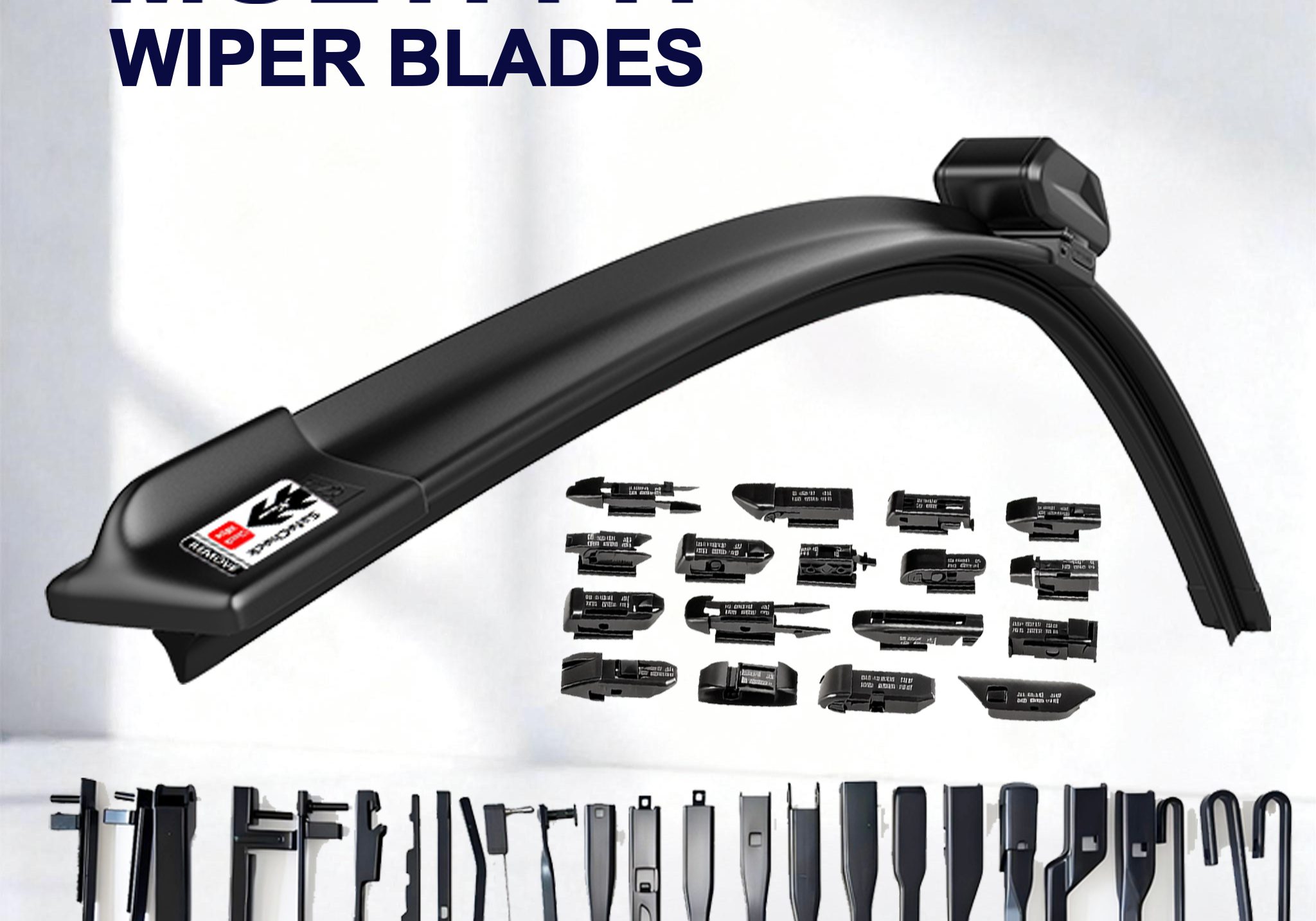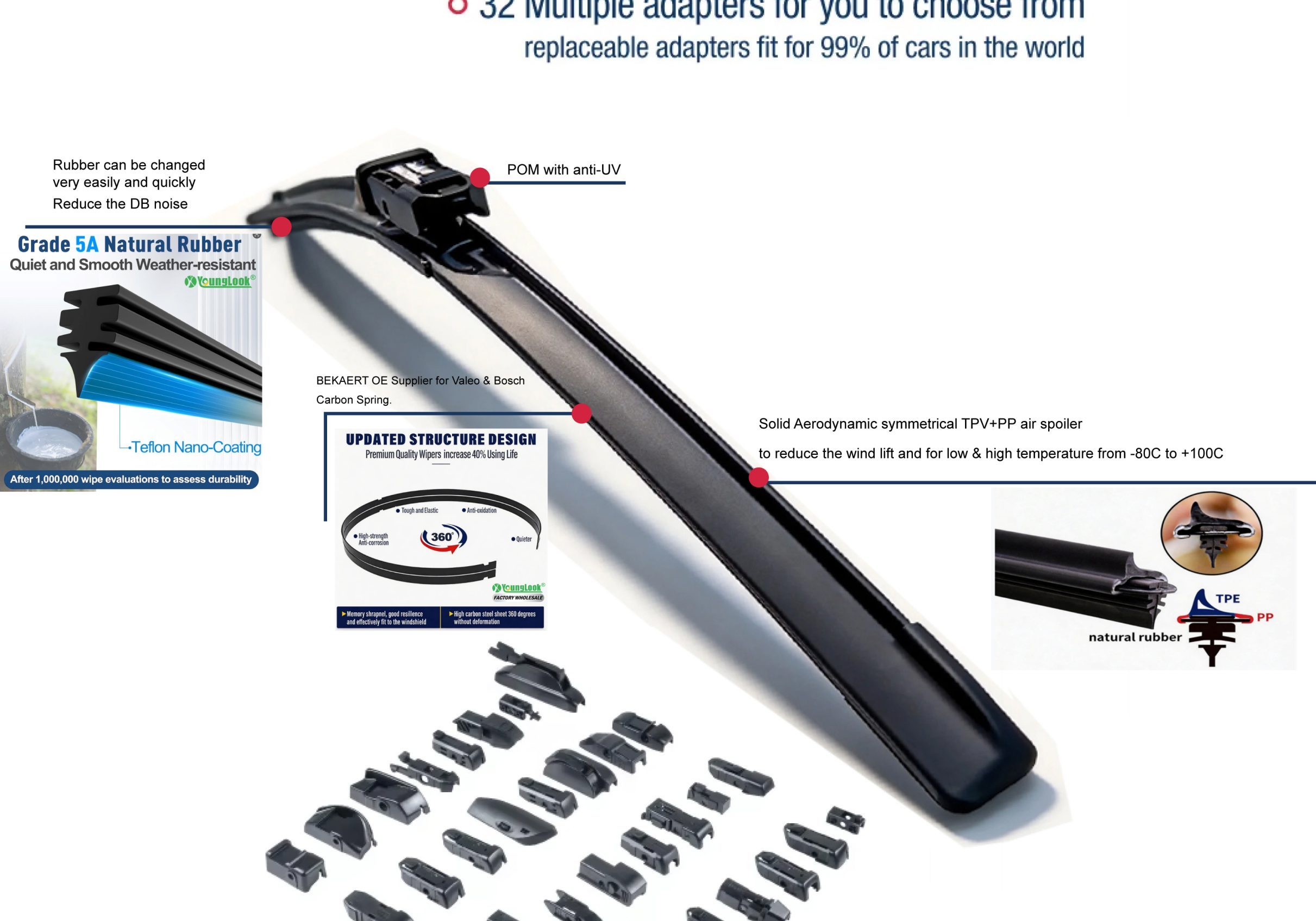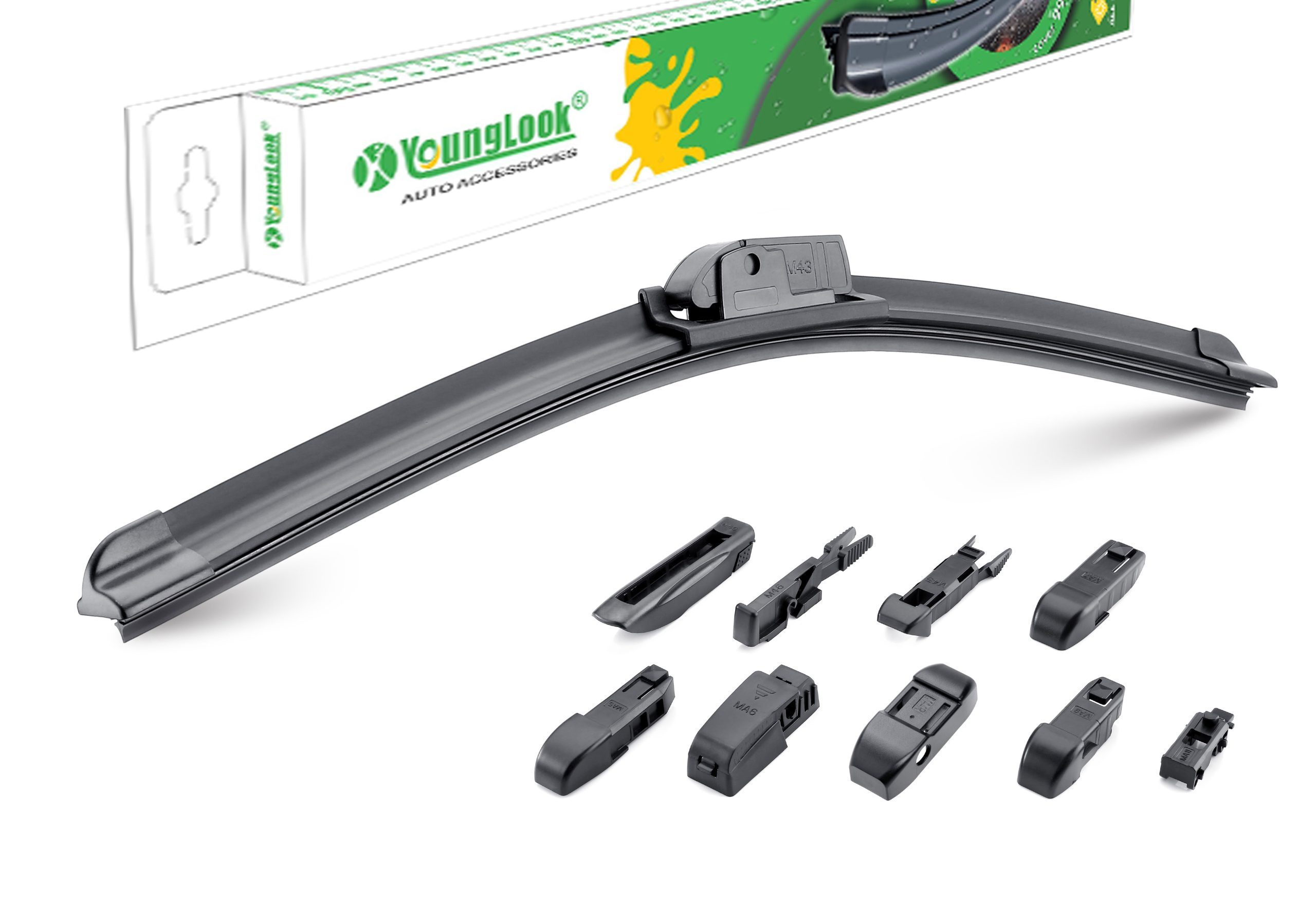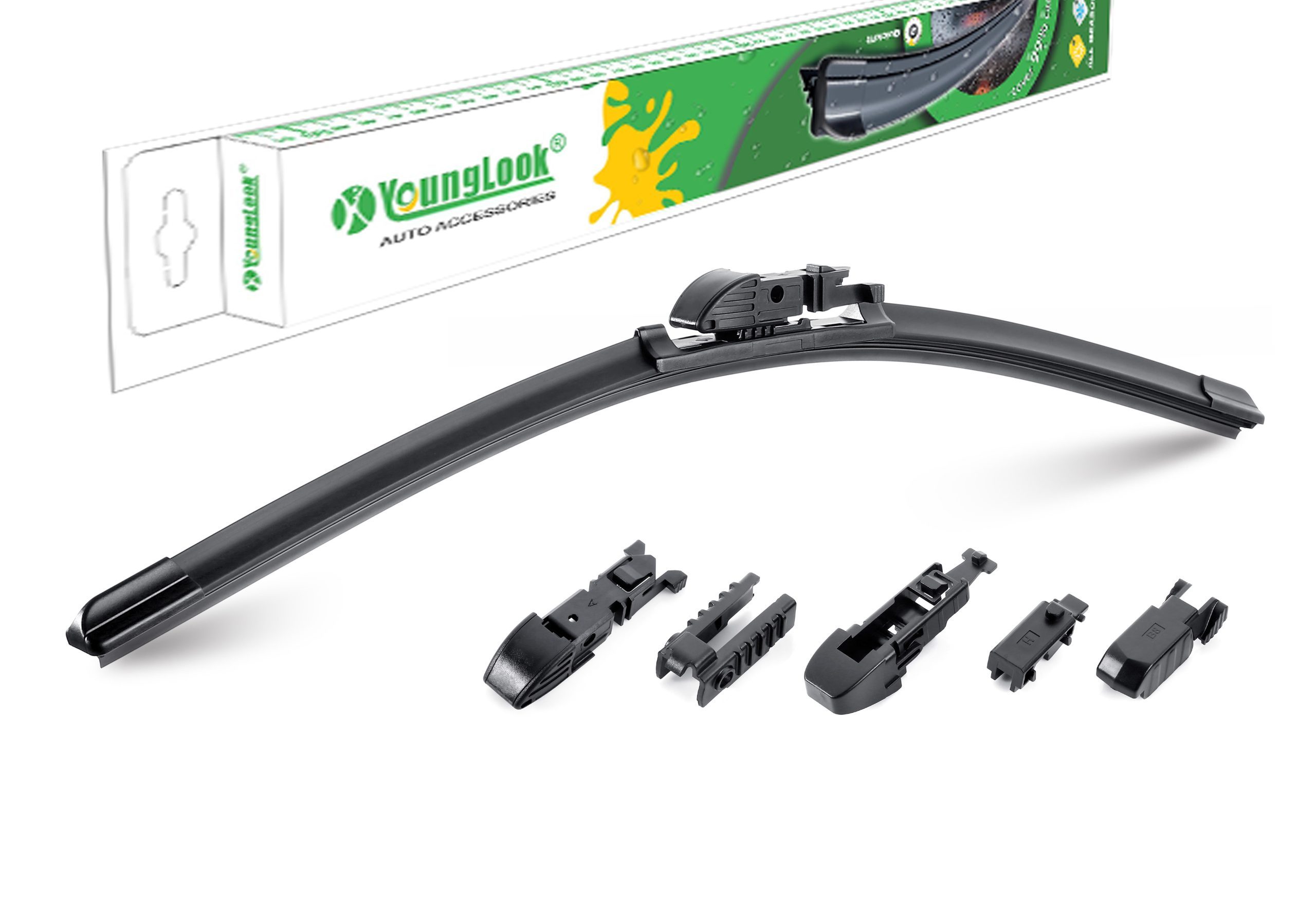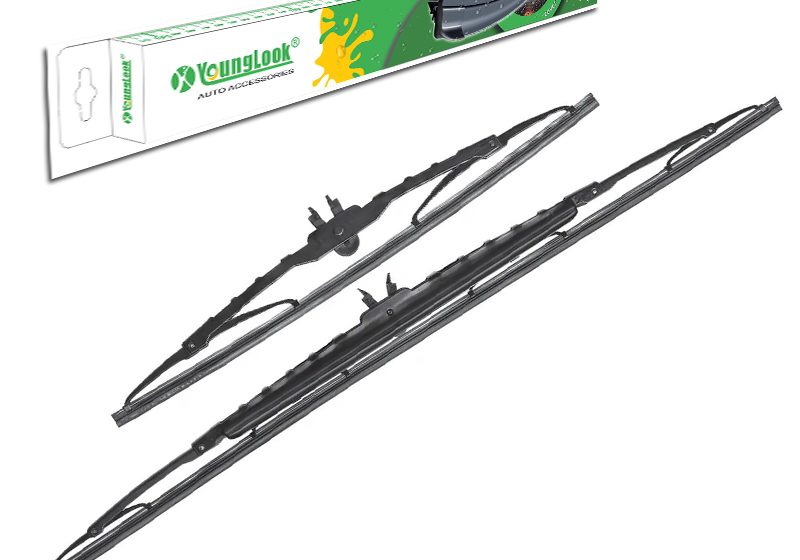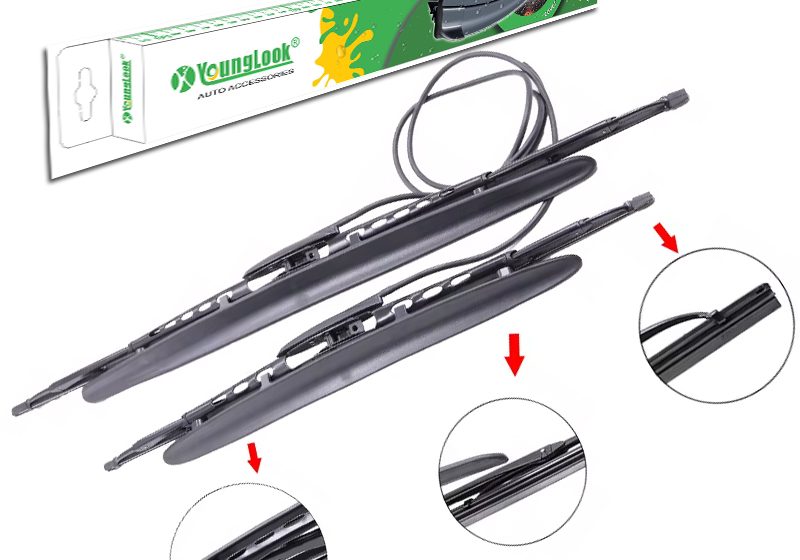
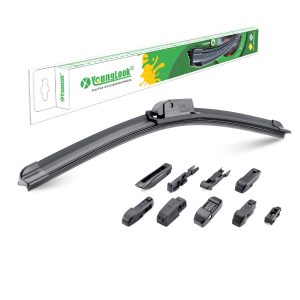
Historically, standard natural rubber was the go-to material utilized for wiper blade elements. It’s flexible, reasonably durable.
Silicone wiper blades don’t handle fluctuating conditions well and even the best silicone wiper will tend to wear out fast compared to organic rubber.
Plus silicone rubber is known to smear and leave haze across your windscreen.
So it’s safe to say you’re better off with rubber windshield wiper blades over silicone.
If you want to know the answer to this question, you must first understand the essential difference between them.
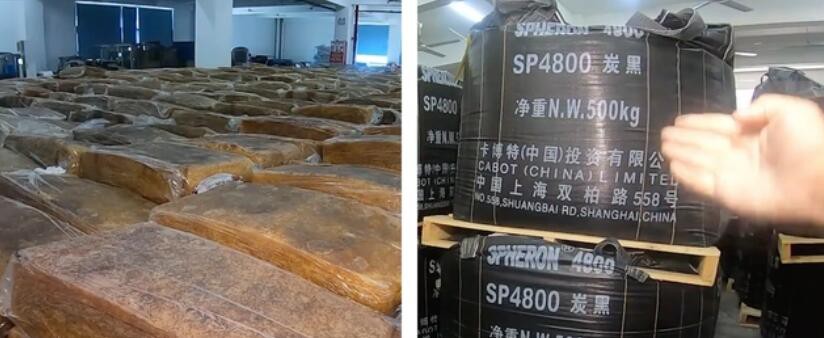
The biggest difference is that the Wiper Blade Refills material is different. The most common rubber wiper adhesives are mainly used for natural rubber and charcoal black. We have introduced the production process of the rubber strip.
Silicone Wiper Refills, its main material is added with modified silicone, but the production process is similar to the rubber rainwater. However, the added silicone ingredients will continue to form a layer of silicon oil film in the work of Wiper Blades. Make rainwater unable to stay directly forming water droplets to slide away
why is Silicone Wiper Blades more expensive than Rubber Wiper Blades?
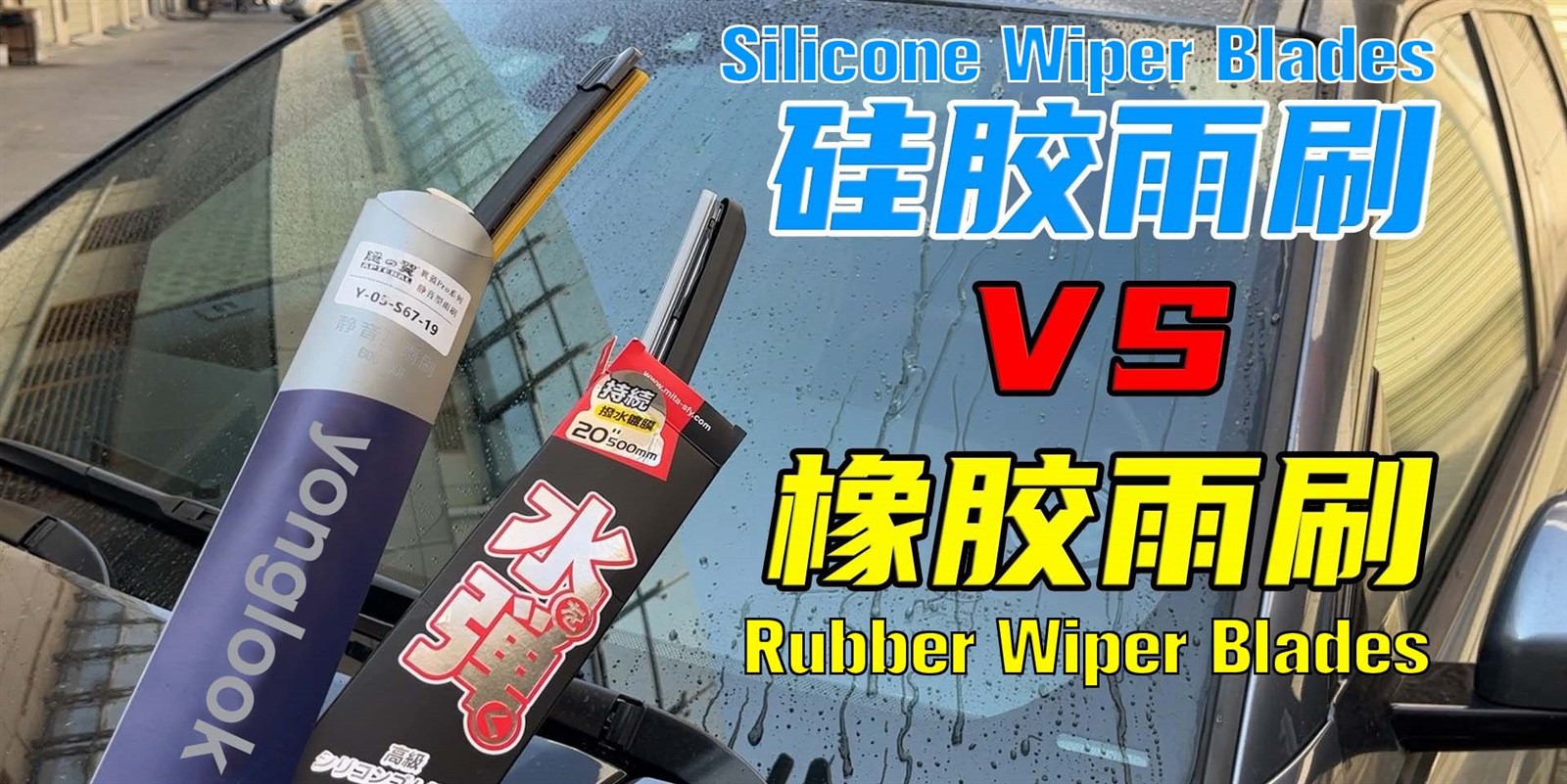
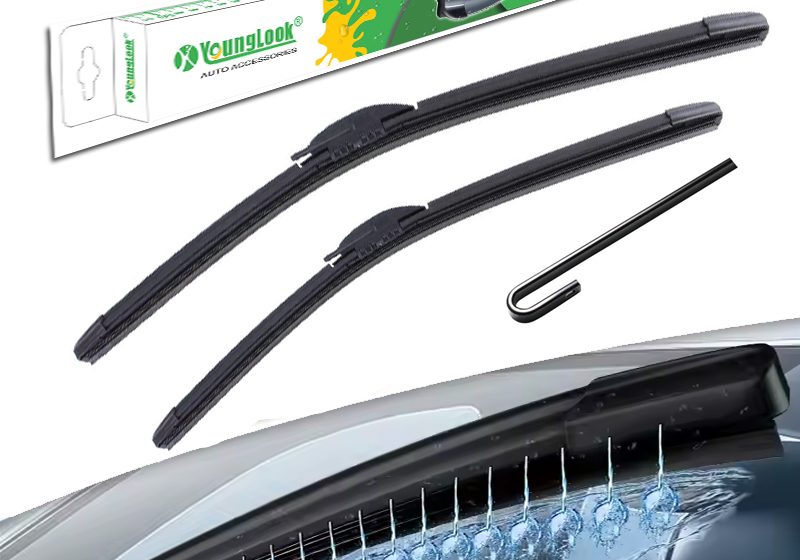
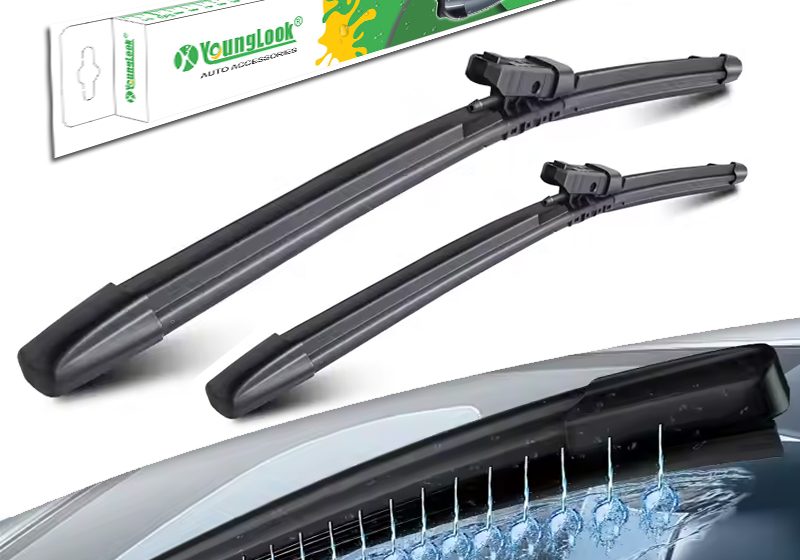
For example, the Wiper Blades on the right in the figure above uses the modified Silicone Wiper Blades from Japan. The price of one pair is about $ 45. The price we bought from the Chinese market.
On the left, a pair of ordinary Younglook rubber wiper was only about $ 4.5 a pair, which was 10 times different from Silicone Wiper Blades.
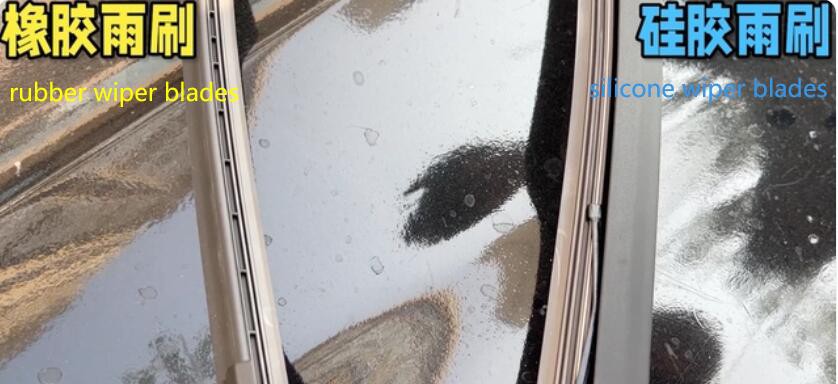
Because compared with natural rubber, silicone Refills is better heat-resistant and cold-resistant. For example, Younglook Wiper Blades Refills is already a very good product in Rubber Wiper Blades. Its natural rubber strip can withstand -40 degrees Celsius at low temperature. 100 degrees Celsius does not deform. It is not a problem to use 90%of the world’s places, but if the extreme situation of less than -40 degrees Celsius occurs, the problem of frozen rubber strips may occur.
However, the silicone Refills will not. Its maximum temperature can withstand 200 degrees Celsius, and the minimum can withstand -50 degrees Celsius without deformation. Therefore, there is no difference in daily environment, but silicone is more suitable for extreme environments than rubber.
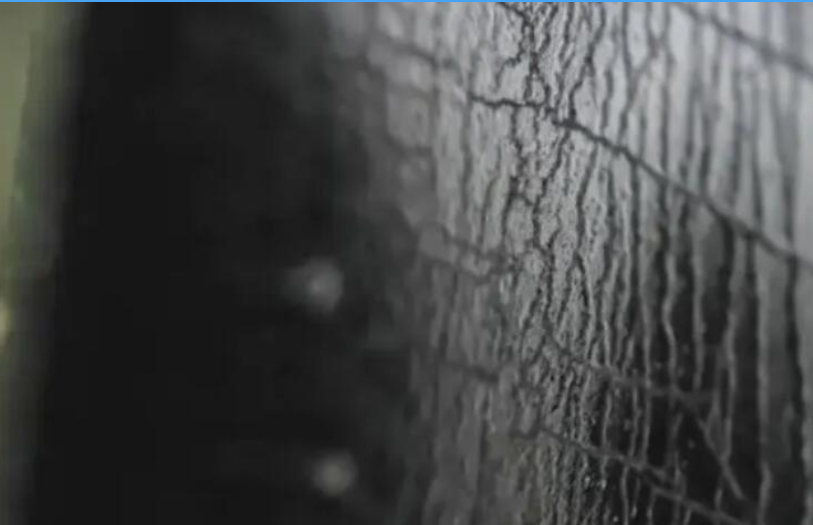
Silicone Refill has a long service life, because Rubber Refill has been cracked under the time of ultraviolet rays and continuous contact with the oxygen in the air, and the angle between Rubber Refill and glass will become more and more crooked, which will lead to each. Planting Wiper Blades jumping, abnormal noise, and not cleaning, this is why the ordinary wiper needs to be replaced once a year.
But the silicone wiper does not, it can hardly crack, so it can be used for a long time.
Does Rubber Wiper Blades have advantages?
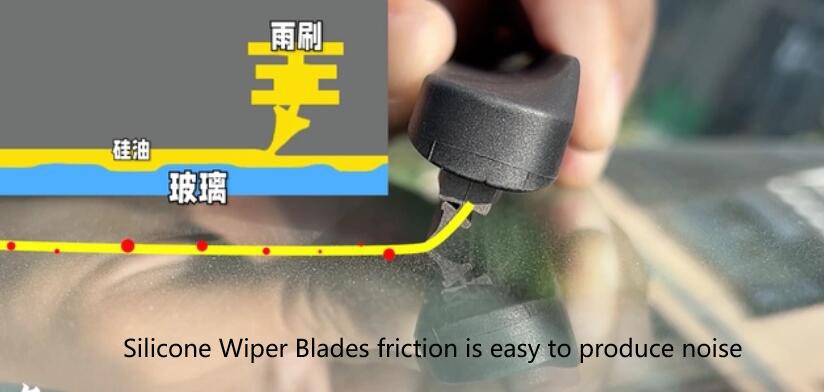
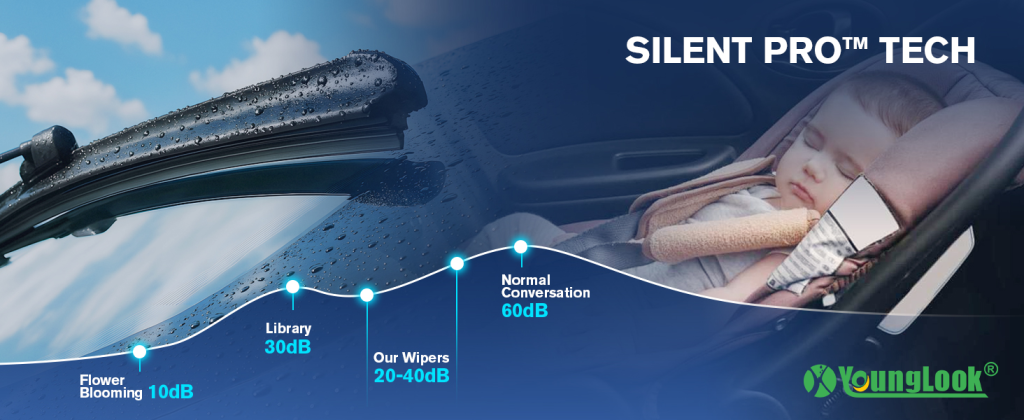
The rubber wiper is more silent than the silicone wiper, because the silicone wiper must be added to the silicone strip because of the coating effect. The friction force is greater than rubber, so as long as the silicone wiper is slightly unclean, it is easy to produce frictional sounds. I believe that those who have used a silicone wiper must have experience.
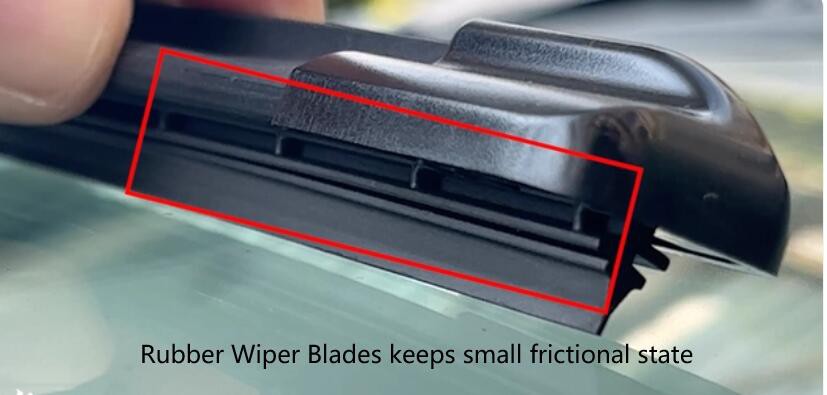
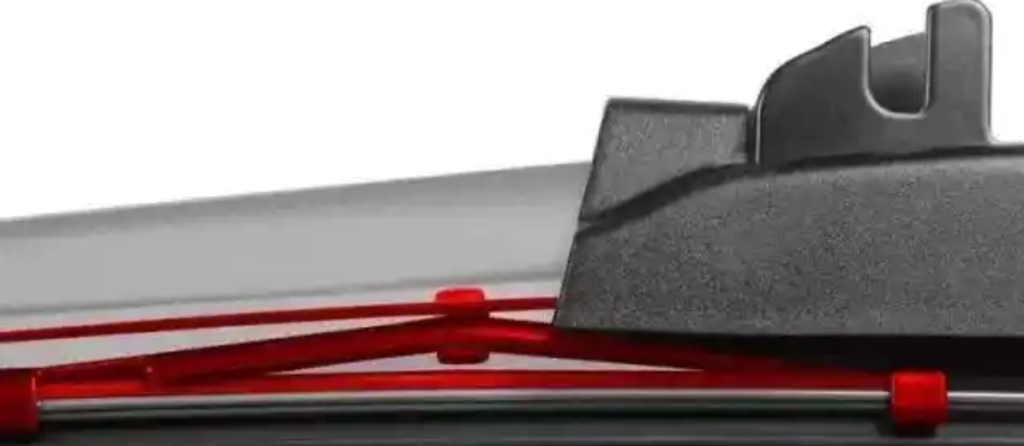
However, the relatively hard Rubber Wiper Blades will be much better. For example, the quiet patent technology Wiper Blades of Younglook uses a patented support buffer design to keep the angle of Rubber and glass, maintain small friction for a longer time. Status, so that the wiper work is smoother, and it also avoids excess noise.
But in general, the fundamental reason why Silicone Wiper Blades is more expensive than Rubber Wiper Blades is that there are very few silicone in the process of wiper production.
As a wiper production factory, we compare the cost, lifespan, noise, and oil film issues of natural rubber and silicone wipers using measured data. And attach authoritative purchasing decision guidelines and maintenance techniques.
How to choose wiper blades based on usage scenarios?
Step 1 – What matters most to you?
→ Dead‑silent operation + streak‑free wiping + best value
➤ Choose premium rubber blades (e.g., our Younglook series)
→ Don’t want to replace every year + can accept light oil film and occasional noise
➤ Choose high‑quality silicone blades
Step 2 – Where do you live?
→ Winter below -35°C for more than 30 days
➤ Both work – just remember to lift rubber blades off the glass when parked
→ Year‑round intense sun & heat (e.g., Southern US, Middle East)
➤ Silicone has a clear edge in UV resistance and long‑term aging performance
Step 3 – How much extra are you willing to pay for “long life”?
→ 10x price difference ($4.5 vs. $45) feels worth it
➤ Go silicone
→ Prefer to spend $4.5 per year and replace annually
➤ Stick with rubber
Regardless of the material, whether the wiper arm pressure, hook interface type, and rubber strip curvature match the glass surface of your vehicle model, these factors have a greater impact on the actual effect than the material
Natural rubber vs. coated silicone – which one truly lasts longer?
When we talk about silicone blades here, we don’t just mean a plain silicone strip. We mean blades with an integral lubrication layer – a coating that releases silicone oil as the blade moves across the glass. That oil transfers onto the windshield, creating a hydrophobic film that makes rain bead up and roll off. That’s the so‑called “wiper‑activated coating” effect.
But is the marketing claim – “one swipe, dry all day” – really reliable?
We took the lab onto real roads. Over seven days, we ran two head‑to‑head durability tests under actual driving conditions.
Here’s what we found.
1.Outdoor daytime test: After 7 days, ‘silicone’ falls out first
We installed both wiper blades on the same test vehicle – a car parked outdoors for the full duration. Over 7 consecutive days of real‑world use, the difference was clear to the naked eye.
The coated silicone blade left a visible film on the windshield – gradually turning grayish and hazy. That hydrophobic layer was actually becoming a light‑blocking residue.
In contrast, the natural rubber blade kept every inch of the glass crystal clear – with no streaking, no hazing, and consistent contact patch performance.

When we removed both wiper strips for a closer look, the damage became obvious.
On the silicone blade, most of the silicone oil had already been broken down by UV exposure – the once‑smooth hydrophobic coating was now covered in visible scratches and mottled patches.
The result? When it rained, the blade still left everything smeared – no different from a worn‑out rubber blade.
Night sensory test: The difference in clarity is visible to the naked eye
Natural rubber: nearly zero residue on the glass – fog / haze disappearance time < 1 second.

Coated silicone: even after continuous wiping, a light gray hazy film remains. Visibility drops noticeably, and the driver needs an extra 0.5–1 second to refocus.

-
At highway speeds, 0.5 second is enough for an adjacent car to move into your blind spot.
-
On city streets, 1 second can make a pedestrian effectively disappear.
Bottom line – for safety, natural rubber wins.
Ultimate answer to common questions about wiper blades (FAQ)
Q: My car came with factory rubber wiper blades, but after just six months they start streaking and chattering. Is rubber really that bad?
A: Not at all – the issue is standard rubber aging faster than it should. Our natural rubber compound includes anti-UV agents and antioxidants (like Younglook’s patented technology mentioned above) that slow down hardening and cracking. Still, due to sun, ozone, and road grit, we recommend replacing rubber wiper refills once a year. That’s actually rubber sacrificing itself to protect your windshield – if the blade were so hard that it never wore down, your glass would take the damage instead.
Q: Some say silicone blades can “coat” the glass, making rain bead up and roll off. Isn’t that a good thing?
A: That silicone oil film is a double‑edged sword. Short‑term water beading looks nice, but long‑term you’ll face three problems:
① The film attracts dust and oily grime, causing severe glare from oncoming headlights at night.
② Silicone oil migrates into microscopic pores in the glass – even if you switch back to rubber later, you may get wiper judder.
③ That film needs constant replenishment; once the silicone strip wears unevenly, you’ll see rainbow smears where the coating isn’t applied evenly. We recommend using a dedicated glass sealant periodically instead of relying on wiper blades to “coat” your windshield.
Q: In winter at -30°C, aren’t silicone blades better?
A: In theory, silicone has better low‑temperature flexibility. But in real driving at -30°C, the real problem isn’t the blade material – it’s ice buildup on the wiper arm or the blade freezing to the glass. Our rubber blades use a special low‑temperature plasticizer (staying elastic down to -40°C). Combined with lifting the blades off the glass when parked, they handle most extreme cold. For truly arctic regions (e.g., parts of Canada, Alaska, Siberia), we do recommend silicone winter blades, but you should accept possible noise (chattering) and the oil‑film issues mentioned above.
Q: Why do major automakers like Mercedes‑Benz and BMW still fit rubber blades as standard on most models?
A: OEMs choose components after brutal durability and NVH (Noise, Vibration, Harshness) testing. Rubber still offers the best overall balance of wet coefficient of friction, acoustic performance (quiet operation), and cost. Silicone can last longer, but to avoid judder it requires extremely high‑precision molds and surface finishing – which drives up cost dramatically, and batch‑to‑batch noise consistency is hard to guarantee. For a global vehicle that must work in every climate without customer complaints, rubber remains the safer, proven choice.
Wiper blade maintenance and fault self inspection guide
New wipers still streaking?
90% of the time, the real culprit is iron particles, oil film, or silicone residue left by old blades on the glass.
→ Recommended solution: use a glass oil remover / windshield decontaminator
Wiper judder – what to do?
-
Check if the wiper arm spring tension has weakened over time.
-
Wipe the wiper blade edge with a cloth dipped in isopropyl alcohol to remove built‑up grime.
-
For silicone blades, try applying a small amount of water‑based lubricant to the glass (never use oil‑based products – they make judder worse).
How to make rubber wipers last a full year
-
At every car wash: wipe the blade edge with a damp cloth.
-
Before summer heat: lift the wipers off the glass to avoid UV‑induced hardening.
-
In winter after ice/snow: never force the wipers – manually de‑ice the windshield first.
When must you replace your wipers?
① Continuous water lines left on the glass – especially if wider than 5mm.
② Rhythmic chattering / squeaking that doesn’t go away after cleaning the glass.
③ Visible nicks or hardening / whitening on the wiper blade edge.