Choosing the best windshield wiper blades for 2026 is more complicated than simply buying the most expensive brand.
A good windshield wiper blade needs to clear rain quickly, maintain consistent contact with the windshield, operate quietly and remain durable in changing weather conditions. The right choice also depends on your vehicle, windshield shape, climate, driving habits and budget.
Today, drivers can choose from several major types of windshield wiper blades, including beam wiper blades, hybrid wiper blades, conventional frame wipers, rubber wiper blades and silicone wiper blades.
Premium brands such as Bosch have established a strong reputation in the automotive aftermarket, but are expensive wiper blades really worth the extra money? And is silicone actually better than rubber?
In this guide, we compare the most important factors when choosing the best windshield wiper blades, explain the cost-versus-value question, compare rubber and silicone wiping materials, and show you what to look for before buying your next set of windshield wipers.
1. What Makes the Best Windshield Wiper Blades in 2026?
The best windshield wiper blades should provide more than basic water removal.
A high-quality wiper blade should deliver:
- Excellent water-clearing performance
- Consistent windshield contact
- Minimal streaking and smearing
- Low noise and vibration
- Strong performance at highway speeds
- Durable rubber or silicone wiping edges
- Good UV and ozone resistance
- Reliable performance in hot and cold weather
- Secure vehicle-specific fitment
- Easy installation
- Good value over the entire service life
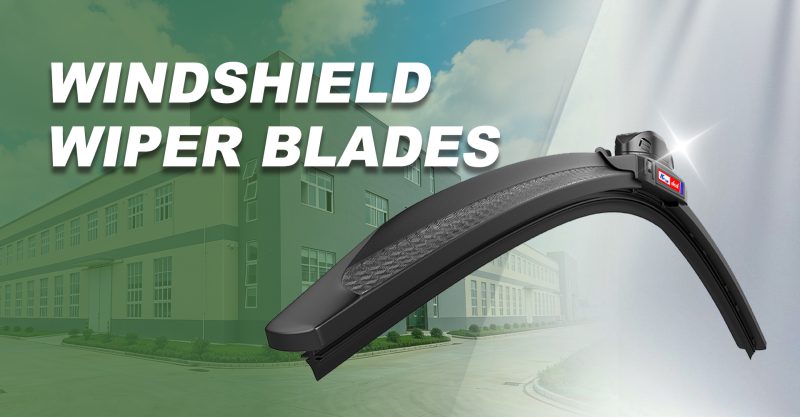
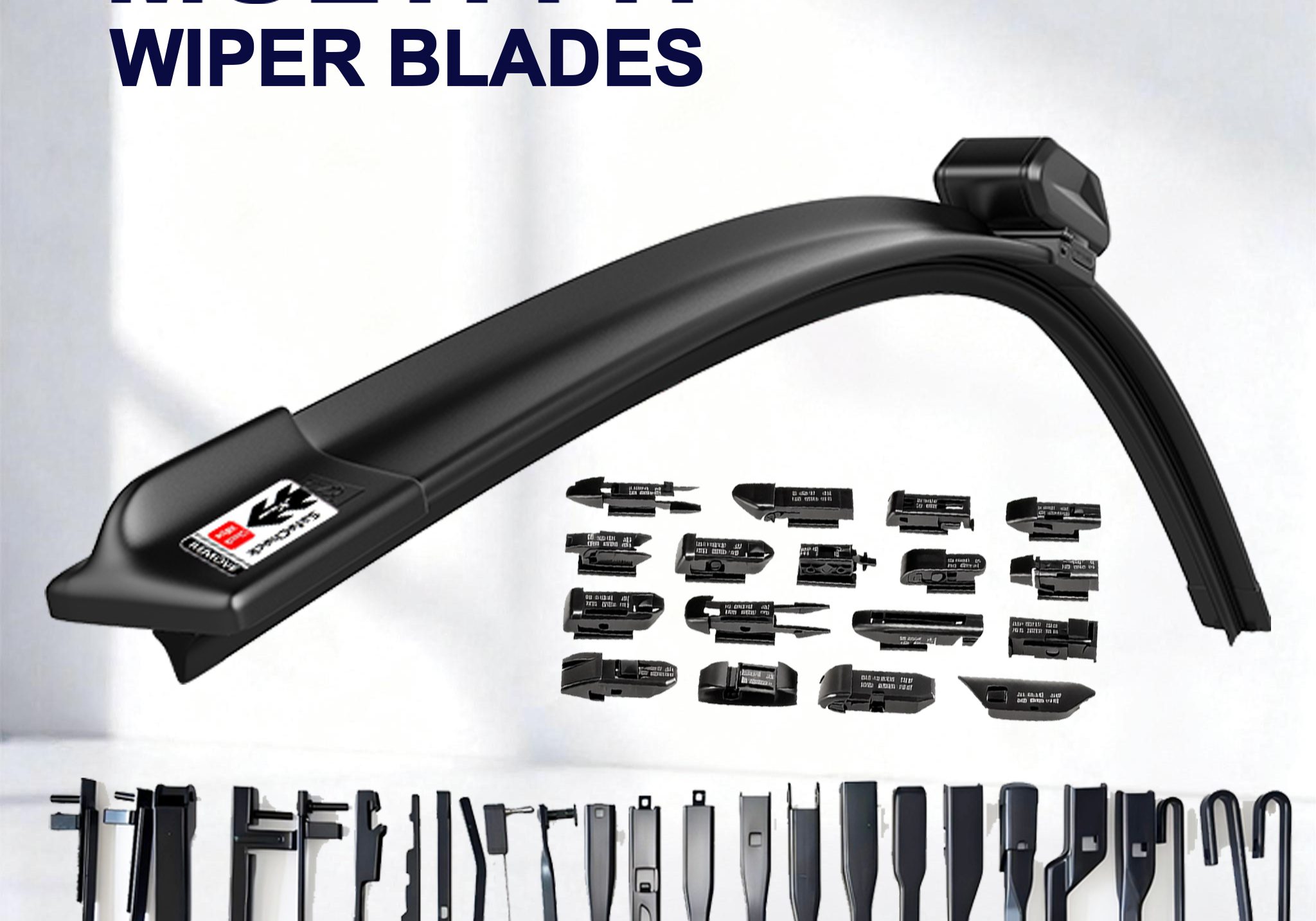
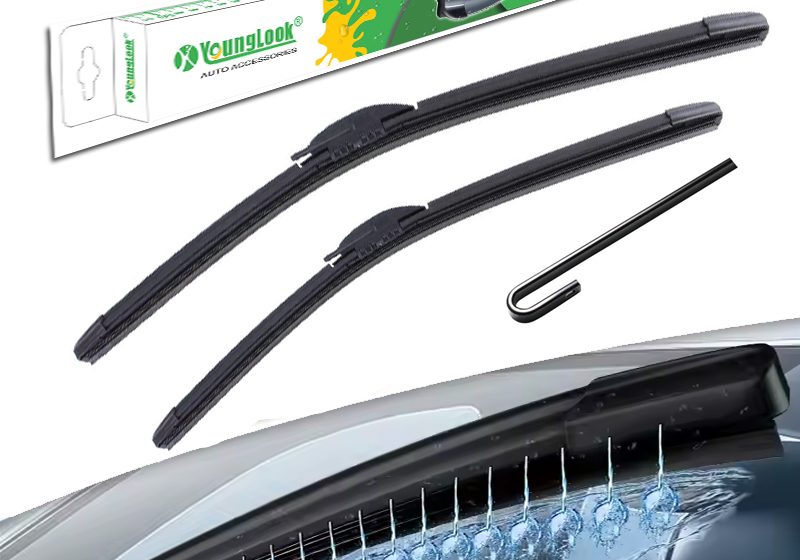
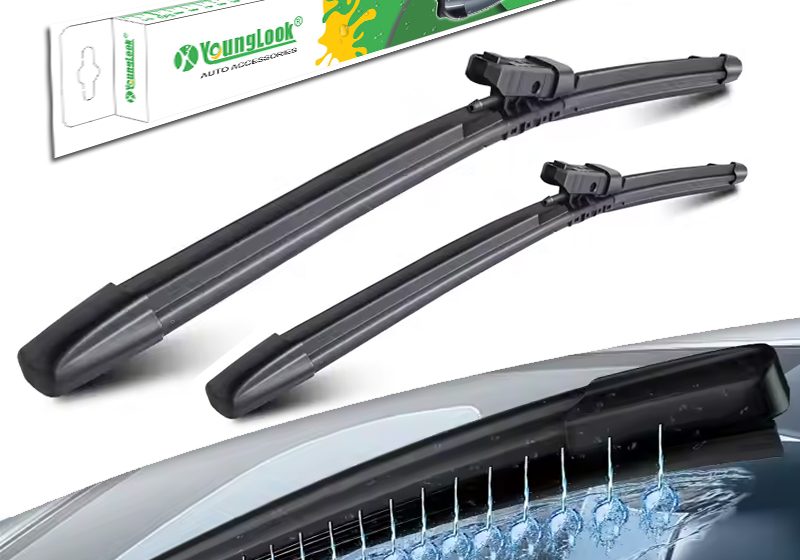
For many modern vehicles, beam windshield wipers have become a popular choice because their flexible structure can follow the curvature of modern windshields.
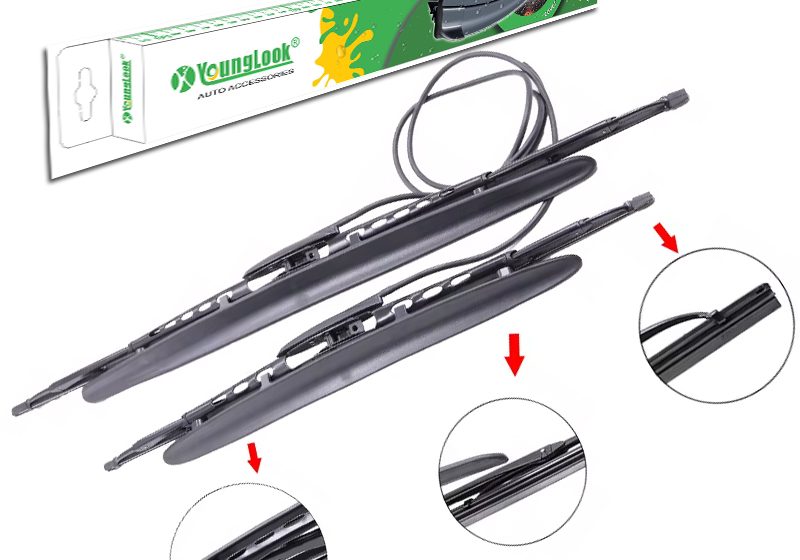
Hybrid wiper blades combine features of beam and conventional wipers and can provide a good balance of aerodynamic performance, pressure distribution and protection.
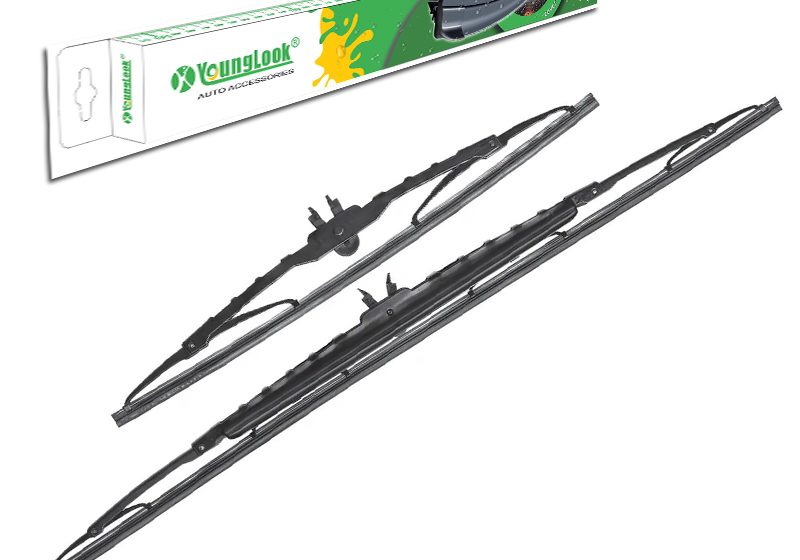
Traditional conventional frame wiper blades remain an affordable and practical solution for many older vehicles.
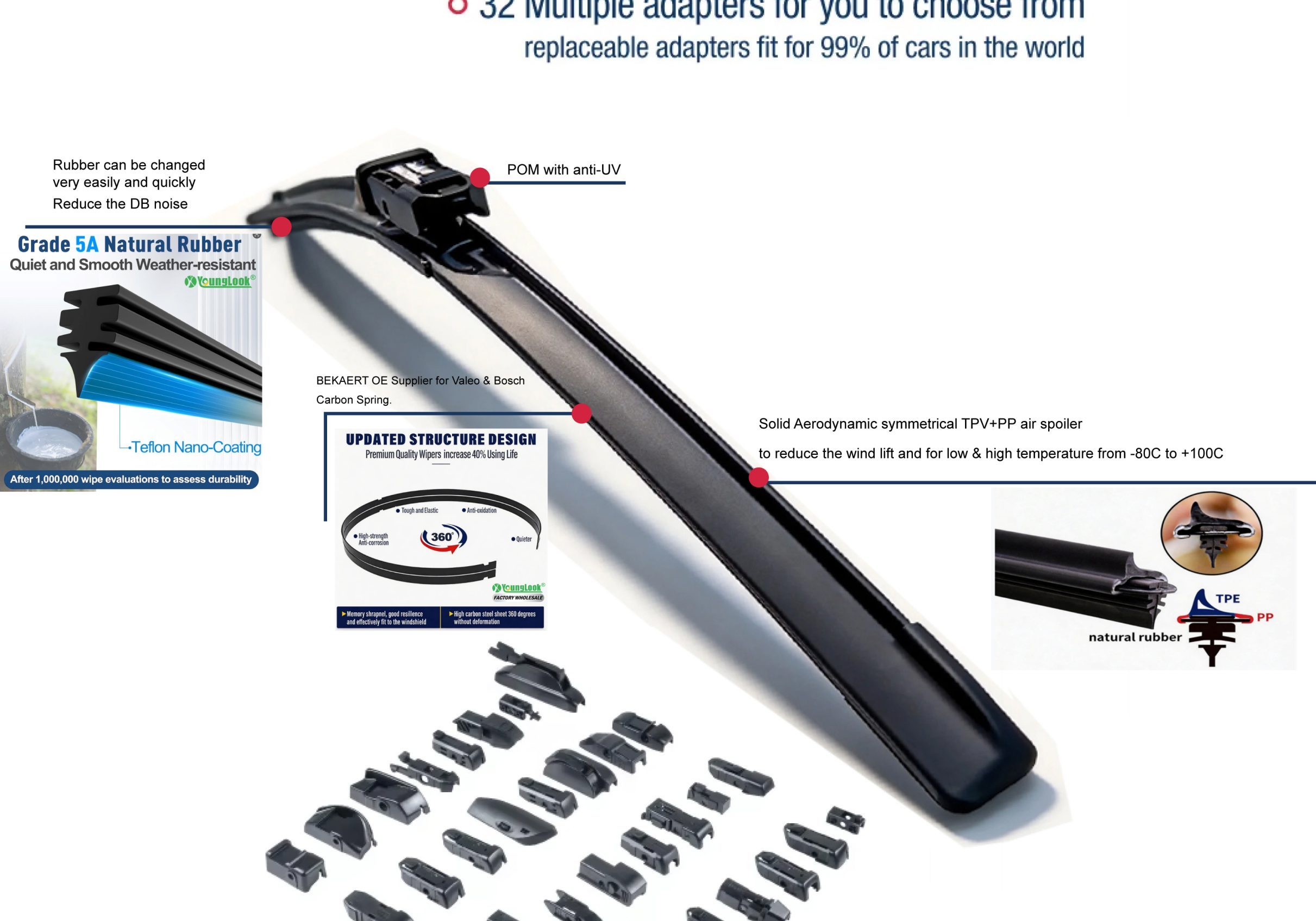
The wiping material is equally important. The quality of the rubber compound, wiping edge, surface treatment and manufacturing precision can significantly affect the final wiping performance.
Our recommended wiper categories for 2026
| Wiper Blade Type | Best For | Key Advantage |
|---|---|---|
| Beam Wiper Blades | Modern vehicles | Excellent windshield conformity |
| Hybrid Wiper Blades | All-around use | Performance + protective structure |
| Conventional Wipers | Budget replacement | Affordable and widely compatible |
| Silicone Wiper Blades | Durability-focused drivers | Strong environmental resistance |
| Premium Rubber Wipers | Daily driving | Excellent performance-to-price ratio |
| Winter Wipers | Snow and freezing weather | Better protection in winter conditions |
There is no single “best wiper blade” for every driver. The best choice is the blade that matches your vehicle, climate, windshield and driving conditions.
2. Beam vs. Hybrid vs. Conventional Wiper Blades
Understanding the different types of windshield wiper blades is the first step toward choosing the right product.
Beam Wiper Blades
Beam wiper blades use a flexible structure rather than the multiple pressure points found in traditional frame wipers.
Their main advantages include:
- More uniform pressure distribution
- Better conformity to curved windshields
- Improved high-speed stability
- Modern aerodynamic design
- Reduced exposed metal components
For many newer vehicles, a quality beam wiper blade is an excellent all-around choice.
Hybrid Wiper Blades
Hybrid windshield wipers combine a flexible beam-style structure with a protective frame or aerodynamic shell.
This design can provide:
Beam-style windshield contact + aerodynamic performance + additional protection.
High-quality hybrid wiper blades are particularly attractive to drivers who want premium performance without choosing a fully exposed beam design.
Conventional Frame Wipers
Conventional wiper blades use a metal or composite frame with several pressure points.
They remain popular because they are:
- Cost-effective
- Widely available
- Easy to install
- Suitable for many older vehicles
- Available in many sizes and connector configurations
However, a conventional wiper may not conform as evenly to highly curved windshields as a well-designed beam wiper.
For this reason, beam and hybrid wiper blades are increasingly common in modern automotive applications.
3. Are Bosch Wiper Blades Worth the Extra Money? Cost . Value
Bosch is one of the best-known names in the windshield wiper market.
Its Bosch ICON series is positioned as a premium beam-style wiper blade. Bosch states that ICON uses ClearMax 365™ synthetic rubber technology and an aerodynamic design intended to improve wiping performance and durability.
Independent automotive testing has also rated Bosch ICON highly. MotorTrend’s 2026 testing named Bosch ICON its best overall wiper blade in its comparison.
So, are Bosch wiper blades worth the extra money?
For many drivers, the answer can be yes—but premium pricing does not automatically mean better value for every vehicle.
The additional cost of a premium windshield wiper can reflect:
Advanced rubber technology
The wiping edge is one of the most important parts of a windshield wiper. Premium products often use specially formulated synthetic rubber designed for flexibility, durability and environmental resistance.
Better aerodynamic performance
At higher speeds, aerodynamic forces can reduce the contact between a wiper blade and windshield.
A well-designed beam or hybrid wiper can help maintain more consistent contact.
Better windshield conformity
Modern windshields can have complex curves. Beam wipers are designed to distribute pressure across the wiping element more evenly.
Potentially longer service life
A more expensive wiper may provide better value if it maintains good wiping performance for a longer period.
For example, comparing a $12 wiper replaced twice a year with a $22 wiper that maintains good performance for a year produces a very different cost calculation.
Therefore, consumers should compare cost per month or cost per year, not only the initial purchase price.
Our conclusion: Bosch ICON is an excellent premium benchmark, but a high-quality aftermarket beam or hybrid wiper can also provide strong performance at a more competitive price.

4. Other Wiper Blades We’ve Tested and Evaluated
Instead of comparing windshield wipers only by brand, it is useful to evaluate the technologies and components behind them.
Our product evaluation focuses on major aftermarket categories, including beam wiper blades, hybrid wipers, conventional wipers, natural rubber blades, synthetic rubber blades and silicone wipers.
Premium Beam Wipers
Beam windshield wipers are particularly suitable for modern vehicles with curved windshields.
They can provide:
- Uniform pressure
- Good aerodynamic performance
- Smooth wiping
- Modern styling
- Good high-speed stability
Hybrid Wipers
Hybrid wiper blades are designed for drivers looking for a balance between performance, protection and value.
They can be a particularly good option for SUVs, sedans and other vehicles exposed to varied weather conditions.
Conventional Wipers
Conventional frame wipers remain useful for price-sensitive applications and vehicles designed around traditional wiper systems.
They are also widely used in the global aftermarket because of their broad compatibility.
Silicone Wipers
Silicone wiper blades are often positioned as a premium alternative to traditional rubber wipers.
They can offer excellent resistance to environmental factors and may be suitable for drivers who prioritize long-term durability.
However, material alone does not determine wiping performance.
A well-designed rubber wiper blade can outperform a poorly engineered silicone blade.
5. How We Tested Wiper Blades
A meaningful windshield wiper comparison should evaluate the complete wiper system rather than simply checking whether a new blade looks good.
When evaluating wiper blade performance, we focus on several key factors.
Water Removal
The most important function of any windshield wiper is to remove water effectively.
We evaluate:
- Overall wiping coverage
- Remaining water film
- Streaking
- Consistency across the blade
- Edge contact with the windshield
Streaking and Smearing
Streaks and smears can significantly reduce visibility, especially when driving at night.
A high-quality wiping edge should maintain consistent contact with the windshield without leaving excessive water behind.
Noise and Chatter
Squeaking, skipping and chatter can indicate problems with the wiping edge, windshield contamination, blade pressure or blade aging.
A well-designed windshield wiper should move smoothly across clean glass.
High-Speed Performance
High-speed driving increases aerodynamic forces on a wiper blade.
Beam and hybrid wiper designs can provide advantages because their aerodynamic structures are designed to maintain contact with the windshield.
Rubber Durability
We also consider:
- UV resistance
- Ozone resistance
- Temperature resistance
- Edge wear
- Rubber hardening
- Cracking
- Long-term flexibility
Fitment and Installation
Even the best windshield wiper blade cannot perform properly if it is the wrong size or uses an incompatible connector.
Before purchasing, always confirm:
- Wiper blade length
- Driver-side and passenger-side size
- Wiper arm type
- Adapter compatibility
- Vehicle-specific fitment
6. Are Expensive Wiper Blades Worth It?
The answer depends on how and where you drive.
A $25 premium windshield wiper is not automatically twice as good as a $12 aftermarket wiper.
However, premium wiper blades can offer meaningful benefits in demanding conditions.
Premium wipers may be worth the money if you:
- Drive frequently in heavy rain
- Drive long distances
- Frequently drive at highway speeds
- Live in a hot or sunny climate
- Experience snow or freezing temperatures
- Drive at night regularly
- Want longer-lasting performance
- Prefer premium automotive products
A budget wiper may be enough if you:
- Drive relatively little
- Live in a mild climate
- Replace wipers regularly
- Have an older vehicle
- Mainly need a low-cost replacement
The better question is not:
“Is the expensive wiper better?”
Instead ask:
“Does the additional cost provide enough additional performance and durability for my driving conditions?”
That is the real meaning of value.
For distributors and automotive retailers, the equation is even more important. A successful aftermarket windshield wiper needs to balance product quality, manufacturing cost, packaging, fitment coverage and retail price.
7. Rubber vs. Silicone Wiper Blades: Which Is Better?
One of the most common questions when choosing windshield wiper blades is rubber vs. silicone: which is better?
There is no universal winner.
Rubber Wiper Blades
Rubber remains the most widely used material for windshield wiper blades.
Modern natural and synthetic rubber compounds can be engineered for:
- Flexibility
- Low-temperature performance
- Abrasion resistance
- UV resistance
- Ozone resistance
- Quiet wiping
- Long service life
High-quality rubber can provide an excellent balance between performance and cost.
Silicone Wiper Blades
Silicone wiper blades are generally positioned as a premium alternative.
Silicone can provide strong resistance to environmental exposure and maintain flexibility under demanding conditions.
This makes silicone windshield wipers particularly interesting for applications involving:
- Strong sunlight
- High temperatures
- Heavy rainfall
- Frequent outdoor parking
- Long service intervals
However, silicone is not automatically better.
The final performance depends on the complete product design, including:
Material + wiping edge + coating + pressure distribution + spring structure + blade curvature + connector.
Rubber vs. Silicone Wiper Blades
| Feature | Rubber Wiper Blades | Silicone Wiper Blades |
|---|---|---|
| Initial Cost | Usually lower | Usually higher |
| Wiping Performance | Excellent with good formulation | Excellent with good formulation |
| UV Resistance | Good–Excellent | Excellent |
| Ozone Resistance | Depends on formulation | Generally strong |
| Durability | Good–Excellent | Potentially excellent |
| Quiet Operation | Excellent when well designed | Excellent when well designed |
| Value | Excellent | Strong for durability-focused users |
For most drivers, a high-quality rubber windshield wiper remains an excellent choice.
For customers prioritizing premium durability and environmental resistance, silicone wipers may justify the additional cost.
8. How to Choose the Best Windshield Wiper Blades for Your Car
Before purchasing new windshield wipers, check these factors.
Check the correct wiper blade size
Using the wrong wiper size can reduce windshield coverage and potentially cause interference.
Always verify the recommended driver-side and passenger-side wiper sizes.
Check the wiper arm connector
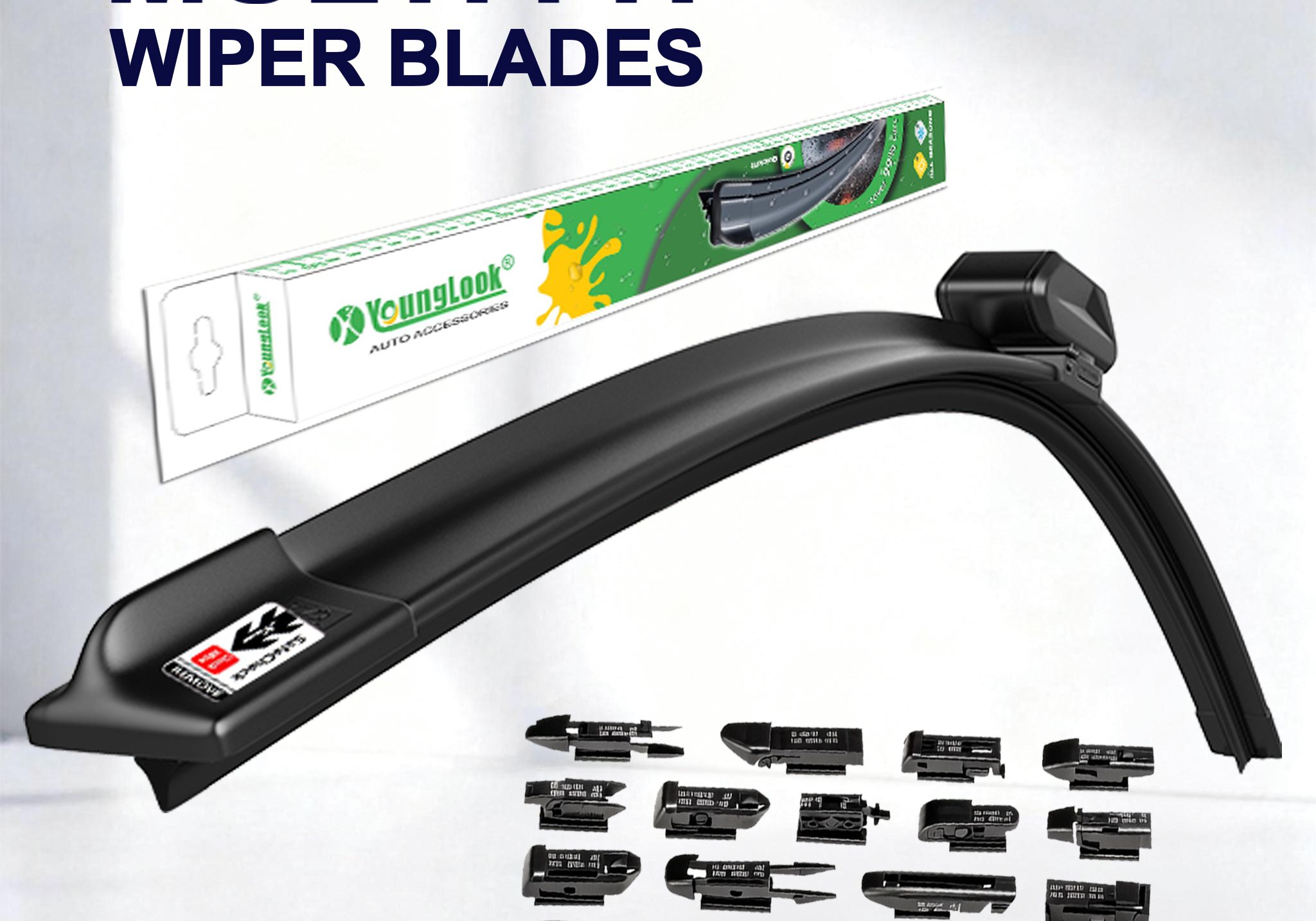
Common connectors include:
- U-hook
- J-hook
- Push button
- Side pin
- Pinch tab
- Top lock
- Bayonet
- Vehicle-specific connectors
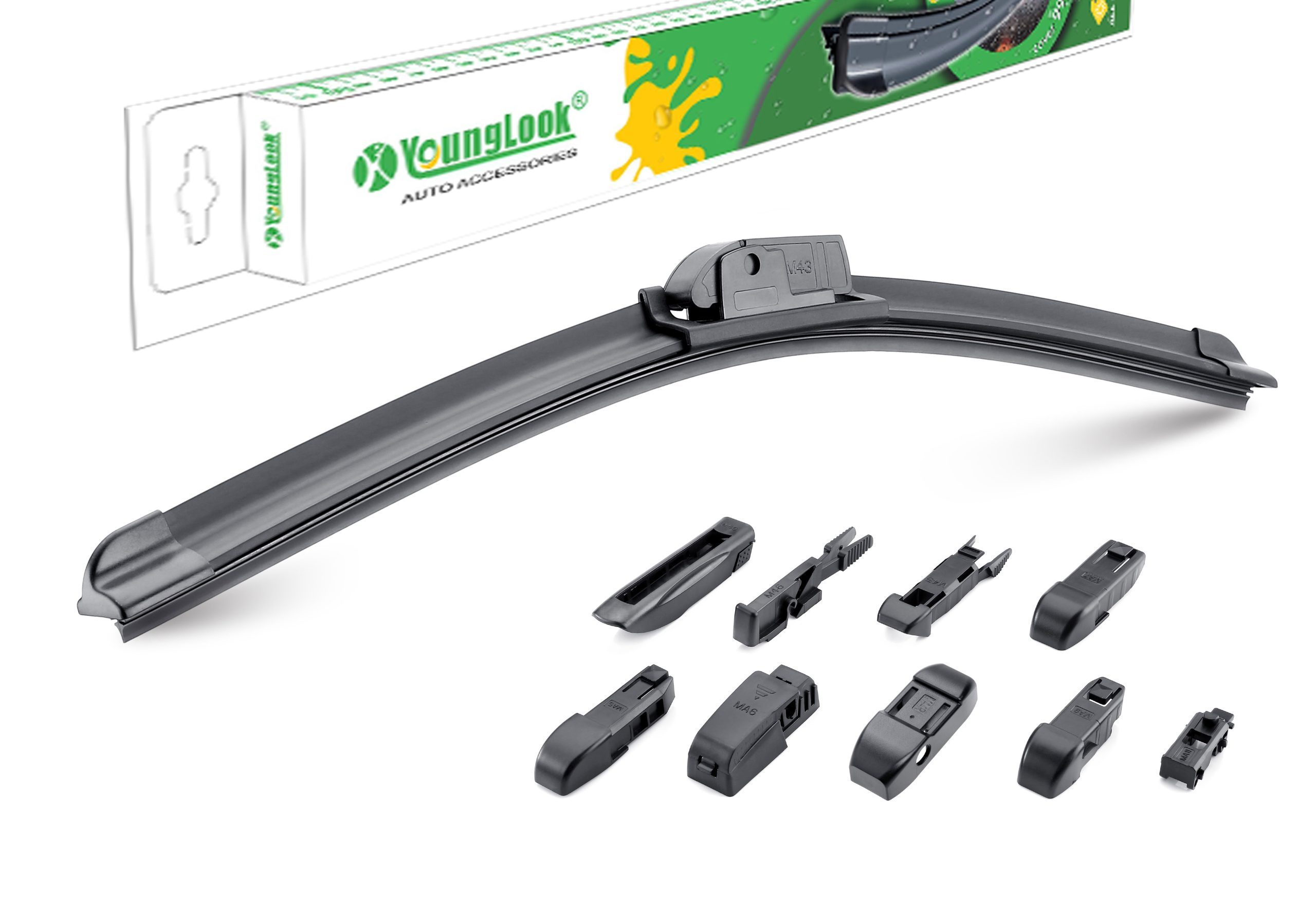
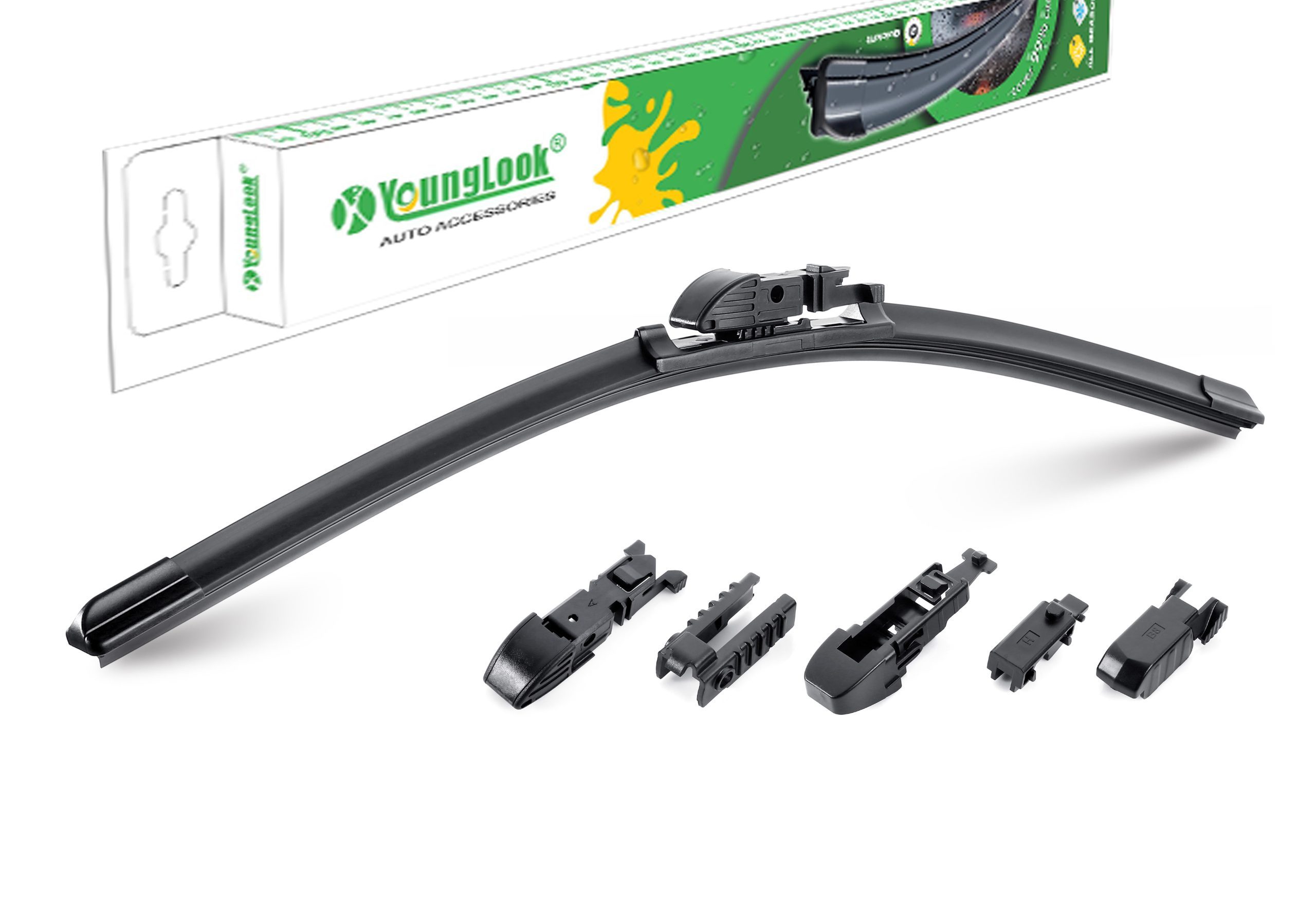
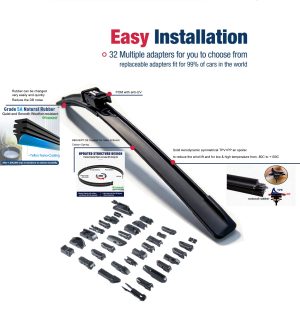
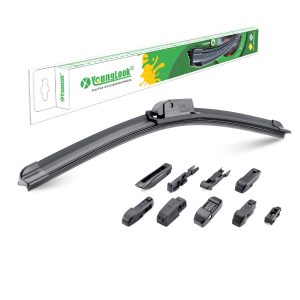
For automotive aftermarket applications, a well-designed universal wiper blade with multiple adapters can provide broad vehicle coverage.
Choose the right wiper blade type
For modern vehicles, consider:
Beam wiper blades for aerodynamic performance and windshield conformity.
Hybrid wiper blades for a balance of performance and protection.
Conventional frame wipers for cost-effective replacement.
Silicone wipers for customers prioritizing material durability.
Consider your climate
Climate has a major effect on wiper blade life.
Strong sunlight, heat, ozone, dirt, snow and ice can accelerate blade deterioration.
Therefore, drivers in Arizona, California, Florida, Canada or other demanding environments may have different wiper replacement requirements than drivers in mild climates.
Consider rubber quality
Don’t simply ask whether a wiper uses “rubber.”
Look for information about:
- Natural rubber
- Synthetic rubber
- Silicone rubber
- Graphite coating
- Teflon coating
- Ozone resistance
- UV resistance
- Precision-cut wiping edges
The quality of the formulation and manufacturing process can make a major difference.
9. When Should You Replace Windshield Wiper Blades?
Even the best windshield wiper blades eventually wear out.
Common warning signs include:
- Streaking
- Smearing
- Skipping
- Chattering
- Squeaking
- Uneven wiping
- Missed areas
- Cracked rubber
- Hardened wiping edges
- Torn rubber
AAA notes that windshield wiper blades are commonly replaced approximately every 6–12 months, although actual service life depends on climate, exposure and usage.
A vehicle parked outside in strong sunlight may need more frequent replacement than a vehicle stored indoors.
Likewise, a vehicle driven every day in heavy rain may wear its wiper blades faster than one driven occasionally.
The best approach is to inspect your windshield wipers regularly and replace them when wiping performance begins to decline.
10. Why Trust YOUNGLOOK for Windshield Wiper Expertise?
At YOUNGLOOK, we approach windshield wipers from the perspective of product development and manufacturing.
A high-quality wiper blade is not simply a rubber strip attached to a frame.
Its performance depends on the interaction between:
rubber compound + wiping edge + spring steel + pressure distribution + aerodynamic design + adapter + windshield curvature.
As a professional windshield wiper blade manufacturer, we work with different wiper technologies, including:
- Beam wiper blades
- Hybrid wiper blades
- Conventional frame wipers
- Natural rubber wipers
- Synthetic rubber wipers
- Silicone wiper blades
- Universal wiper blades
- OEM wiper blades
- ODM wiper blades
- Private label wiper blades
This manufacturing perspective helps us evaluate windshield wipers not only by appearance or brand recognition, but also by material selection, structural design, fitment and production consistency.
For automotive distributors, retailers and brands, these factors are especially important when developing OEM/ODM windshield wiper blades or private-label products.
Conclusion: What Are the Best Windshield Wiper Blades for 2026?
So, what are the best windshield wiper blades for 2026?
There is no single product that is perfect for every vehicle.
For many modern vehicles, beam windshield wipers offer an excellent combination of windshield conformity, aerodynamic performance and clean wiping.
Hybrid wiper blades provide another strong option for drivers looking for a balance between performance and protective structure.
Conventional wiper blades remain a practical choice for many vehicles and price-sensitive applications.
For durability-focused customers, silicone wiper blades are worth considering, while high-quality natural or synthetic rubber wipers continue to provide excellent performance and value.
Bosch ICON is an important benchmark in the premium windshield wiper market, but the highest price does not always mean the best value.
When choosing windshield wipers, focus on:
Correct fit + wiping performance + rubber quality + windshield contact + durability + price.
The best windshield wiper blades are ultimately the ones that keep your windshield clear when visibility matters most.
FAQ: Best Windshield Wiper Blades
What are the best windshield wiper blades in 2026?
For many modern vehicles, high-quality beam wiper blades are an excellent choice. Hybrid wiper blades are also a strong option, while conventional and silicone wipers can be suitable for specific vehicles and driving conditions.
Are Bosch wiper blades worth the money?
Bosch premium wiper blades can be worth the additional cost for drivers who prioritize premium wiping performance, durability and fitment. However, a high-quality aftermarket beam or hybrid wiper may offer better value for some vehicles.
Are silicone wiper blades better than rubber?
Not necessarily. Silicone can provide excellent environmental resistance and durability, but high-quality natural or synthetic rubber can also deliver excellent wiping performance. Overall blade design and manufacturing quality are important.
How long do windshield wiper blades last?
Many windshield wiper blades are replaced approximately every 6–12 months, but service life varies depending on climate, UV exposure, driving frequency and weather conditions.
Are beam wiper blades better than conventional wipers?
For many modern vehicles, beam wipers can provide more uniform pressure and better conformity to curved windshields. Conventional wipers remain an effective and economical option for many compatible vehicles.
What size windshield wipers do I need?
The correct windshield wiper size depends on your vehicle’s make, model and year. Always check the manufacturer’s recommended size before purchasing.
Why are my new windshield wipers streaking?
Streaking can result from contaminated windshield glass, poor blade quality, incorrect fitment, uneven pressure, a damaged wiping edge or a worn windshield surface.
How often should I replace my windshield wipers?
Inspect your wiper blades regularly and consider replacement when they begin streaking, skipping, chattering or showing visible damage. Many blades are replaced within approximately 6–12 months depending on conditions.
Related Articles
- Beam vs. Hybrid Wiper Blades: Which Is Better?
- Silicone vs. Rubber Wiper Blades: Which Lasts Longer?
- How to Choose the Correct Wiper Blade Size for Your Car
- How Often Should You Replace Windshield Wiper Blades?
- OEM vs. Aftermarket Wiper Blades: What’s the Difference?
- Complete Guide to Wiper Blade Adapters
- How to Install Universal Windshield Wiper Blades
- Best Wiper Blades for Heavy Rain and Extreme Weather
About the Author
[Author Name] is an automotive aftermarket professional specializing in windshield wiper blade development, manufacturing and global distribution.
With experience in beam wiper blades, hybrid wipers, conventional wiper blades, rubber wiping elements, silicone wipers, wiper adapters and OEM/ODM windshield wiper solutions, [YOUNGLOOK-Jacky] focuses on helping automotive distributors, retailers and brands understand modern windshield wiper technology.
The content is based on product development experience, manufacturing knowledge, product evaluation and publicly available automotive information.
References
Looking for a Reliable Windshield Wiper Blade Manufacturer?
Whether you are looking for beam wiper blades, hybrid wiper blades, conventional windshield wipers, silicone wiper blades, natural rubber wipers, OEM wiper blades or private label windshield wipers, YOUNGLOOK can support your product development and sourcing needs.
We provide:
- OEM & ODM windshield wiper blades
- Private label wiper blades
- Custom packaging
- Custom wiper adapters
- Beam and hybrid wiper blades
- Natural and synthetic rubber options
- Silicone wiper solutions
- Wholesale windshield wiper blades
- Global aftermarket solutions
Contact YOUNGLOOK to discuss your next windshield wiper project, request product specifications or develop a customized wiper blade for your market.