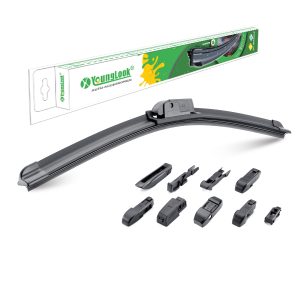
A UK buyer once asked me for prices at four quantities. Before we could work out which option made sense, we needed to answer a more basic question: what would his shops actually put on the shelf? A price per blade tells you very little until you know which lengths, adapters and packs make up a sale. If you’re ordering **wholesale wiper blades** for the first time, send your market, a few priority vehicles and a rough quantity. From there, you can choose samples, check fitment and work out the cost of a range you can actually sell. Here’s how I’d go about it.
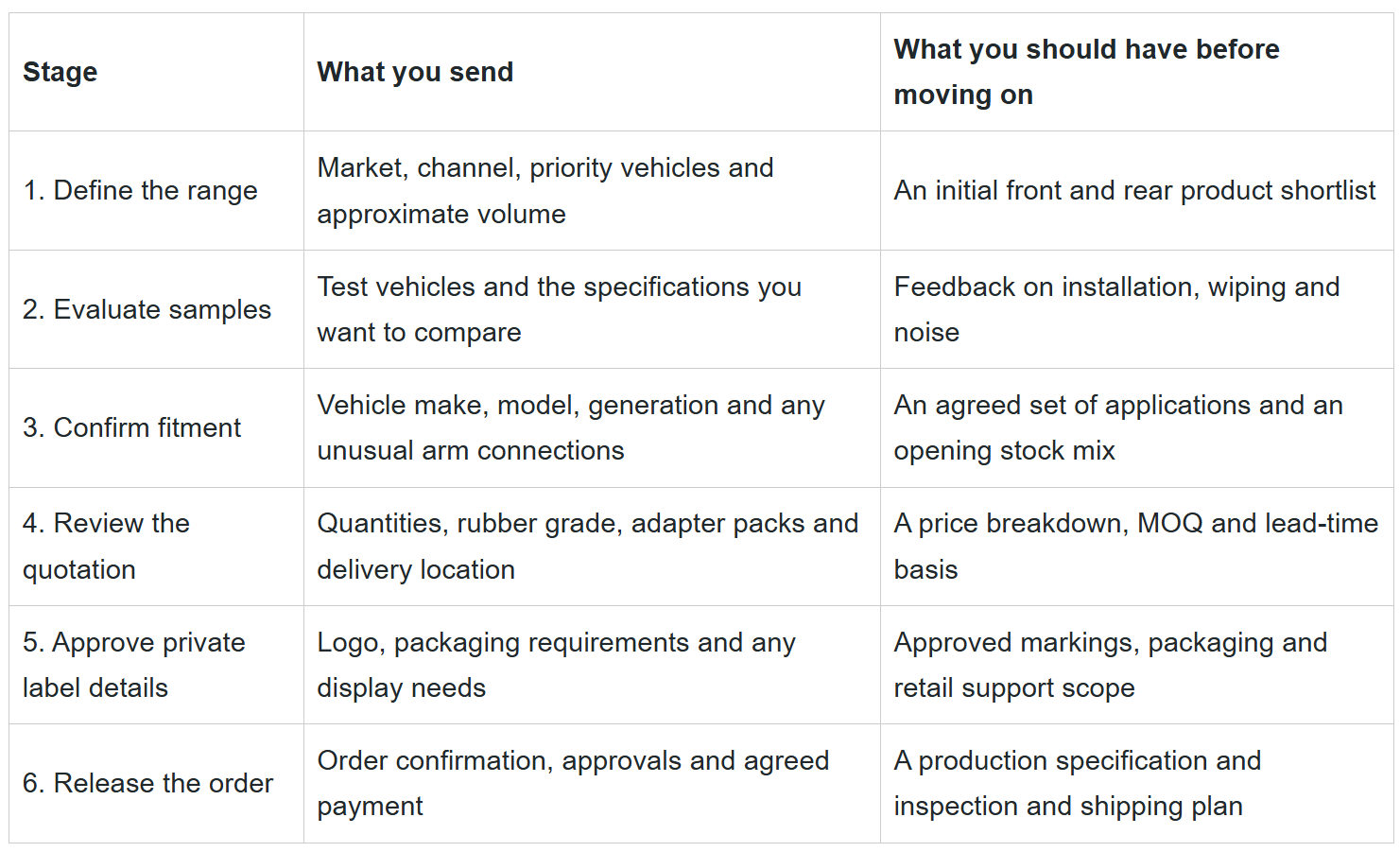
Copy this email to request samples and a wholesale quote
Subject: Wholesale wiper blade enquiry for [country]
Hi Jacky,
We sell in [country] through [parts shops, workshops, online stores or another channel]. Our priority vehicles are [make, model and year, if known].
I can also send photos of the blades or arm connections we already use.
Our estimated first order is [quantity or approximate range] blades. Could you recommend a starting selection, confirm what fitment information is available for these vehicles, and quote the samples and courier cost?
If possible, please show the blade, any extra adapters and retail packaging separately in the production quote.
Thanks, > [Name and company]
If you have not set a quantity yet, say “still planning” and ask what minimums apply. You can add a logo, size list or packaging brief later.
1. Define Your Market and Build a Wiper Blade Shortlist
Start with the vehicles you expect to serve
When a parts shop asks for a new range, I want to know who will pick the blade off the shelf. If it’s counter staff, a clear size label and an adapter code can save time on every sale. A fitting workshop may prefer a plain box and the connector packed with the blade. The same product can suit both buyers, but the order will look different.
Send a few vehicles you see regularly, including anything that has caused fitting problems. Tell us which market the vehicles are from and whether they are right- or left-hand drive. A photo of an unfamiliar arm end helps more than a guess at the connector name.
Decide between multi-fit and vehicle-specific blades
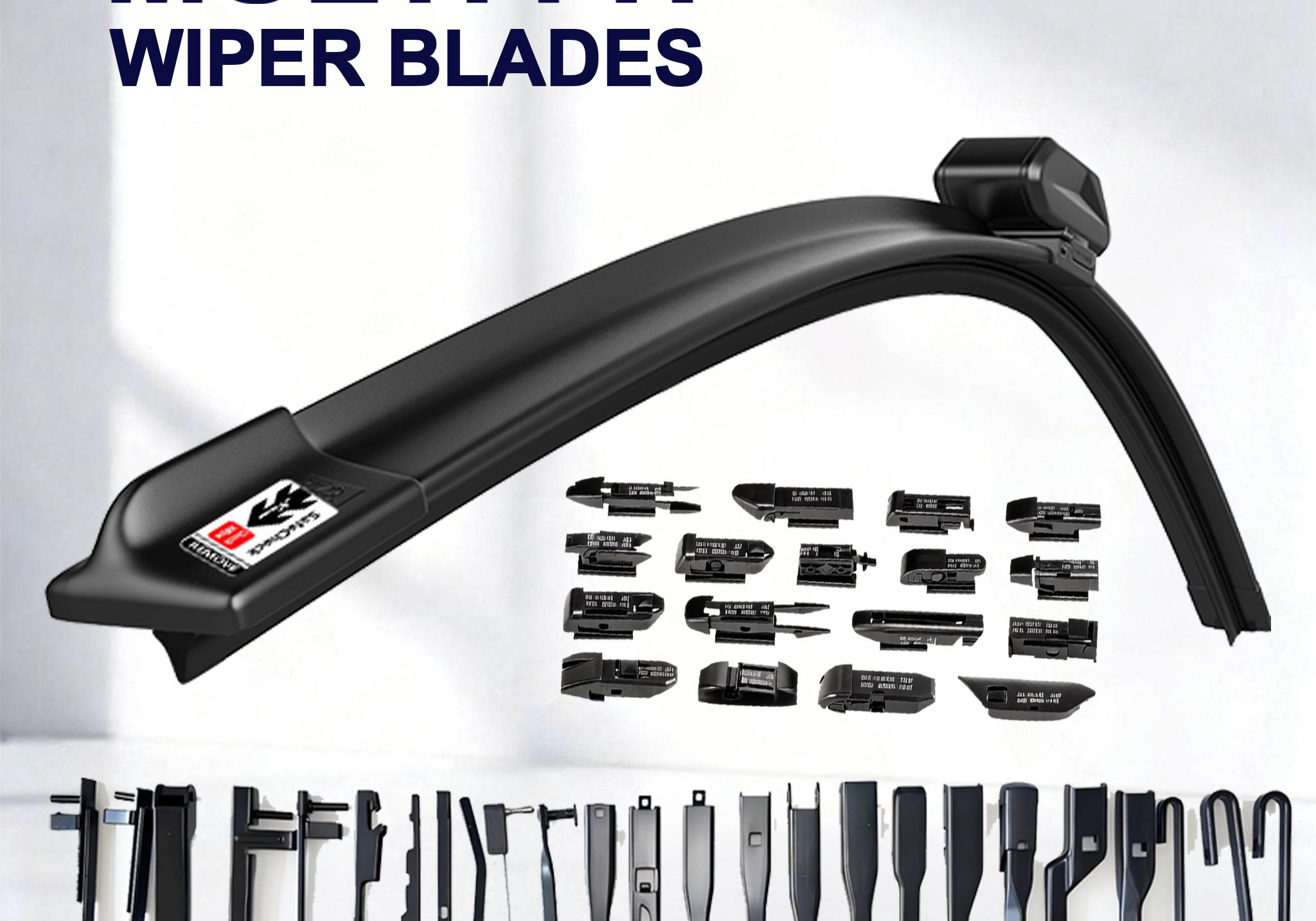
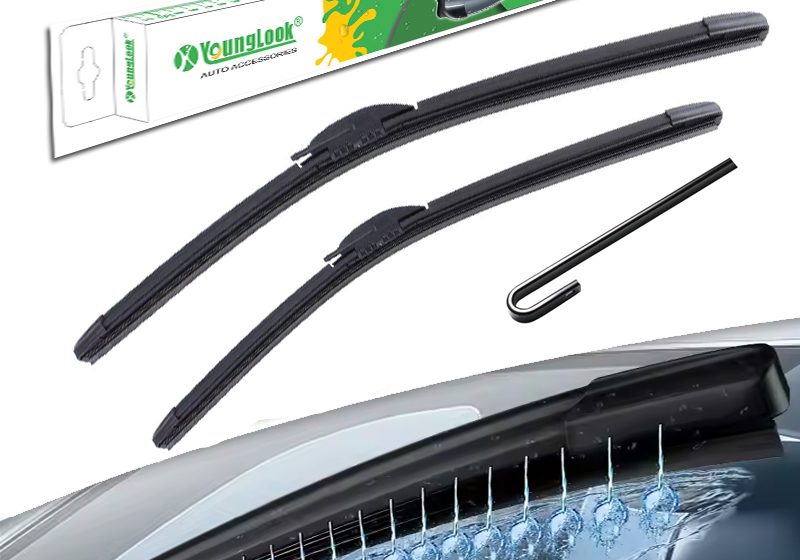
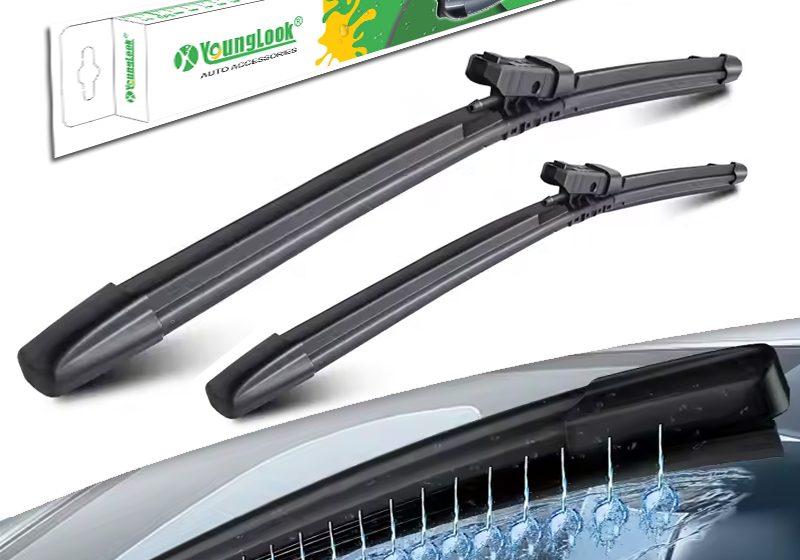
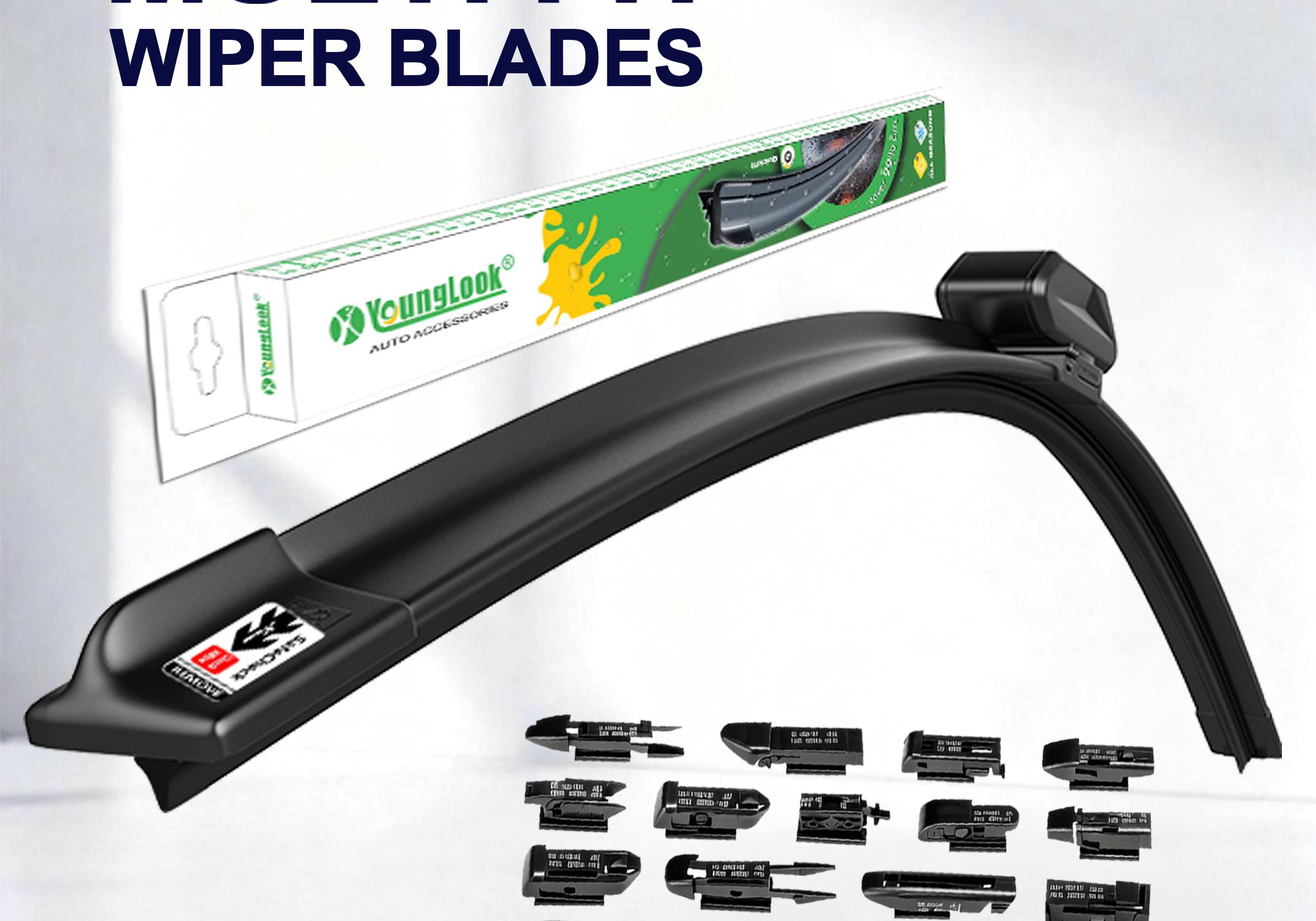
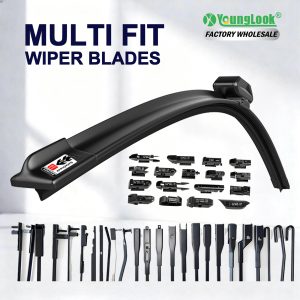
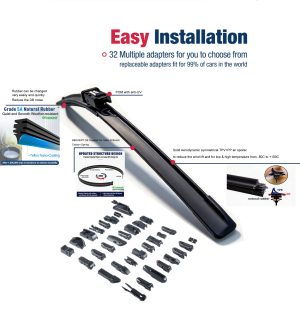
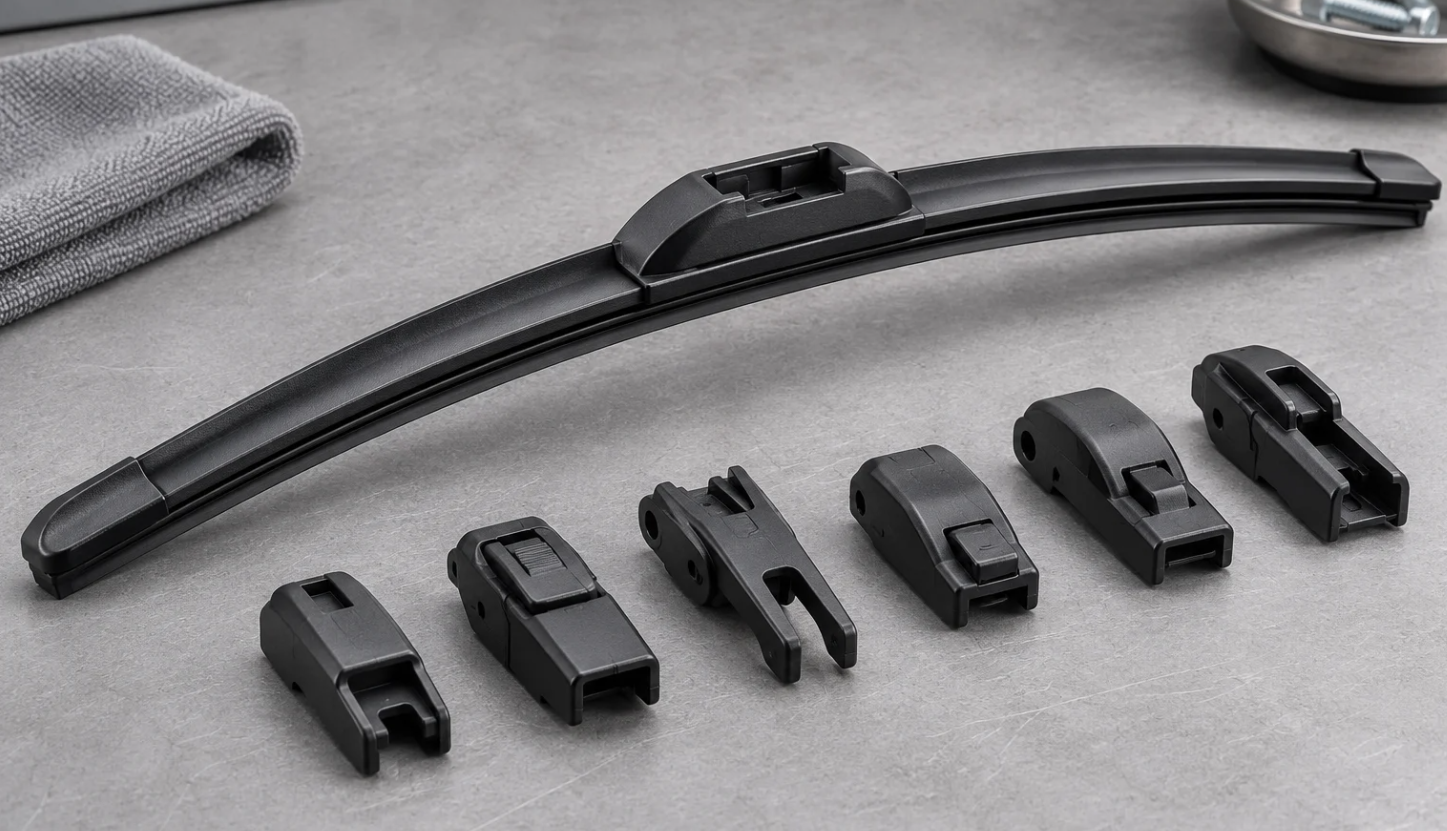
A multi-fit beam wiper blade can use different adapters on the same blade body, within the limits of that design. This gives distributors the option to stock blade lengths and adapters separately. A vehicle-specific wiper blade uses a fitting intended for a defined application, which can simplify identification and installation. Neither approach eliminates the need to verify the connection, blade length and fit on the vehicle.
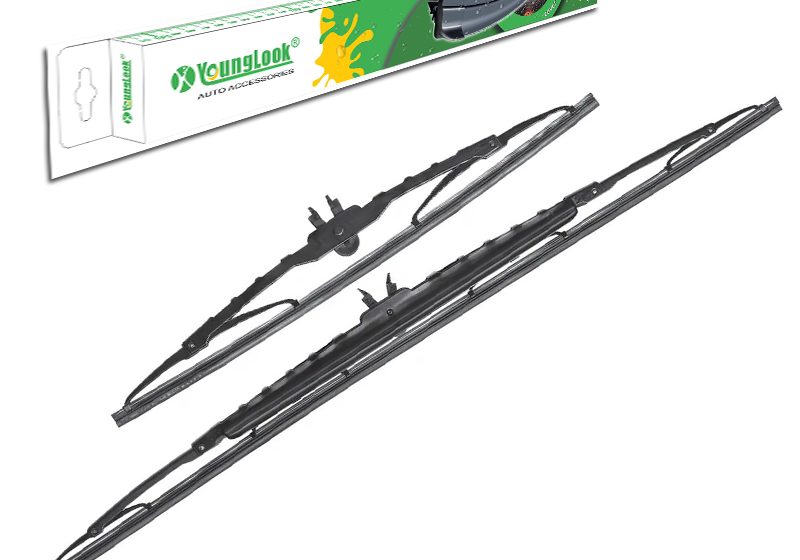
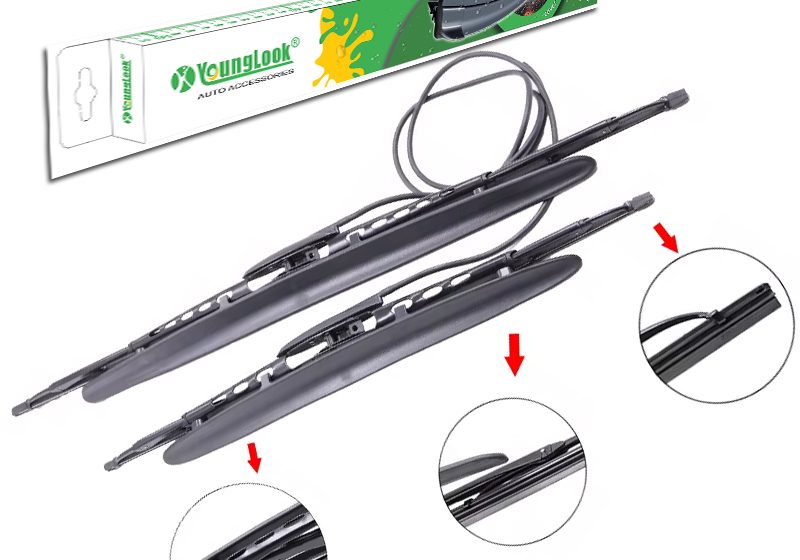
Our wiper blade range includes conventional, beam and hybrid designs. For rear wiper blades, start by deciding whether you want a multi-fit rear line, exact-fit replacements, or a mix. Keep your front and rear fitment lists separate: the same vehicle can use entirely different connections at the two ends.
Narrow the launch range before expanding it
Start with the vehicles your customers actually bring in. If you’re new to the category, try comparing two front designs and one rear design before asking for every size in the catalogue. You can add applications later when you know which sizes are selling and which fittings staff keep being asked for.
2. Request Samples and Test the Finished Blade
Ask for samples that answer a purchasing question
When we put together wiper blade samples, it helps to know what you want to compare. For fitment, we need the vehicles you can test. For rubber, ask for the same blade and fitting in both compounds if available. For retail, ask to see how the box and adapter pack are labelled.
Check what is in the parcel and what the courier charge covers. If you add samples afterwards, ask for the updated charge and invoice before paying. Keep the model and adapter labels with each sample so we can tell which combination you tested.
Compare natural rubber and silicone in context
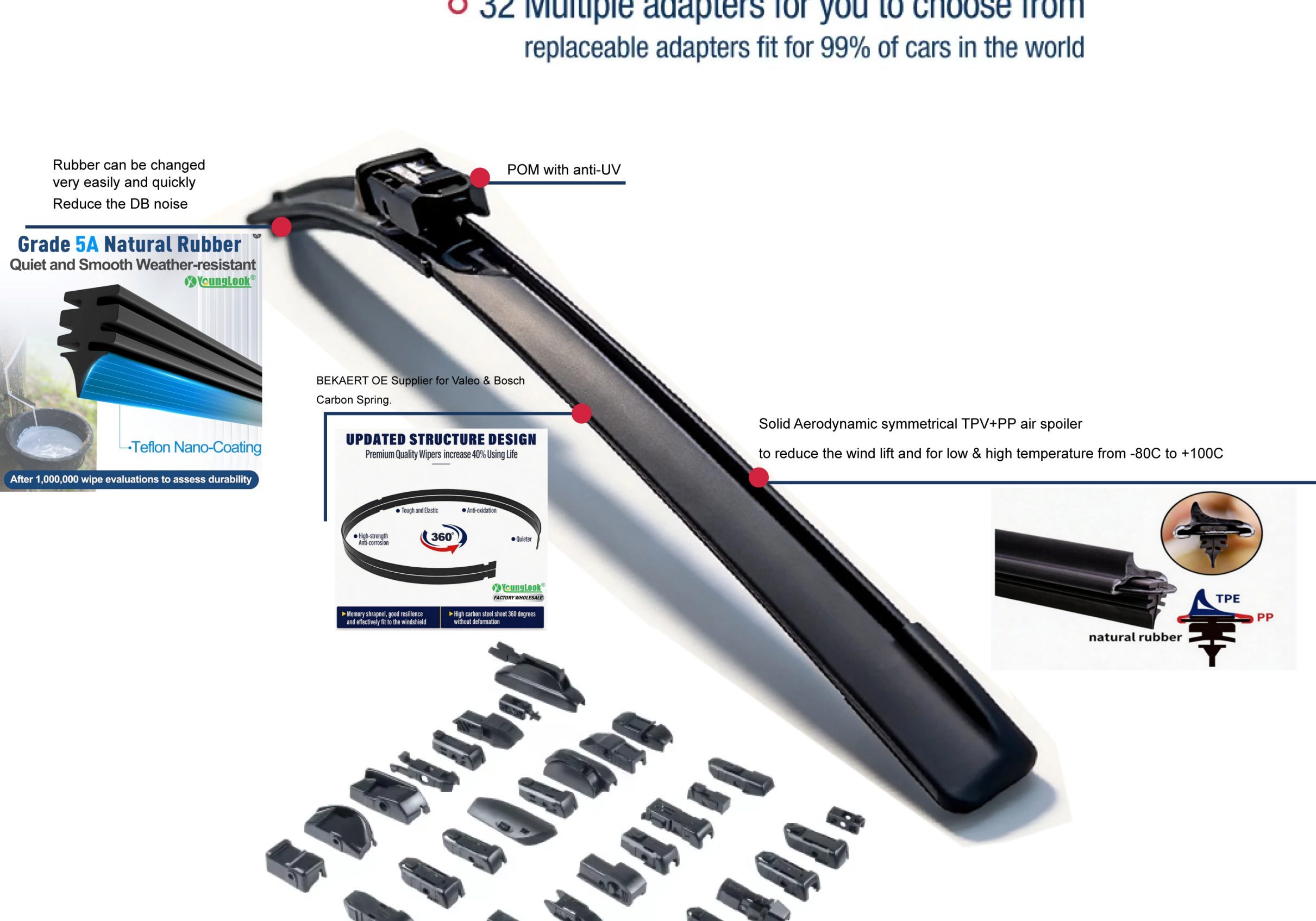
Grade A natural rubber can be a practical starting specification for a general aftermarket range. Silicone rubber can be worth evaluating where customers prioritise resistance to weathering and temperature changes, or where there is a clear premium price point. Compare the actual compounds offered for your shortlisted models. Do not assume that the material name alone predicts quieter operation or a fixed service life. Blade pressure, rubber coating, fit and the glass surface all affect what the customer sees and hears. See our natural rubber and silicone comparison for more background.
Ask for the price difference per blade and check whether it changes by length or model. If silicone costs more, decide whether you want it across the full range or only in a premium line. Testing two compounds on the same design gives you a better basis for that decision than comparing two different blade designs at once.
Record installation, wipe quality and noise
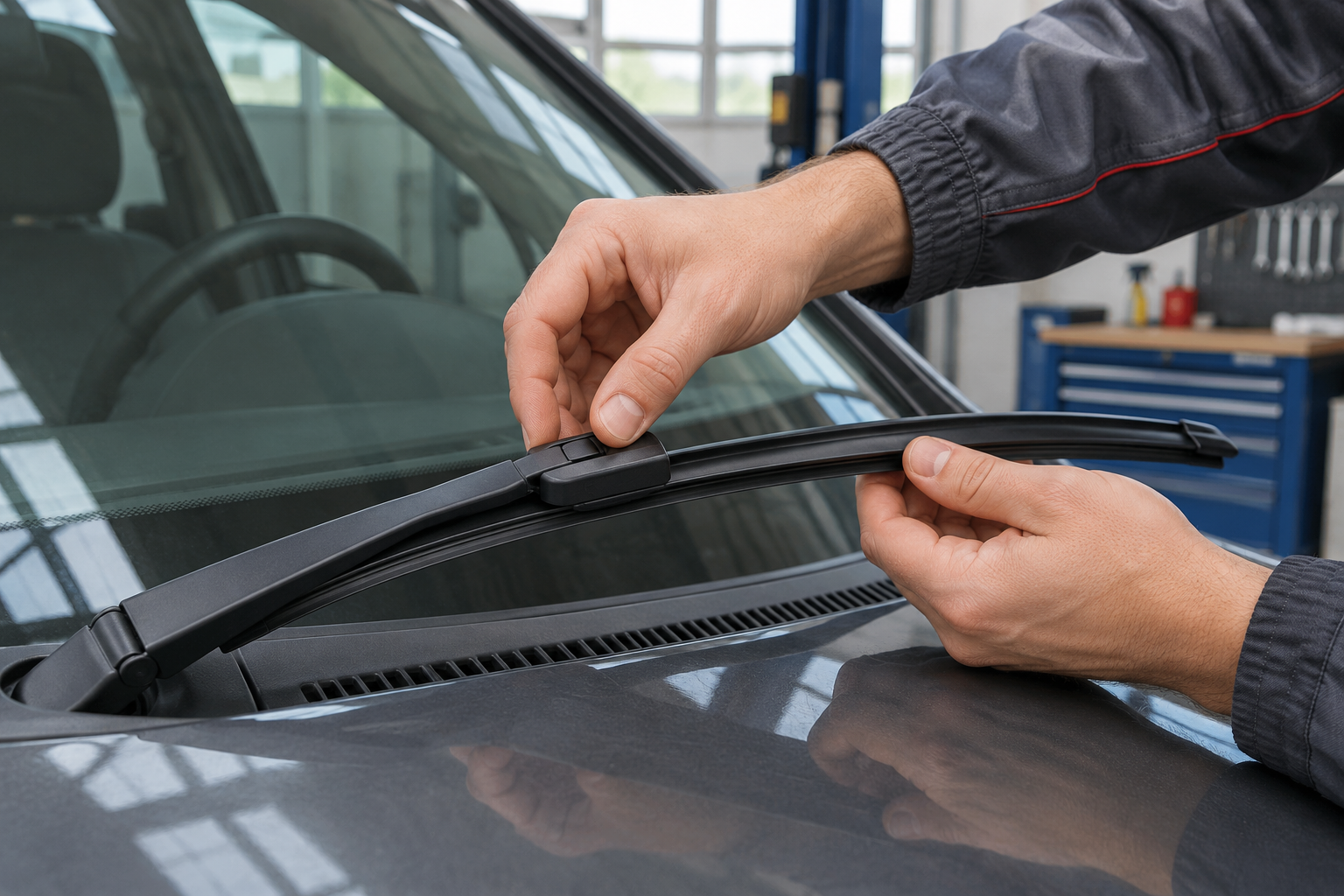
For a sample fitment check, start with the vehicle or arm the sample was selected for. Check that the connection seats and locks correctly, the blade clears the surrounding bodywork, and the rubber contacts the glass where it should. Use suitable wet conditions and follow the fitting instructions for the vehicle. Note any streaking, unwiped areas, squeaks or judder. Bosch’s replacement guide is a useful reminder that correct installation is part of the evaluation.
For each trial, record the vehicle, year, side, blade length, adapter code, rubber specification and result. Include photos or a short video if something does not fit as expected. Several successful installations are useful screening evidence; they do not establish a lifespan or prove coverage of an entire vehicle market.
3. Confirm Vehicle Fitment and Plan the Opening Stock Mix
Build the application list around the actual connection
A usable vehicle fitment table should help someone pick both the blade and the connector. Include the make, model, production years or generation, and steering position where relevant. Record the front driver and passenger lengths and the corresponding adapter reference for each side. Add the rear blade length, model and fitting reference where applicable. Note special arms, uncertain variants and applications that still need confirmation.
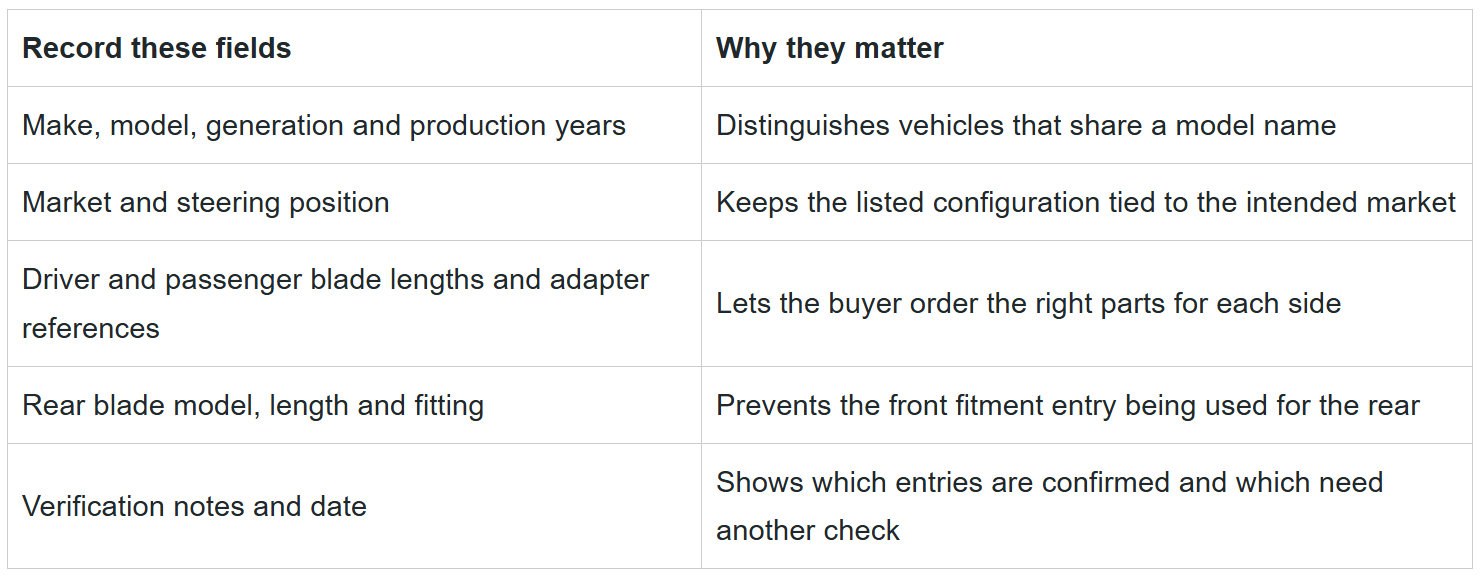
Agree what fitment data is available at each stage
At YOUNGLOOK, start by sending your priority vehicles. During sample evaluation, we can agree which applications can be checked against the shortlisted products. Where a fitment is confirmed, record the blade length and adapter reference for each side. If a variant is still uncertain, leave it off the opening order until it is checked. The complete internal database remains proprietary. For an agreed supply programme, discuss the scope and format of the data for the products you buy, and whether it can be used in your own retail fitting guide.
The UK DVSA MOT manual covers windscreen wipers and washers under visibility. It is useful market context, but a test requirement is not a fitment catalogue. A correct adapter and blade length still need their own evidence for the particular vehicle.
Turn the application list into stock quantities
Group the verified applications by blade length and adapter. Your opening stock mix should reflect expected demand, not just the number of vehicles listed for a fitting. For example, if several priority vehicles share a blade length but use different adapters, you may stock more of the common blade length and buy the adapters in a different ratio. If you sell front adapters in pairs and rear adapters individually, keep that unit distinction clear when calculating the opening order.
Case example: a UK distributor evaluating its first private label range
A UK aftermarket buyer gave us three right-hand-drive vehicles to start with: a 2022 VW Transporter, a 2025 Citroën Relay and a 2015 VW Golf. We prepared front and rear blades, labelled adapters and packaging examples. The labels mattered: the buyer could refer to a specific blade or adapter when giving feedback instead of describing it from a photo.
After looking through the samples, the buyer shortlisted three front blade designs. Then a useful detail came up: the shops would need two front adapters in a pack, but only one rear adapter per pack. That affects the pack label, the quote and how many hooks the retailer needs. We also discussed a fitting guide so staff could match the pack code to the vehicle.
The project was still at the sample stage. The next decision was which sizes and adapters to stock once the priority applications and fitting feedback had been reviewed.
4. Compare Wholesale Quotes on the Same Basis
Ask for prices by configuration and selling unit
When you compare wholesale wiper blade prices, put the two quotes side by side and check what a shop would actually receive. I’d list the blade, included fitting, extra wiper blade adapters, retail box and branding separately. Check whether prices are per blade, pair or set. Where different materials are available, ask for natural rubber and silicone on the same blade configuration so the difference is visible. Confirm which pack and marking were included in the quoted price before comparing suppliers or volume tiers.
Check MOQ, tooling and lead-time assumptions
Ask whether the minimum order quantity (MOQ) applies to the model, size, adapter reference, packaging design or total order. A mixed-size order may meet the blade minimum while custom boxes still have separate requirements. Ask which costs repeat on every order and which are one-off, such as a new mould, print setup or packaging tooling. Confirm when the lead time starts and whether it includes artwork approval, packaging procurement and inspection.
Compare the delivered cost, not only the factory price
For a shelf-ready product, compare the cost of the blade, the adapters it needs, the pack and any retail materials. Add freight and relevant destination charges for the delivery terms you are considering. Ask for the trade term, named place or port, and a clear breakdown of what is included. The ICC Incoterms rules explain how the chosen term allocates delivery responsibilities, costs and risks.
5. Agree the Private Label Packaging and Retail Plan
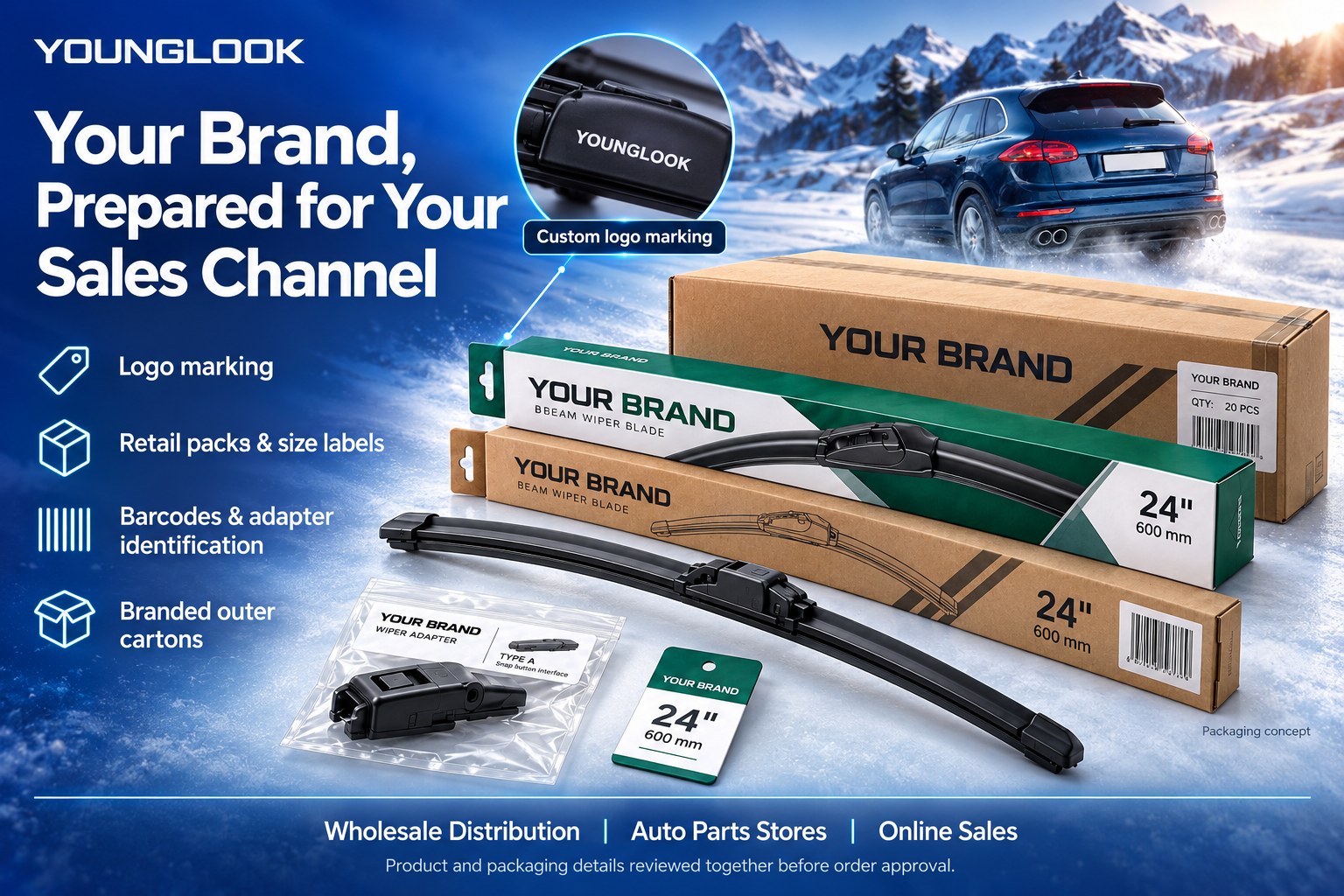
Confirm where the logo will appear
A blade can have several possible marking areas, such as an end cap, a centre cover or a suitable spoiler surface. The options depend on the model, material and available space. A single light-colour logo on a black part is a sensible starting point for a standard range; quote multicolour graphics separately when a retailer requires its brand colours. Send the artwork and colour references, and approve a marked sample or proof before production.
Measure the actual parts before fixing box dimensions
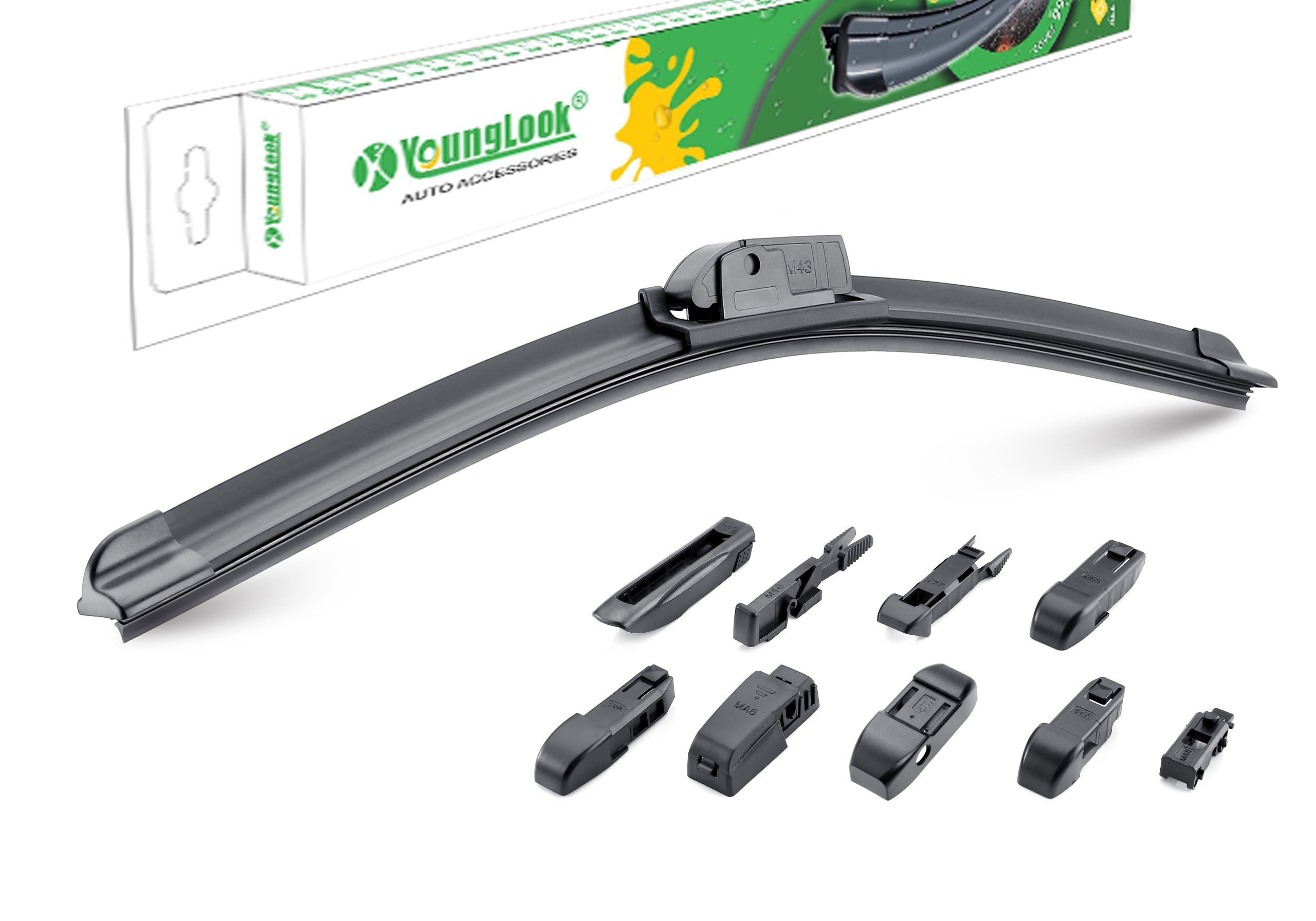
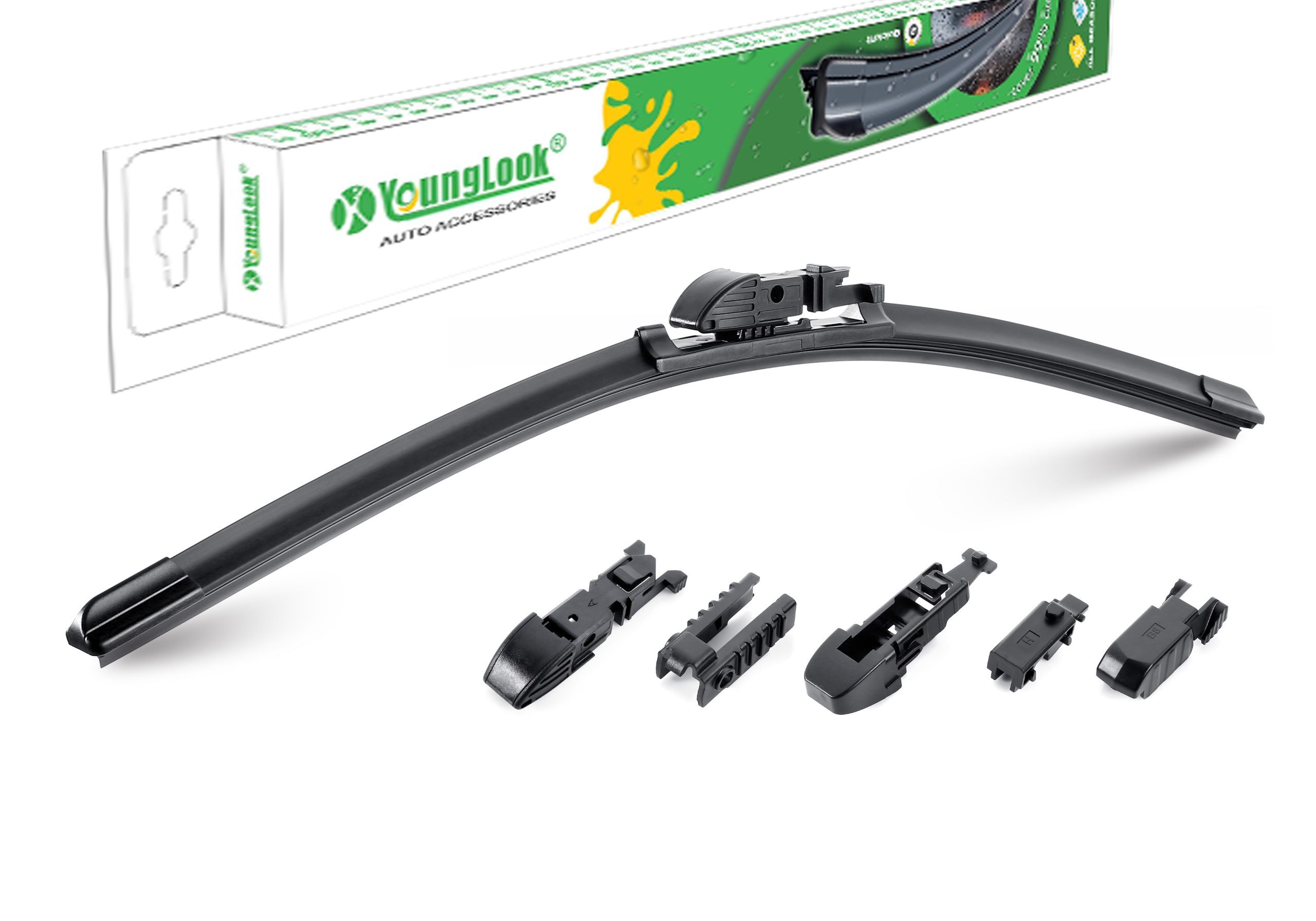
Decide how the shop will sell the parts before you settle on private label packaging. The adapter can go in the blade box, in a separate pack or in a kit. If front adapters will be sold in pairs, quote a two-piece pack. If rear adapters are sold one at a time, quote a single-piece pack. An individual carton or blister with a punched hanging tab can be considered for hook displays. Confirm the dimensions using the largest part intended for that box, including the space taken up by the insert, tabs or folds. This helps avoid a package designed around the smallest sample.
Plan shelf space and fitting support together
If you want a branded rack, specify the shop footprint, target blade capacity and space needed for separate adapters. For example, a rack with two rows of ten hooks and five blades per hook holds 100 blades if every hook is used for blades. If you reserve hooks for adapters, recalculate capacity. Request a layout, stand price and MOQ on that basis. A product-specific fitting guide, clear adapter codes and installation videos can help shop staff sell the right parts. Agree which guides are available in print or digital format, and ask for a print quote based on the number of copies you need.
6. Approve the Order, Check Production and Plan Reorders
Record the approved production specification
For background on what happens on the factory floor, see how wiper blades are made and checked.
Put the model, lengths, quantities, rubber grade, blade construction, included and separate adapters, logo and packaging in the order specification. Identify the approved samples and artwork version. Confirm payment terms and when production can start. Record how changes will be agreed so a substitute rubber, connector or pack does not enter production by mistake.
Match quality evidence to the product you are buying
For wiper blade quality control, ask which tests cover the model on your quote. If the report names a different model, ask what evidence is available for yours. Separate compound tests, such as rubber ageing checks, from finished-blade or complete wiping-system tests. SAE J903 is a reference for passenger-car wiping systems and blades; if a report cites it, check the model, method, sample and result on the report itself. A quality management certificate and a report for a different blade cannot establish how the model you ordered performed. Where third-party testing is needed, agree the scope, timing and responsibility before placing the order.
Check the shipment and use early sales to refine the range
Agree what will be checked before dispatch: the specification, lengths and quantities, adapter references, markings and packaging, plus any performance or inspection items in the order. Review the packing list against the approved size and adapter mix. After launch, track sales and returns by blade and adapter reference. Use those records to adjust reorders and decide which applications merit further verification. Keep the approved specification as the reference when changing quantities.
Conclusion
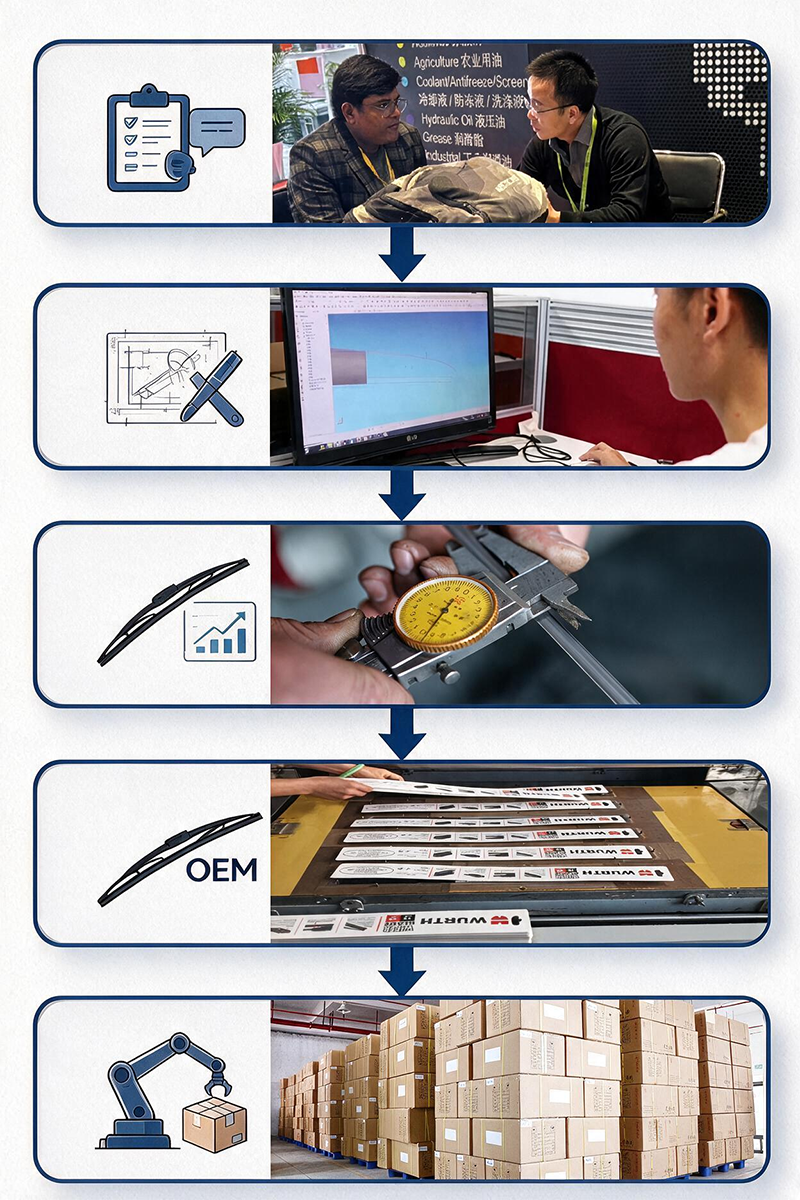
Before you approve the first order, make sure you can answer three questions: Which vehicles have we checked? What will arrive in each box? Can shop staff use the label to pick the correct blade and adapter? If one answer is unclear, sort it out while the samples and artwork are still easy to change.
FAQ
What if I do not know the adapter reference?
Send the vehicle’s market, make, model and year, plus a clear photo of the arm end or the original blade connection if available. Ask the supplier to identify what can be checked from that information and what needs a fitting trial.
How do I compare two quotes if one includes adapters?
Convert both to the same selling unit. If you sell a pair of front blades and a separate two-adapter pack, calculate the price for the full vehicle set, including the retail packs. A cheaper per-blade price may cost more once the missing parts are added.
What should I do if a sample fits one vehicle but not another with the same model name?
Record the year, generation and arm connection for both vehicles. Keep the uncertain variant out of the published fitting guide until it is verified.
Can I reorder just the fast-moving parts?
Ask whether blades and adapters can be reordered separately and what minimums apply to each reference. Keep the approved specification and pack version on the reorder so only the quantities change.
How should shops identify an adapter sold separately?
Use the same reference on the adapter box, the fitting guide and the stock list. If the pack contains two adapters, state the quantity clearly so store staff know what they are selling.
What if I need test reports for a retailer?
Ask the retailer which methods, product models and documents they require before you brief the factory. That lets you identify gaps in existing reports and agree what additional testing is needed before committing to the order.
Related Articles
- How Are Windshield Wiper Blades Made? — from components and assembly to quality control.
- Conventional Wiper Blades Explained — design, applications and purchasing considerations.
- Silicone vs Rubber Wiper Blades — compound selection and weather considerations.
About the Author
Jacky works in wiper blade sales and export at Xiamen Younglook Tech Co., Ltd. He has worked in the wiper blade industry since 2008 and helps distributors evaluate samples, select product ranges and prepare private label orders.
References
- SAE J903 scope — DLA ASSIST Quick Search: scope of passenger-car windshield wiping system and blade testing.
- DVSA — MOT Inspection Manual: Visibility: UK inspection context for windscreen wipers and washers.
- Bosch — Tips for Replacing Wiper Blades: practical fitting considerations.
- ICC — Incoterms Rules: delivery obligations, cost and risk allocation.
- ISO — ISO 9001 Quality Management Systems: scope of quality management system requirements.
Request Samples or a Wholesale Quote
Use the enquiry template above to share your market, priority vehicles and estimated quantity. We can start with the information you already have and suggest a sample selection for your first order.