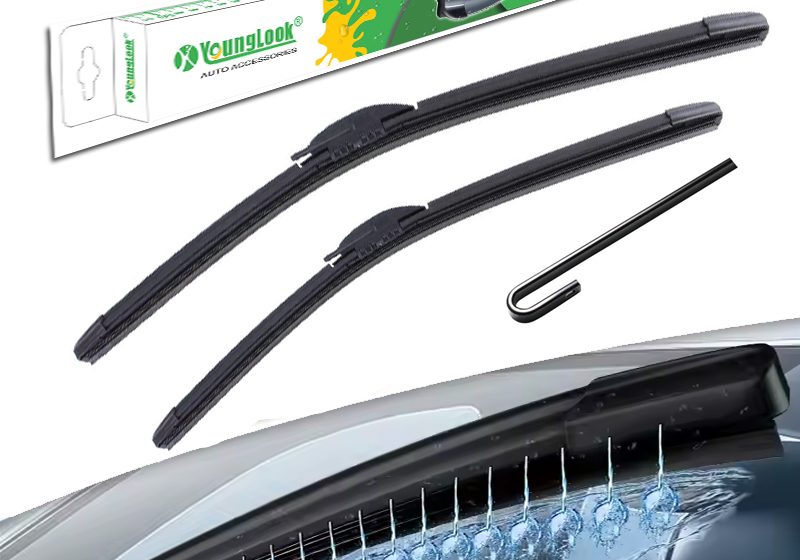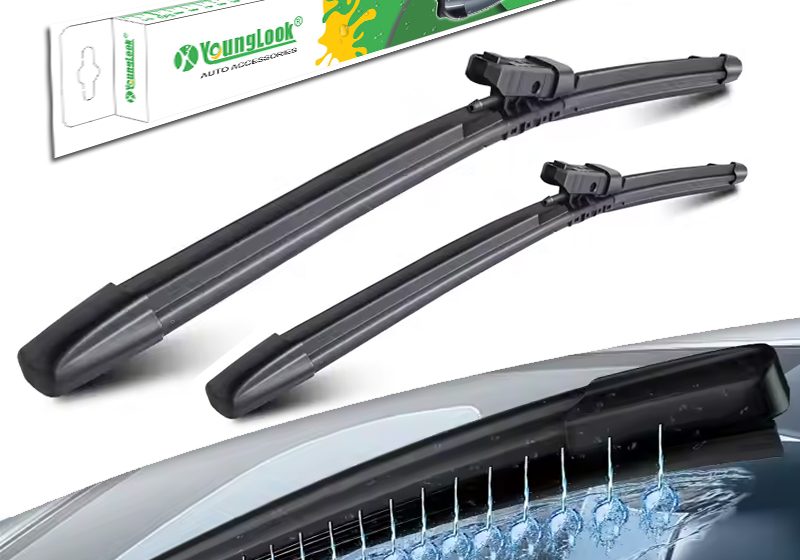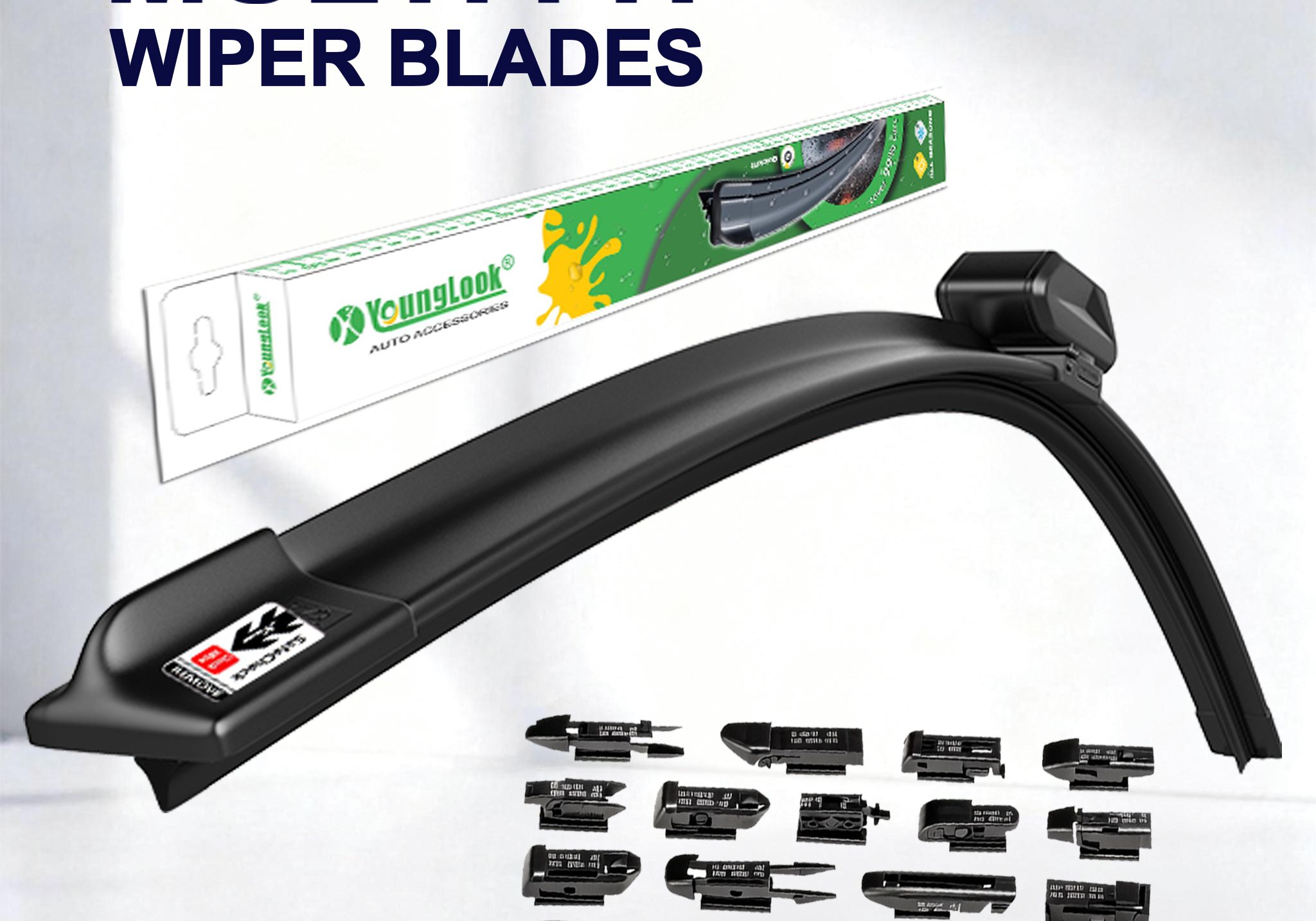
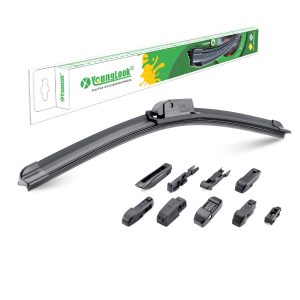
Two wiper blades can look almost identical in a catalogue and behave differently on the same windshield. One clears cleanly in both directions; the other leaves a narrow streak, chatters at the ends or becomes loose after installation. For distributors, those differences turn into returns, fitting questions and damage to a brand’s reputation.
Conventional wiper blades use an articulated frame to transfer force from the wiper arm to the rubber wiping element. They remain a practical replacement option where the blade specification suits the vehicle. Classic wiper blades often use the same structural principle, with additional attention to traditional appearance.
Choosing a range therefore takes more than selecting lengths and comparing unit prices. Buyers need to understand the frame, rubber, connection and intended application—and agree on how the finished product will be evaluated.
1. What Are Conventional Wiper Blades, and How Do They Work?
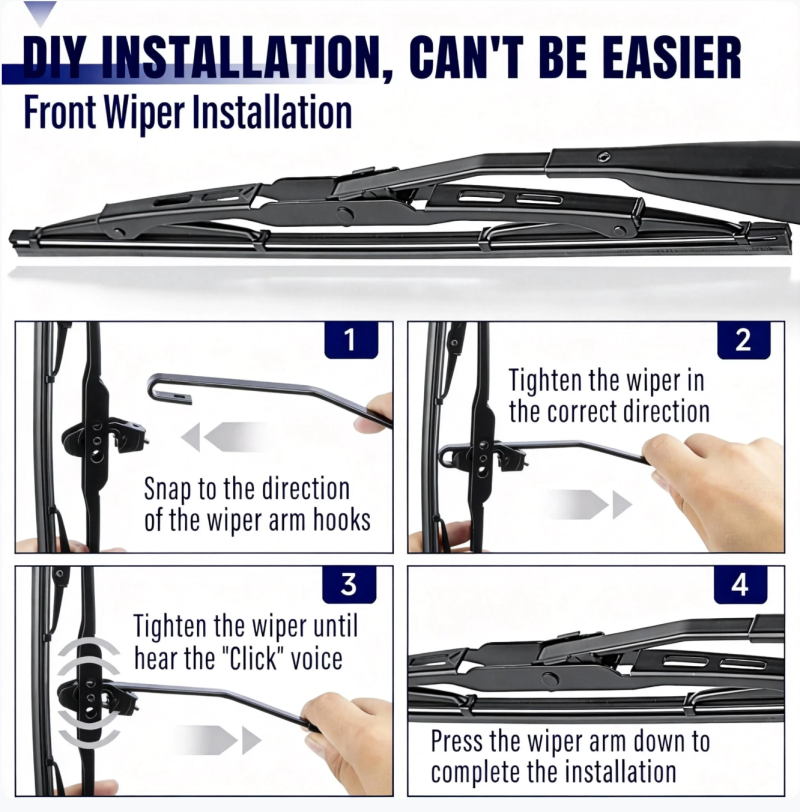
Main components of a conventional blade
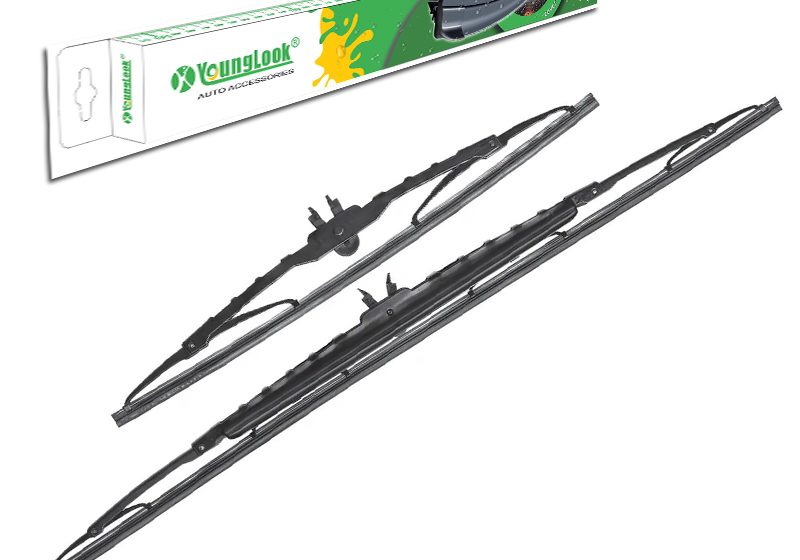
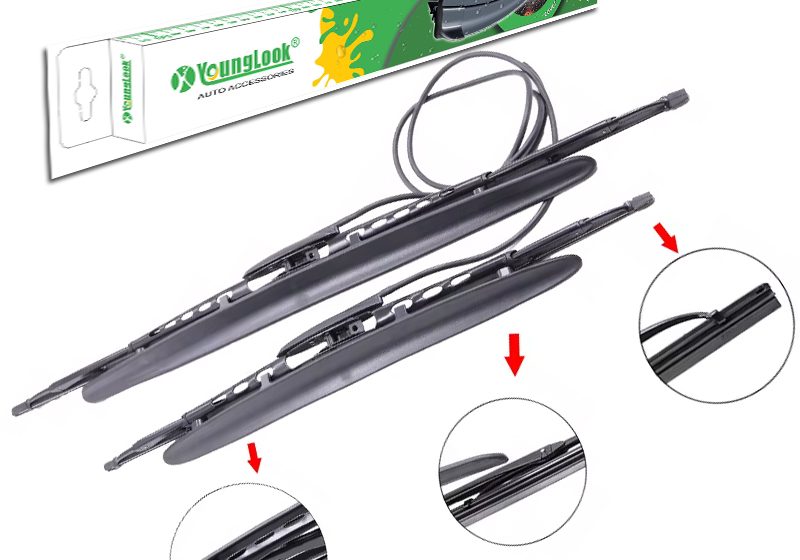
Also called traditional, framed or bracket-style wipers, conventional blades have a visible supporting framework. A typical assembly includes a central bridge, smaller articulated brackets, pivots, rubber holders, supporting flexors and a connector.
The wiping element is held along the frame while remaining able to follow the glass. The connector attaches the assembly to the vehicle’s wiper arm. Details vary by model and length; not every conventional blade has the same bracket arrangement or number of support points.
For buyers reviewing frame wiper blades, the useful comparison is between complete specifications. A similar silhouette does not confirm identical materials, tolerances or performance.
How the frame distributes force
The wiper arm supplies force at the connection. The frame transfers that load through its brackets to several locations along the wiping element.
The pivots must move sufficiently for the assembly to follow the windshield. A binding joint can restrict movement; excessive clearance can allow unwanted play. Both deserve attention during inspection.
Adding support points does not create more arm force. What matters is how effectively the design distributes the available force and maintains contact across the intended glass surface.
Why windshield contact depends on the whole assembly
The frame, flexors and rubber work together. Blade length, windshield shape, arm condition and installation position also affect the result.
This explains why a blade can pass a visual inspection yet leave an unwiped section when fitted. It also explains why a longer blade is not automatically an upgrade: extra length may introduce interference or poor contact.
A sound selection process starts with the vehicle application, then checks the product on an appropriate fixture or vehicle.
2. Conventional vs. Beam Wiper Blades: Which Design Fits the Application?
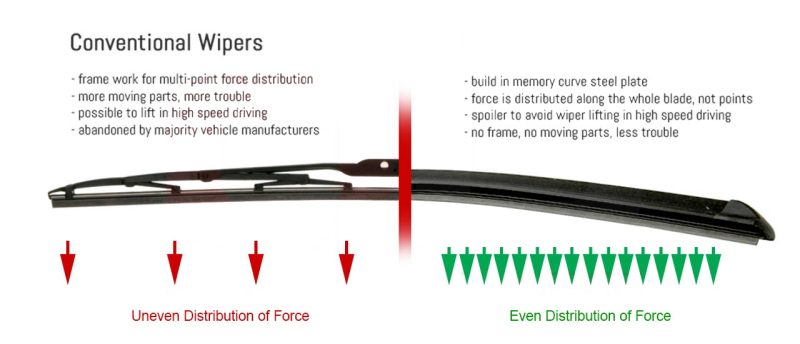
Articulated frames and continuous spring structures
A conventional blade distributes force through an articulated framework. A beam blade normally uses one or more pre-curved spring elements instead of that external bracket arrangement.
TRICO’s beam-versus-conventional explanation describes this structural difference. Bosch’s PureVision product information also illustrates beam technology as an approach to distributing wiper-arm pressure.
These design descriptions help explain the products. They do not establish that every beam blade will outperform every conventional blade on every vehicle.
Contact, airflow and winter exposure
Beam construction offers opportunities for a low-profile body and integrated aerodynamic features. Conventional blades may also incorporate spoilers or other airflow features, depending on the model.
High-speed wiping should be assessed on the intended application. Blade orientation, spoiler geometry, windshield airflow and arm force all deserve consideration.
Winter conditions introduce another concern: snow and ice can interfere with exposed frame joints. Fewer exposed joints may help, but a beam label alone does not establish severe-winter suitability. Rubber flexibility, connector behaviour and icing still require evaluation.
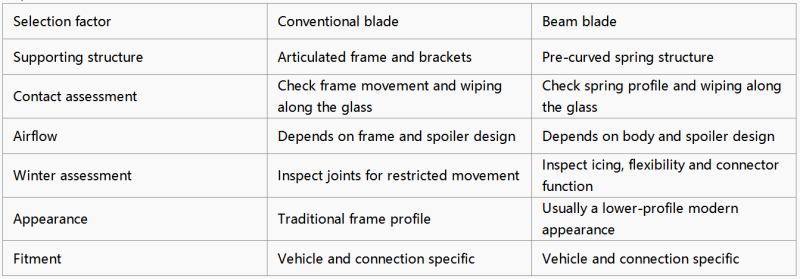
When a change to beam blades makes sense
A retrofit can be appropriate when the replacement is listed or validated for the vehicle. Confirm the connection, blade lengths, mounting height, surrounding clearance and parking position.
Then check wet wiping in both directions. An adapter that locks securely is essential, but it does not prove the entire blade suits the windshield.
For a broader comparison, see our frameless versus frame wiper blade guide.
3. What Are Classic Wiper Blades, and Which Vehicles Use Them?
Traditional appearance with working performance
“Classic” describes a product position or application rather than a single universal engineering specification.
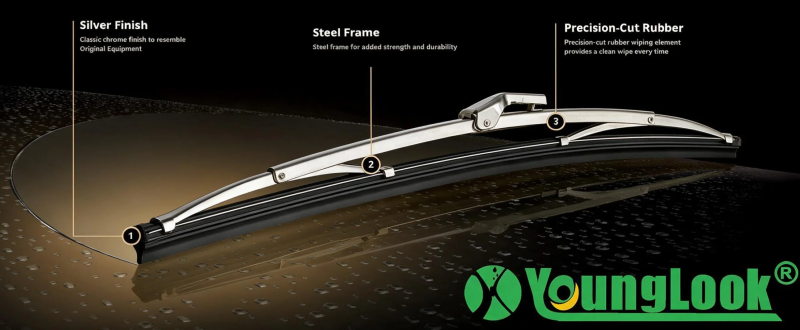
A clear example is TRICO Classic, a range presented with a vintage appearance, chrome finish, steel frame and precision-cut rubber element. Its published lengths run from 10 to 18 inches, including 13 inches. Those details describe that particular range.
For a restoration buyer, the frame shape and finish may be as noticeable as the blade length. A modern-looking replacement can function yet look out of place beside original brightwork.
Classic cars, pickups and restoration applications
TRICO positions its Classic range around 1940s–1960s classics. That provides useful market context, rather than a blanket compatibility statement.
When developing a classic range, separate the intended vehicle groups:
- Classic passenger cars requiring an original-style appearance.
- Vintage pickups and light vehicles with verified connections.
- Restored vehicles fitted with replacement arms.
- Other regional classic applications supported by samples or application data.
A vehicle being old does not automatically make a silver classic blade the correct choice. Some applications call for a black frame or a different assembly altogether.
Original arms and replacement arms
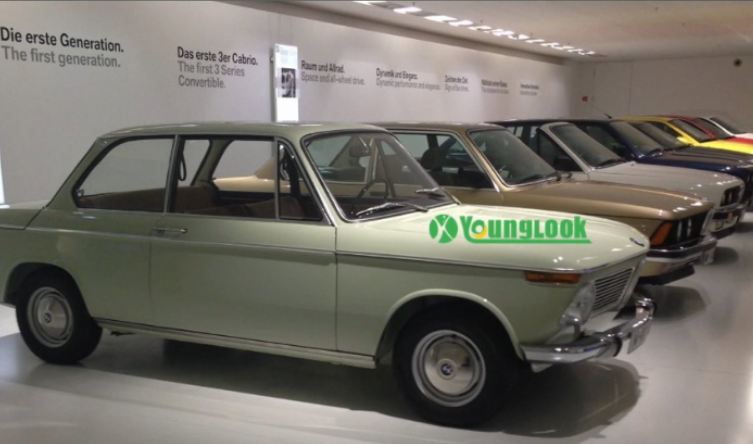
Restoration work can change the fitting conditions. A vehicle may retain its original arm, use a later replacement or have an altered mounting arrangement.
Ask for the year and model, but also inspect the arm end. Connection photographs, dimensions and a reference sample can resolve uncertainty that a vehicle name alone cannot.
Commercially, classic wiper blades are best organised around verified applications and agreed appearance requirements. Any proposed expansion into a new vehicle group needs its own fitment check.
4. How to Select the Correct Size, Connection and Vehicle Application
Record the vehicle details that affect selection
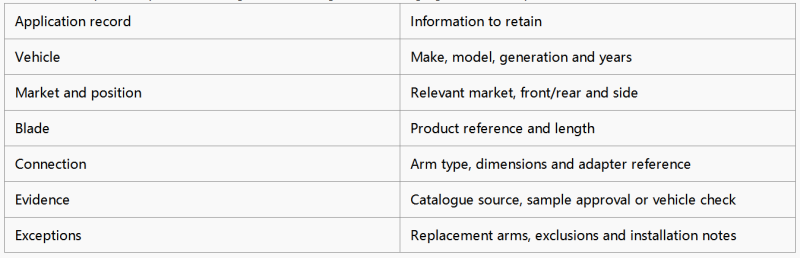
A useful application record includes manufacturer, model, production years, market and installation position. Add generation or body style where relevant.
Driver and passenger blades may differ. Left-hand-drive and right-hand-drive applications should be checked where they affect selection, orientation or clearance.
Record the source of the information, too. A catalogue reference, a customer-supplied sample and a completed vehicle check provide different levels of evidence.
Identify the connection precisely
Conventional applications can use hook, bayonet, side-pin or other connections. Similar-looking fittings may have different dimensions or locking details.
Confirm the arm-end size, adapter reference, insertion direction and retention mechanism. Provide an installation illustration that matches the supplied connector.
For classic vehicles, check whether the arm and blade can be serviced separately. Do not assume that every older assembly accepts a modern interchangeable adapter.
Check clearance and actual wiping
After installation, confirm secure retention and clearance throughout the sweep. Inspect for interference between blades, contact with surrounding trim and an incorrect parked position.
Test on wetted glass and observe both directions of travel. Review the centre and ends of the wiping area rather than judging a single pass.
If the result is poor, inspect the arm, glass and fitting before changing the rubber specification.
5. What Determines Wiping Quality and Durability?
Rubber compound, edge and surface treatment
The material description is a starting point. Compound formulation, hardness, processing and wiping-edge geometry all contribute to finished performance.
Bosch’s MicroEdge information, for example, identifies a specially blended natural-rubber wiping edge. The practical lesson is to examine the specified compound and finished product rather than treating a polymer name as a quality grade.
Surface treatments also need clear descriptions. Graphite or other low-friction treatments should be identified separately from the base rubber. Their contribution should be evaluated through wiping and wear results.
Our guide to wiper rubber grades and coatings explains these purchasing distinctions.
Frame movement and component retention
Check straightness, bracket alignment, pivot movement and assembly clearance. Confirm that the rubber remains properly retained and that the connector locks as intended.
Inspect representative short and long blades. Approval of one length should not automatically release every frame arrangement in the range.
Weight alone is a weak purchasing shortcut. It does not establish correct geometry, secure assembly or effective wiping.
Surface finish and corrosion protection
For classic products, specify colour, gloss and the visible finish alongside the substrate and actual treatment process. Silver paint, a plated finish and stainless steel are different specifications.
Corrosion evaluation also needs detail. Define the exposure method, inspection locations, acceptable appearance and functional checks afterwards.
ASTM B117 describes salt-spray apparatus operation and cautions against using salt-spray results alone to predict natural-environment performance. A stated number of hours is therefore not a direct outdoor-life promise.
Climate, contamination and arm condition
Rain-X’s maintenance guidance identifies poor glass contact and deterioration as concerns associated with symptoms such as streaking, smearing and chatter.
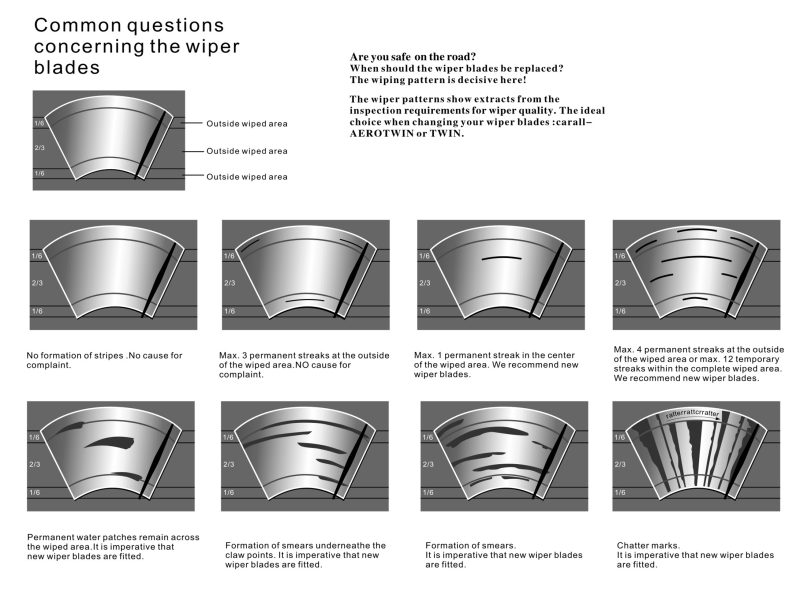
For diagnosis, keep the possibilities separate. The rubber may be damaged, the glass contaminated, the frame restricted or the arm unsuitable. Replacing the blade repeatedly will not resolve every system problem.
For hot, dusty, humid or freezing markets, agree on the relevant exposure and functional checks. Our climate and material selection guide covers these choices in more detail.
6. How Should Buyers Evaluate a Conventional Wiper Blade Supplier?
Compare quotations against the same specification
One quotation may include branded packaging, a particular compound and additional inspection. Another may cover a basic blade in a standard sleeve.
Make the comparison visible. Agree on lengths, quantities, frame, rubber, connection, finish, packaging, testing and trade terms.
Clarify MOQ by size, model, special finish and packaging design. For classic ranges, appearance variations can add ordering complexity even when the underlying structure looks similar.
Approve samples with measurable acceptance criteria
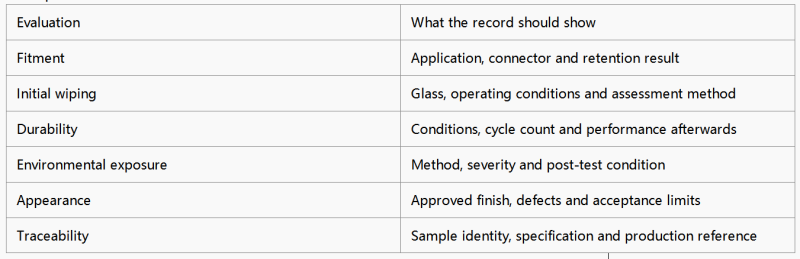
A sample should have an identified specification and an agreed evaluation plan.
Start with installation, wet wiping, appearance and structural checks. Add durability and environmental tests where appropriate to the project.
SAE J903 covers windshield-wiper-system performance and test procedures within its stated vehicle scope. Buyers should specify the applicable edition, clauses and acceptance requirements rather than relying on a general “SAE tested” statement.
For ozone resistance, ISO 1431-1 addresses rubber cracking under static or dynamic strain. The specimen, strain, concentration, temperature, exposure time and assessment must be identified. A rubber test does not establish complete-blade performance.
Check consistency beyond the approved sample
Keep a signed or otherwise controlled sample reference with the product specification. Record key dimensions, material descriptions, finish and packaging.
Agree on how changes are reviewed. A substitute rubber, revised adapter or altered surface process may need validation before shipment.
Ask how incoming materials, assembly and finished goods are checked. The value lies in records that connect the delivered batch to the approved requirements.
For a closer view of the production stages involved, read how windshield wiper blades are made.
Plan packaging, replenishment and technical support
Packaging should identify the correct product and make installation easier. Size markings, product references, matching instructions and readable barcodes help reduce avoidable handling errors.
Confirm protection against transport damage and, for bright classic finishes, visible scuffing. Agree on carton quantities and dimensions before calculating freight.
Build the opening assortment from local applications and sales evidence. Conventional replacement lines and specialist classic lines may need different stock depths.
Finally, define the information required for a claim: batch reference, vehicle details, fitting photographs and a description of the symptom. A clear reporting process gives both buyer and manufacturer a better basis for corrective action.
7. Conclusion
Conventional wiper blades deserve evaluation at component and vehicle level. Frame movement, rubber quality, connection security and glass contact all contribute to the result.
Classic blades add another requirement: an appearance that suits the intended vehicle. That makes the finish and frame profile important, while leaving the functional checks just as necessary.
For wholesale buyers, a manageable range begins with verified applications and clear specifications. Comparable quotations, representative sample approval and traceable production records then provide a stronger basis for repeat orders. These details help turn a catalogue selection into a product range that a distributor can sell and support with confidence.
8. Frequently Asked Questions
Are conventional and classic wiper blades the same?
They can share an articulated frame structure. “Conventional” describes the construction, while “classic” often identifies a traditional appearance or vehicle application. Confirm the actual specification: the name alone does not establish finish, dimensions or compatibility.
Are conventional wiper blades suitable for curved windshields?
They can be, when designed and validated for the application. The articulated frame allows movement along the glass, but contact still depends on the frame, flexors, rubber, arm and windshield. Check the intended vehicle rather than selecting by structure alone.
Can I replace conventional blades with beam blades?
Yes, where a compatible replacement is available. Confirm the arm connection, lengths, mounting height, sweep clearance and parked position. Secure attachment should be followed by a wet-wiping check on the intended application.
Which vehicles use classic wiper blades?
The category serves vehicles where traditional appearance matters, including verified classic-car and vintage-light-vehicle applications. Coverage varies by product. Match the exact year, model, position and installed arm; do not assume all vehicles from one decade use the same blade.
How long do conventional wiper blades last?
There is no single service-life figure for the category. Rain-X’s service-life guidance gives a typical interval for its own products while explaining that conditions affect life. A wholesale warranty should be based on the specified product and supporting evidence.
Which tests should wholesale buyers request?
Begin with fitment, initial wiping, retention and appearance. Add durability, corrosion, ozone or temperature evaluations according to the intended market and specification. Require clear conditions and acceptance criteria, including checks after testing. A cycle count or exposure time alone gives an incomplete result.
Can conventional and classic blades be supplied with private label packaging?
Private label projects can include blade identification, retail boxes, instructions and outer cartons, subject to the selected product and order conditions. Confirm artwork, marking method, MOQ and sample approval before production. Keep application information aligned with the exact product supplied.
9. Related Articles
Frameless Wiper Blade vs. Frame Wiper Blade: Comprehensive Guide and Purchasing Tips
Wiper Blade Rubber Grades Explained: A vs AA Natural Rubber, Coatings, Quality and Durability
How to Choose the Right Wiper Blades for Different Climates, Materials and Driving Conditions
How Are Windshield Wiper Blades Made? From Materials to Production and Quality Control
10. About the Author
Jacky has worked in the wiper blade industry since 2008 and supports overseas buyers at Xiamen Younglook Tech Co., Ltd. His work includes product selection, sample coordination, private label requirements and communication between customers and technical teams.
11. References
TRICO — Beam Wipers vs. Conventional Wipers. Structural differences and product-design considerations.
Bosch — MicroEdge Wiper Blades. Example of a manufacturer’s stated rubber specification.
Bosch — PureVision Wiper Blades. Beam product information and application lookup.
Rain-X — Wiper Blade Information & Maintenance. Wiping symptoms and maintenance guidance. Systems. Wiper-system performance and testing scope.
ISO — ISO 1431-1:2024. Rubber resistance to ozone cracking under static and dynamic strain.
ASTM International — B117. Salt-spray apparatus practice and limits of interpreting results.
12. Discuss Your Conventional or Classic Wiper Blade Requirements
Younglook manufactures windshield wiper blades for aftermarket and private label projects. If you are comparing conventional products or developing a classic range, send us the information you already have.
A vehicle list, reference number, arm-end photograph, drawing or sample is a useful starting point. Include your target market, expected quantities and packaging requirements where available.
We can discuss product selection, sample arrangements and the specifications that need confirmation before quotation and approval.
Contact YOUNGLOOK today to discuss your rubber specifications, OEM requirements and wholesale quotation.
Explore YOUNGLOOK OEM & Wholesale Wiper Blade Solutions
Contact YOUNGLOOK for Your Wiper Blade Program

Looking for a reliable supplier for frameless beam wipers, framed conventional wipers, hybrid blades, multi-fit wipers, or private-label products?
YOUNGLOOK can support B2B customers with product selection, sample development, application verification, OEM/ODM customization, adapter solutions, packaging, and bulk production.
Contact us today to discuss your target vehicle applications, request samples, review product specifications, or develop your own private-label wiper blade program.
Tell us your target market, vehicle coverage, blade sizes, estimated order quantity, and packaging requirements—and our team can recommend the most suitable wiper blade solution for your business.