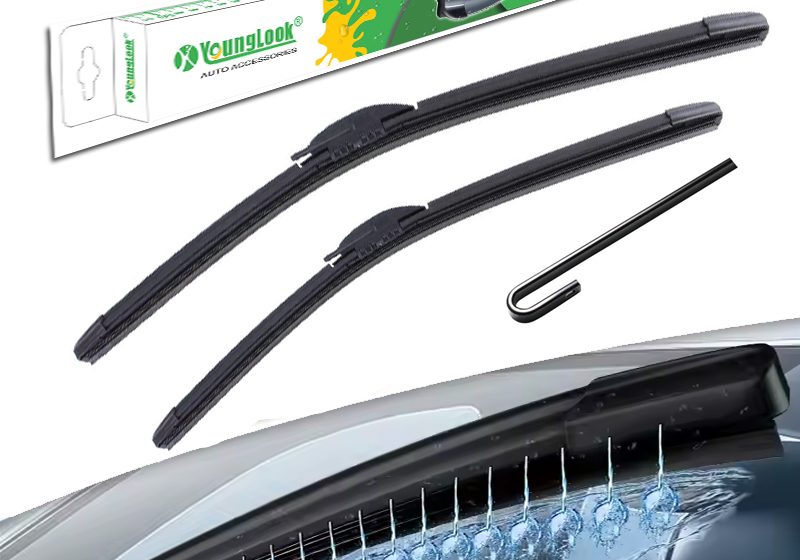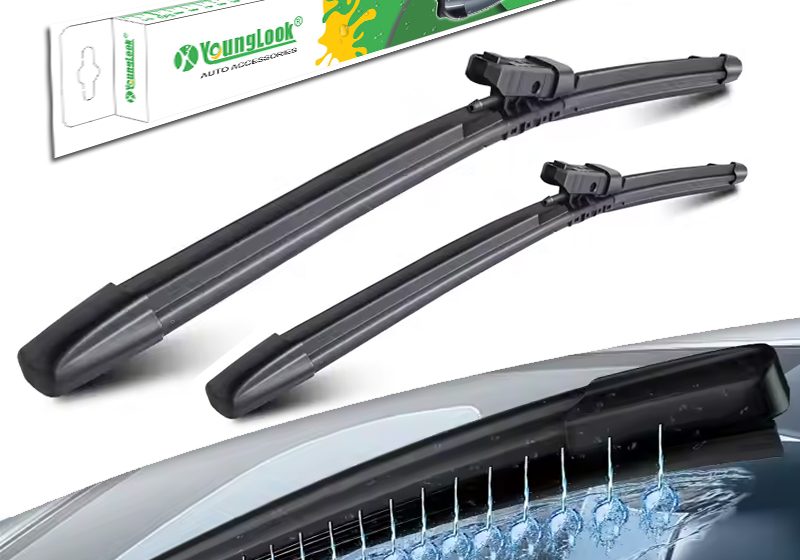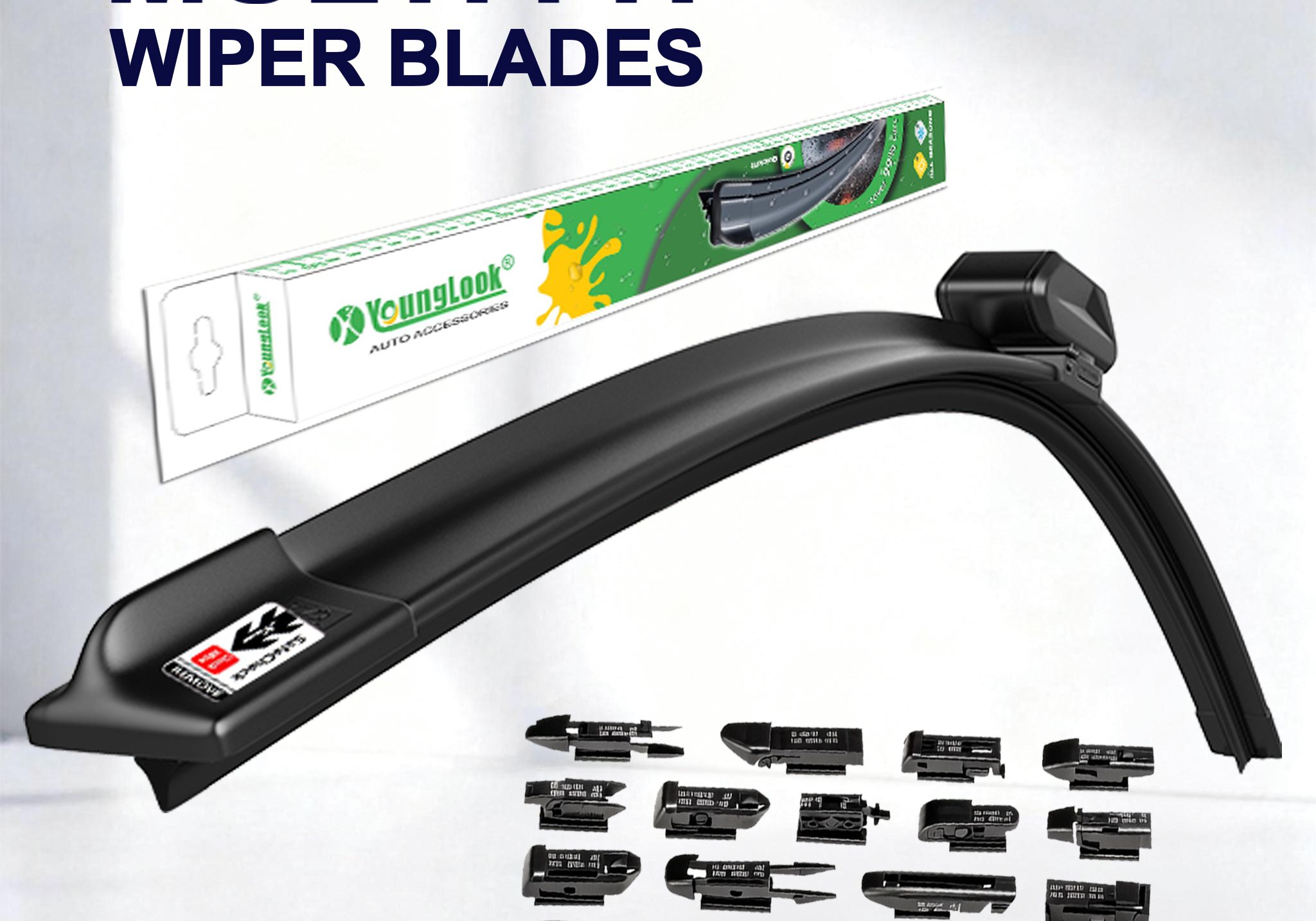
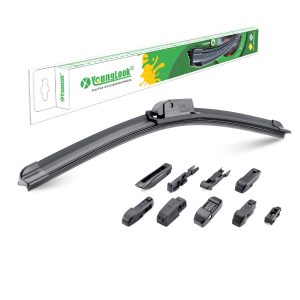
Choosing the right windshield wiper blades is about more than finding the correct length or selecting a well-known brand. For drivers, fleet operators, automotive aftermarket distributors and professional wiper blade buyers, climate, rubber compound, blade construction, testing standards, manufacturing consistency and expected service life all affect real-world performance.
A wiper blade that performs well in a temperate climate may not deliver the same service life in a hot, high-UV environment. Likewise, a blade designed for heavy rain may require different material and structural characteristics from one intended for cold or snowy markets.
For B2B buyers, the question is even broader: How can you determine whether a wiper blade manufacturer can consistently deliver the quality demonstrated by its samples?
This guide explains how climate affects wiper blade materials, how professional wiper blade quality should be tested, how rubber and silicone wiper blades compare, how long windshield wipers typically last, and what distributors and importers should evaluate when choosing a reliable wiper blade supplier.
Why Climate Matters When Choosing Wiper Blades
Windshield wiper blades operate directly against the windshield and are continuously exposed to sunlight, water, temperature changes, road contamination, washer fluid and, in some environments, snow and ice.
As a result, the operating climate can have a major effect on wiper blade durability.
How Temperature Affects Wiper Rubber
Temperature affects the flexibility and mechanical behavior of rubber.
In extremely cold environments, a wiper blade needs to maintain sufficient flexibility to conform to the windshield. A rubber compound that becomes excessively stiff at low temperatures may contribute to skipping, incomplete wiping or increased noise.
High temperatures create a different challenge. Continuous heat exposure can accelerate material aging, particularly when combined with UV radiation and ozone.
For this reason, professional wiper blade development should consider the intended operating environment rather than evaluating a rubber compound only under room-temperature conditions.
How UV Radiation and Ozone Accelerate Aging
Sunlight and environmental ozone can contribute to deterioration of rubber components over time.
Cracking, hardening and loss of wiping-edge flexibility are common signs of aging. SAE J903 includes environmental resistance considerations, including ozone and temperature-related testing, within its windshield wiper system testing framework.
This is particularly important for vehicles operating in regions with strong sunlight and high temperatures.
Rain, Snow and Road Contamination
Climate is not limited to temperature.
Heavy rain places greater demand on wiping performance, while snow and ice create mechanical stress during winter use. Dust, sand, insects, road film and other contaminants can also accelerate wear of the wiping edge.
For aftermarket wiper blade suppliers, understanding the target market is therefore essential before selecting the rubber compound, coating and blade construction.
How to Choose Wiper Blade Materials for Specific Climates
There is no single material that is universally the best windshield wiper blade material for every climate.
The correct choice depends on rubber formulation, surface treatment, blade construction, vehicle application, expected service life and target price.
Wiper Blades for Hot and Sunny Climates
Hot and sunny markets can expose wiper blades to high temperatures, intense UV radiation and ozone.
For these applications, buyers should pay particular attention to:
UV resistance
- Ozone resistance
- Heat aging
- Rubber flexibility after aging
- Surface cracking
- Wiping-edge durability
A high-quality rubber compound with appropriate aging resistance can perform effectively in hot climates. Silicone formulations may also be considered for premium applications where environmental resistance and product positioning justify a higher cost.
Wiper Blades for Cold and Snowy Climates
Cold-weather markets place additional demands on the wiper blade.
Low-temperature flexibility is important because the wiping edge must remain capable of following the windshield surface. Winter conditions can also expose the blade and adapter system to snow, ice and freeze-thaw cycles.
For these markets, buyers should consider:
- low-temperature flexibility
- ice resistance
- rubber durability
- adapter protection
- frame or beam construction
- resistance to snow buildup
The correct design depends on the vehicle and market. A premium winter application may require different construction from a standard aftermarket blade.
Wiper Blades for Dry, Dusty and Desert Climates
Desert and dusty environments create a combination of UV exposure, heat and abrasive contamination.
Sand and dust can increase wear at the wiping edge, particularly when the windshield is not adequately cleaned before wiping.
For these markets, buyers should pay attention to rubber wear resistance, surface treatment, edge durability and overall blade construction.
Wiper Blades for Temperate and Mixed Climates
For markets with moderate seasonal variation, balanced performance may be more important than optimizing the blade for one extreme condition.
A well-formulated rubber compound, appropriate coating, consistent spring characteristics and reliable adapter fit can provide an effective solution for broad aftermarket applications.
How to Choose the Right Wiper Blade Material
When buyers compare windshield wiper blades, the discussion often becomes “rubber vs. silicone.”
The reality is more complicated.
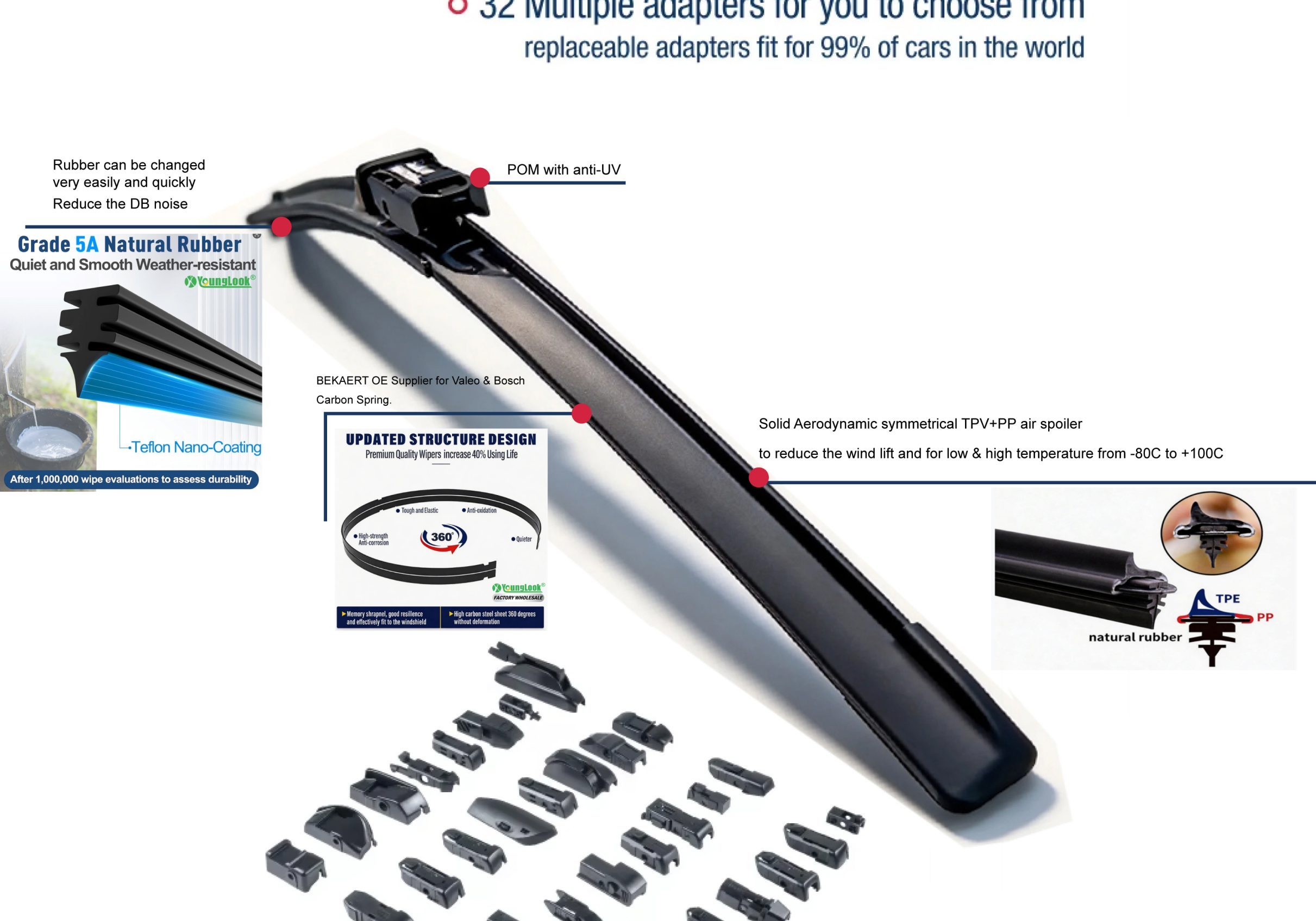
Material selection should be considered together with formulation, coating, blade geometry, spring force, pressure distribution and manufacturing consistency.
Natural Rubber Wiper Blades
Natural rubber remains an important material in the automotive wiper blade industry because of its flexibility, wiping performance and cost efficiency.
However, “natural rubber” alone does not define product quality.
Two wiper blades can both be described as natural rubber products while having significantly different performance because of differences in formulation, hardness, processing, coating and quality control.
For high-volume automotive aftermarket programs, properly formulated rubber can provide an excellent balance between performance and cost.
Synthetic Rubber Compounds
Synthetic rubber compounds can be formulated to provide specific performance characteristics.
Depending on the application, manufacturers may optimize the compound for:
- temperature resistance
- ozone resistance
- wear resistance
- lexibility
- compression behavior
- chemical resistance
- long-term aging
This is why professional buyers should ask suppliers for material specifications rather than relying only on a generic material description.
Silicone Wiper Blades
Silicone wiper blades are generally positioned toward premium or specialized applications.
Silicone formulations can offer useful characteristics related to environmental exposure and temperature resistance, but that does not mean every silicone wiper blade will automatically outperform every rubber blade.
The final result depends on formulation, manufacturing quality, wiping-edge design, surface treatment and the rest of the blade construction.
Coatings and Surface Treatments
The wiping edge and its surface treatment can influence friction, noise, wiping smoothness and durability.
Commonly discussed surface treatments include graphite and other low-friction coatings.
For B2B buyers, it is more useful to ask what the coating is designed to achieve than simply asking whether a product is “coated.”
Material Is Only One Part of Wiper Blade Performance
A high-quality rubber compound cannot compensate for poor blade geometry, incorrect pressure distribution, inconsistent spring steel, poor adapter fit or inadequate assembly.
Professional wiper blade development therefore needs to consider the entire product system.
Rubber vs. Silicone Wiper Blades: Which Is Better?
When Rubber Wiper Blades Make Sense
Rubber remains a practical choice for distributors that need competitive pricing, broad vehicle coverage and reliable wiping performance.
A properly engineered rubber wiper blade can provide strong performance without the additional material cost associated with premium silicone products.
When Silicone Wiper Blades May Be Preferred
Silicone may be attractive for premium aftermarket programs where buyers are willing to pay more for specific material characteristics or product positioning.
However, suppliers should be able to explain the actual performance benefits instead of simply using “silicone” as a marketing term.
The Best Material Depends on the Market
For a B2B wiper blade supplier, the correct question is not:
“Which material is the best?”
A better question is:
“Which material and formulation provide the right performance-to-cost ratio for this climate, vehicle fleet and market?”
That approach helps distributors avoid unnecessary material costs while maintaining product quality.
What Makes a Wiper Blade Manufacturer Reliable?
A professional wiper blade manufacturer should be able to demonstrate control over the entire manufacturing process.
Material Traceability
A reliable supplier should know where critical raw materials come from and how they are controlled.
For rubber products, this can include material specifications, batch identification and physical-property controls.
Incoming Material Inspection
Quality should begin before production.
Incoming inspection can include:
rubber material checks
spring steel inspection
plastic component inspection
adapter inspection
coating/material verification
Production Process Control
Mass production introduces variables that do not necessarily appear in a single sample.
Professional manufacturers need process controls for molding, extrusion, cutting, assembly, coating, spring installation and adapter assembly.
Dimensional and Fit Inspection
Small dimensional differences can affect:
blade curvature
pressure distribution
adapter engagement
windshield contact
installation
For multi-SKU aftermarket programs, dimensional consistency is especially important.
Final Performance Inspection
Final QC should not be limited to visual appearance.
Depending on the product and buyer requirements, final inspection can include:
appearance
dimensions
adapter fit
rubber edge condition
assembly quality
functional wiping checks
packaging
labeling
How Should Wiper Blade Quality Be Tested?
Wiping performance
A professional test program can evaluate:
Streaking
Smearin
Chattering
Skipping
Water removal
Contact consistency
Durability after repeated wiping
SAE J903 provides a recognized framework for windshield wiper system performance and test procedures. The current revision is J903_202410.
Wiped-area performance
The U.S. Federal Motor Vehicle Safety Standard FMVSS No. 104 contains requirements for windshield wiping and washing systems.
For passenger cars, the regulation specifies minimum wiped percentages for defined windshield areas. For example, the regulation lists minimum values of 80%, 94%, and 99% for Areas A, B, and C respectively under one of the passenger-car categories, with the exact requirements varying according to vehicle width and defined test geometry.
This is a useful reminder for buyers:
“Good wiping” should be evaluated using defined performance criteria, not only visual impressions.
Rubber durability testing
Depending on the target market, buyers may request:
Ozone resistance
UV resistance
Tensile strength
Hardness
Temperature aging
Abrasion
Surface coating durability
Endurance testing
Long-duration wiping tests can be useful for evaluating performance consistency.
For example, HELLA publicly states that its CLEANTECH 3.0 wiping performance and contact consistency were tested over 1,000,000 wiping cycles. This is a manufacturer-specific test claim and should not be interpreted as a universal industry requirement.
This distinction is important.
A test result from one manufacturer is evidence about that manufacturer’s product; it is not automatically a standard for every wiper blade.
UV, Heat Aging and Weathering Tests
Accelerated weathering can help evaluate how rubber behaves under simulated environmental exposure.
Testing programs may include:
UV/weathering exposure
heat aging
compression set
physical property changes
surface cracking
For material-level testing, laboratories such as ACE list heat aging, ozone exposure and weathering among their rubber testing capabilities.
Chemical Resistance Testing
Wiper blades can encounter washer fluid, road contamination and other chemicals.
Chemical resistance testing helps evaluate whether exposure can cause unacceptable deterioration in the rubber or other components.
Noise and Friction Testing
A blade that removes water effectively but produces excessive chatter or squealing may still be unacceptable in a premium aftermarket program.
Friction testing can help manufacturers understand the relationship between surface treatment, wear, chatter and squeal. ACE Laboratories specifically lists coefficient-of-friction testing for these purposes.
High-Speed and Wind-Lift Testing
At highway speeds, aerodynamic forces can affect blade contact with the windshield.
SAE J903 includes a wind-lift test procedure that evaluates the cleared area and observes phenomena such as ballooning, scalloping and chatter under increased relative airspeed.
This is particularly important for beam wiper blades and other aerodynamic windshield wiper designs.
Adapter and Fit Testing
Material performance is not enough.
The blade must correctly connect to the vehicle’s wiper arm.
A professional wiper blade testing program should therefore consider:
adapter compatibility
locking reliability
installation
removal
arm connection
blade curvature
windshield contact
For B2B buyers, compatibility testing is particularly important when supplying multi-fit or multi-adapter wiper blades.
What Makes a Wiper Blade Manufacturer Reliable?
A professional wiper blade manufacturer should be able to demonstrate control over the entire manufacturing process.
Material Traceability
A reliable supplier should know where critical raw materials come from and how they are controlled.
For rubber products, this can include material specifications, batch identification and physical-property controls.
Incoming Material Inspection
Quality should begin before production.
Incoming inspection can include:
rubber material checks
spring steel inspection
plastic component inspection
adapter inspection
coating/material verification
Production Process Control
Mass production introduces variables that do not necessarily appear in a single sample.
Professional manufacturers need process controls for molding, extrusion, cutting, assembly, coating, spring installation and adapter assembly.
Dimensional and Fit Inspection
Small dimensional differences can affect:
blade curvature
pressure distribution
adapter engagement
windshield contact
installation
For multi-SKU aftermarket programs, dimensional consistency is especially important.
Final Performance Inspection
Final QC should not be limited to visual appearance.
Depending on the product and buyer requirements, final inspection can include:
appearance
dimensions
adapter fit
rubber edge condition
assembly quality
functional wiping checks
packaging
labeling
How Should B2B Buyers Evaluate a Wiper Blade Supplier?
Check material specifications
Do not ask only:
“Is the rubber good?”
Ask:
What rubber compound is used?
What is the hardness range?
What coating is available?
What spring steel is used?
How are incoming materials inspected?
Can test reports be provided?
Check adapter engineering
Ask for:
Adapter list
Drawings where appropriate
Compatibility information
Sample validation
Installation instructions
Check manufacturing capacity
A supplier should be able to explain:
Production capacity
Number of production lines
Assembly capability
Tooling capability
Lead time
MOQ
Quality-control process
Check batch consistency
For large orders, batch consistency is one of the most important purchasing criteria.
A buyer should ask:
How do you ensure that the product supplied six months from now has the same specifications as the approved sample?
The answer should involve controlled materials, tooling, production procedures, inspection, testing, and traceability—not simply “we check every order.”
Why Manufacturing Consistency Matters More Than One Good Sample
For B2B buyers, this may be the most important difference between a sample supplier and a reliable long-term wiper blade manufacturer.
One good sample proves that a factory can make one good blade. Manufacturing consistency proves that it can repeatedly make thousands of good blades.
One good sample proves that a factory can make one good blade. Manufacturing consistency proves that it can repeatedly make thousands of good blades.
Sample quality is only the beginning
Many buyers evaluate a supplier by ordering a few samples.
This is useful, but it is not enough.
A sample demonstrates:
What the supplier can make.
A stable mass-production system demonstrates:
What the supplier can make repeatedly.
What causes batch variation?
Potential causes include:
Rubber compound variation
Spring steel variation
Tool wear
Injection-molding variation
Extrusion variation
Assembly variation
Adapter dimensional variation
Operator differences
Packaging mistakes
A professional factory should have procedures to identify and control these variables.
The real B2B quality question
For distributors, quality should be viewed as:
Specification → Process → Inspection → Testing → Consistency
rather than:
Sample → Price → Order
This is particularly important for private-label brands, because the distributor’s reputation is ultimately attached to the product.
Why QC Records Matter
For serious B2B procurement, the supplier’s quality system can be as important as the sample itself.
Buyers should ask about:
incoming inspection
process inspection
final inspection
material traceability
test records
corrective actions
batch identification
complaint handling
A supplier that can clearly explain these processes demonstrates a much stronger manufacturing capability than one that simply says “our quality is very good.”
How Long Do Windshield Wipers Last?
There is no universal replacement interval for every windshield wiper blade.
Climate, UV exposure, temperature, wiping frequency, windshield contamination and material formulation can all affect service life.
As a practical maintenance guideline, drivers are often advised to inspect their wiper blades regularly and replace them when performance deteriorates. Rece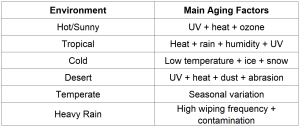 nt automotive guidance recommends checking wipers around every six months and replacing them around a year as a general reference, while replacing them sooner when symptoms such as streaking, skipping or noise appear.
Average Wiper Blade Lifespan
For consumers, approximately one year can be used as a general maintenance reference, but this should not be treated as a guaranteed product lifespan.
A vehicle operating outdoors in intense sunlight may require more frequent replacement than one operating in a mild climate.
Signs That Wiper Blades Need Replacement
Common warning signs include:
streaks
smearing
skipping
chattering
squeaking
unwiped areas
visible cracks
hardened rubber
damaged wiping edges
These symptoms can indicate rubber aging, contamination, loss of flexibility or mechanical problems.
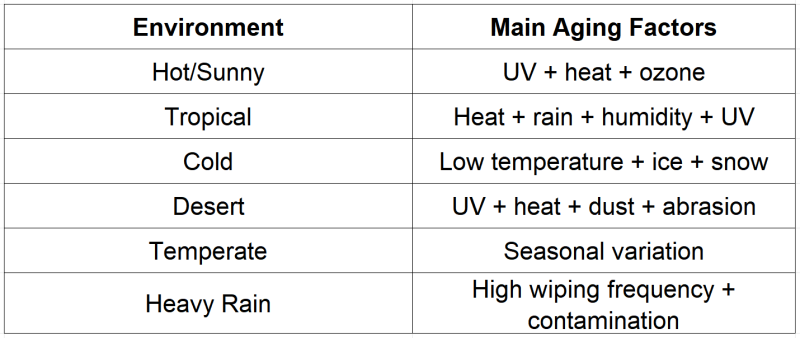
How Climate Shortens Wiper Blade Life
A simplified comparison is useful:
Does Silicone Last Longer Than Rubber?
Silicone can provide strong environmental and temperature characteristics, but it would be inaccurate to promise that every silicone wiper blade will automatically last longer than every rubber blade.
Service life depends on material formulation, design, manufacturing quality, coating, climate and actual use.
How to Extend Wiper Blade Life
Drivers can improve service life by:
cleaning the windshield regularly
removing heavy contamination before wiping
avoiding wiping a heavily iced windshield
keeping the rubber edge clean
replacing damaged blades promptly
using appropriate washer fluid
For B2B buyers, however, long-term durability ultimately depends on the quality of the blade itself and the manufacturing process behind it.
How Should B2B Buyers Evaluate a Wiper Blade Supplier?
Choosing a wiper blade supplier is not simply a price comparison.
For distributors, importers, retailers and private-label brands, supplier capability directly affects product returns, customer complaints, inventory risk and brand reputation.
Evaluate Product Quality
Ask the supplier:
What rubber compounds are available?
What coatings are available?
How is rubber hardness controlled?
What blade constructions do you manufacture?
What vehicle applications are supported?
What adapters are available?
Evaluate Testing Capability
Ask whether the supplier can provide:
initial wiping test results
durability test data
ozone resistance data
UV/weathering results
temperature testing
chemical resistance testing
fit and adapter testing
Not every supplier needs to perform every test in-house, but a professional supplier should understand the purpose of the relevant tests and be able to provide appropriate documentation when required.
Evaluate Manufacturing Capacity
For a B2B wiper blade program, production capacity matters.
Buyers should understand:
factory production capacity
production lead time
MOQ
SKU management
production scheduling
peak-season capacity
quality control during mass production
Evaluate OEM and Private Label Capability
For brands and distributors, OEM/ODM capability can be an important differentiator.
A capable wiper blade manufacturer may support:
custom packaging
private label
custom adapters
logo printing
product customization
drawings or sample-based development
SKU development
packaging specifications
Evaluate Quality Control Systems
Ask how the factory controls quality from incoming materials through final packaging.
A supplier that can explain its QC process clearly is usually easier to manage over a long-term supply relationship.
Evaluate Communication and Technical Support
A good B2B supplier should be able to discuss technical issues with the buyer rather than only provide a price.
This becomes especially important when developing:
new vehicle applications
custom adapters
private-label programs
new rubber formulations
new blade designs
How to Choose the Right Wiper Blade for Your Market
The right windshield wiper blade is not necessarily the most expensive product.
It is the product whose material, construction, testing level and manufacturing quality match the climate, vehicle application and market requirements.
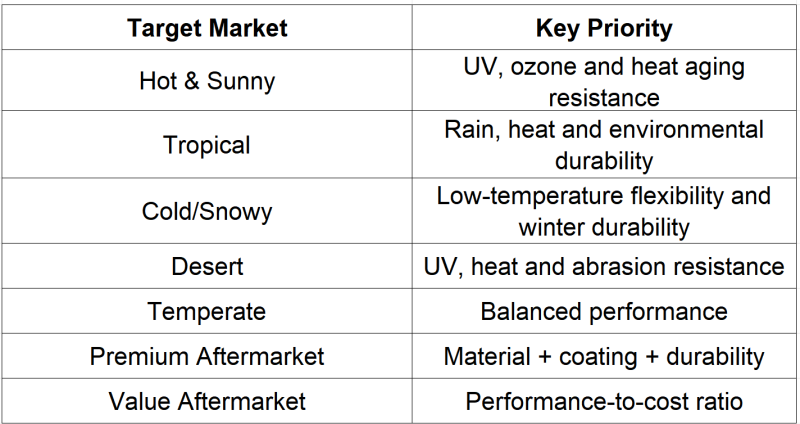
Match the Material to the Climate
Target Market Key Priority
Hot & Sunny UV, ozone and heat aging resistance
Tropical Rain, heat and environmental durability
Cold/Snowy Low-temperature flexibility and winter durability
Desert UV, heat and abrasion resistance
Temperate Balanced performance
Premium Aftermarket Material + coating + durability
Value Aftermarket Performance-to-cost ratio
Match the Blade Design to the Vehicle
A buyer should also consider whether the application requires:
beam wiper blades
conventional wiper blades
hybrid wiper blades
rear wiper blades
multi-fit wiper blades
vehicle-specific wiper blades
special adapters
The correct blade size and arm connection are essential, but size alone does not determine product quality.
Evaluate the Complete Supply Chain
For a professional B2B buyer, the final decision should consider:
Climate → Material → Blade Design → Testing → Manufacturing Consistency → Supplier Capability → Cost → Expected Service Life
This framework is much more reliable than choosing a supplier based only on the lowest quotation.
Conclusion: Choose Verified Wiper Blade Performance, Not Marketing Claims
Choosing the right windshield wiper blade requires more than comparing price, appearance or material labels.
Climate affects rubber aging. Material formulation affects flexibility and durability. Blade construction affects windshield contact and pressure distribution. Testing validates performance. Manufacturing consistency determines whether the quality of one sample can be reproduced across thousands of production units.
For consumers, the right wiper blade should match the vehicle and operating environment.
For distributors, importers, retailers and private-label brands, the decision should go further: evaluate the supplier’s material control, testing capability, production consistency, OEM/ODM capabilities, quality-control system and long-term supply capacity.
A professional wiper blade manufacturer should be able to discuss these factors with you using measurable specifications and practical engineering information—not simply marketing claims.
The best wiper blade is not necessarily the most expensive one. It is the one engineered and manufactured for the right application, climate and performance requirements.
FAQ
What is the best material for windshield wiper blades?
There is no single best material for every application. Rubber remains widely used because of its balance of wiping performance and cost, while silicone can be attractive for premium applications and certain environmental conditions. The formulation, coating, blade design and manufacturing quality should all be considered.
Are silicone wiper blades better than rubber wiper blades?
Not necessarily. Silicone can offer strong environmental and temperature characteristics, but a well-formulated rubber wiper blade can provide excellent wiping performance and cost efficiency. The best choice depends on the target market, climate, vehicle application and required service life.
How often should windshield wipers be replaced?
A common maintenance reference is around one year, but actual service life varies considerably. Drivers should inspect their wipers regularly and replace them sooner when they develop streaking, skipping, chattering, squeaking, smearing or visible cracking.
How do you test wiper blade durability?
Durability can be evaluated by repeatedly operating the wiper blade for a specified number of cycles and checking how wiping performance changes over time. Professional laboratories can perform durability testing over very large cycle counts. ACE Laboratories, for example, lists testing up to 1.5 million cycles.
What is SAE J903?
SAE J903 is a SAE Recommended Practice for ground vehicle windshield wiper systems. The current J903_202410 revision establishes minimum performance requirements and test procedures for passenger cars, light trucks and multipurpose vehicles within its defined scope.
What tests should a professional wiper blade manufacturer perform?
Depending on the application, testing can include initial wiping performance, durability, ozone resistance, temperature exposure, weathering, chemical resistance, friction, noise, high-speed behavior and fit/adapter evaluation.
How can B2B buyers evaluate a wiper blade supplier?
Buyers should evaluate more than the sample and quotation. Important factors include material control, testing capability, manufacturing consistency, production capacity, QC procedures, OEM/ODM capabilities, private-label support, MOQ, lead time and technical communication.
What should I ask a wiper blade manufacturer before placing an order?
Ask about rubber formulation, available blade designs, adapters, testing, QC procedures, MOQ, production capacity, lead time, packaging, private-label options and the supplier’s ability to maintain consistent quality during mass production.
Why is manufacturing consistency important for wiper blades?
A single good sample does not prove that a factory can maintain the same performance across thousands of units. Consistent material properties, dimensions, spring characteristics, adapters, assembly and QC procedures are essential for reliable B2B supply.
Can a factory develop custom wiper blades?
Professional OEM/ODM wiper blade manufacturers may be able to develop products based on drawings, samples, vehicle applications or specific adapter requirements. Buyers should confirm the supplier’s engineering, tooling and testing capabilities before starting a development project.
Related Articles
Silicone vs. Rubber Wiper Blades: Which Is More Effective?
How Are Windshield Wiper Blades Manufactured?
Beam vs. Hybrid vs. Conventional Wiper Blades: Which Is Right for Your Market?
How to Choose the Correct Windshield Wiper Blade Size
What Are the Best Windshield Wiper Blades for 2026?
OEM vs. Aftermarket Wiper Blades: What Is the Difference?
How to Evaluate a Wiper Blade Supplier for Your Automotive Aftermarket Business?
About the Author
YOUNGLOOK Technical & Product Team
YOUNGLOOK is a professional windshield wiper blade manufacturer specializing in aftermarket, OEM and private-label wiper blade solutions.
Our product development and manufacturing work covers rubber wiper blades, silicone wiper blades, beam wiper blades, hybrid wiper blades, conventional wiper blades, multi-fit wiper blades and vehicle-specific applications.
Our team focuses on material selection, wiper blade design, adapter development, manufacturing quality control and product performance for international automotive aftermarket markets.
This article is based on practical manufacturing and product-development knowledge together with publicly available automotive testing standards and technical references.
References
SAE International — J903_202410:Ground Vehicle Windshield Wiper Systems. The current SAE Recommended Practice establishes minimum performance standards and test procedures for applicable passenger-car, light-truck and multipurpose-vehicle windshield wiper systems.
SAE International — Wipers and Washers Standards. SAE’s current wiper standards information identifies J903_202410 as the current Ground Vehicle Windshield Wiper Systems Recommended Practice.
ACE Laboratories — Wiper Blade Testing. Covers initial wipe testing, durability testing, physical properties, ozone resistance, aging, weathering, friction and other wiper blade testing based on SAE J903.
ACE Laboratories — Wiper Blade Testing Laboratories. Provides information on initial wipe grading, durability cycles and SAE J903 environmental testing considerations.
Bosch Automotive Aftermarket — Wiper Blades: Development, Production and Quality Tests. Describes rubber compound analysis, environmental and ozone resistance, chemical exposure, abrasion, noise, high-speed behavior and durability testing.
Bosch Auto Parts — ICON Wiper Blade Technical Information. Provides examples of OE-specification ozone exposure testing and rubber technology used in premium wiper blade development.
ACE Laboratories — Physical Testing Laboratory. Lists rubber and silicone testing capabilities including abrasion, cold testing, heat aging, ozone exposure, weathering, tensile testing and wiper blade testing.
SAE J903_202410 — Wind Lift and Ozone Testing Procedures. The publicly accessible preview provides details on wind-lift and ozone testing procedures included in the standard.
YOUNGLOOK Technical & Product Team
YOUNGLOOK is a professional windshield wiper blade manufacturer specializing in aftermarket, OEM and private-label wiper blade solutions.
Our product development and manufacturing work covers rubber wiper blades, silicone wiper blades, beam wiper blades, hybrid wiper blades, conventional wiper blades, multi-fit wiper blades and vehicle-specific applications.
Our team focuses on material selection, wiper blade design, adapter development, manufacturing quality control and product performance for international automotive aftermarket markets.
This article is based on practical manufacturing and product-development knowledge together with publicly available automotive testing standards and technical references.
Need a Wiper Blade Manufacturer for Your Market?
If you are a wiper blade distributor, automotive parts importer, retailer, wholesaler or private-label brand, choosing the right factory can be as important as choosing the right product.
YOUNGLOOK provides OEM/ODM and private-label windshield wiper blade solutions, including beam, hybrid, conventional, multi-fit and vehicle-specific wiper blades.
We can discuss your target market, vehicle coverage, blade material, adapter requirements, packaging, MOQ and quality requirements before recommending a suitable product configuration.
Send us your vehicle application, blade size, sample, drawing or target market requirements.
Our team can help you evaluate the appropriate wiper blade material, construction and supply solution for your market.
Contact YOUNGLOOK for samples, product specifications and a B2B quotation.