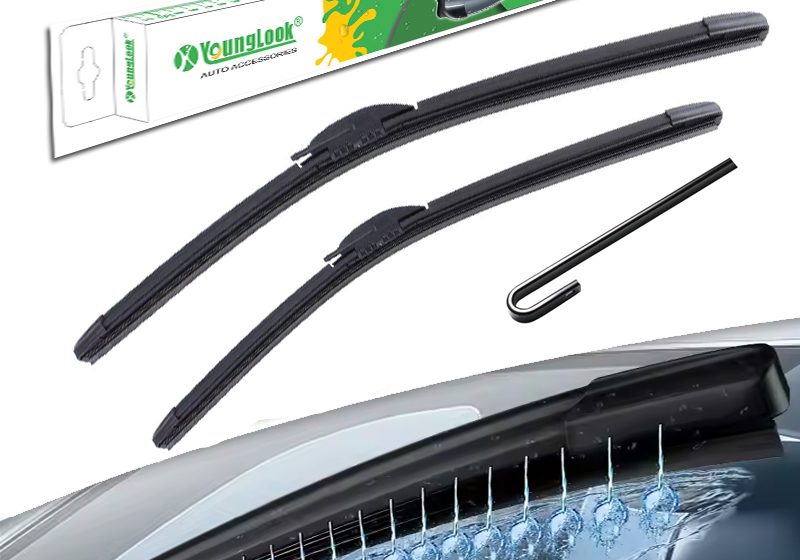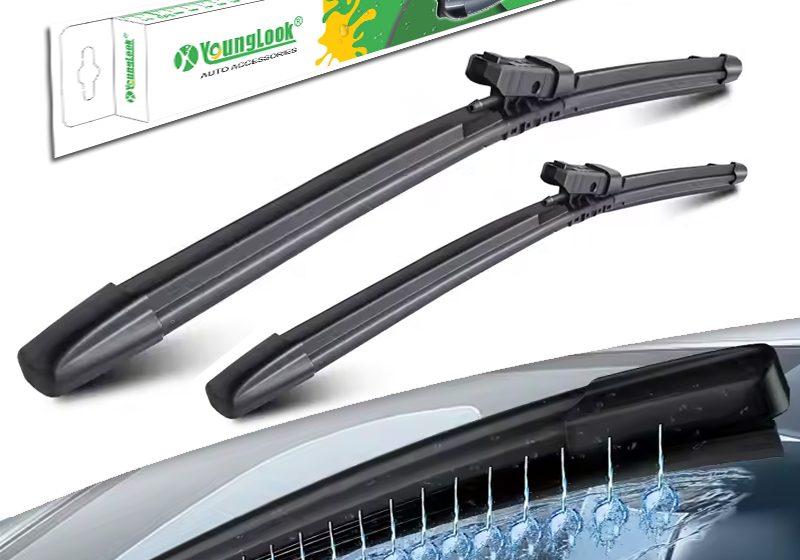
A wiper blade that clears rain well may struggle when slush freezes around its joints. Another may keep its structure moving but leave streaks because the wiping edge is damaged, the glass is contaminated or the connection is incorrect.
For a driver, that means poor visibility. For a distributor or private-label brand, it can mean fitting enquiries, replacement costs and customers losing confidence in the range.
The best windshield wiper blades for cold weather combine suitable structural protection, a rubber formulation evaluated for the intended conditions and correct vehicle fitment. Dedicated winter blades deserve consideration in regions with repeated snow and ice. A suitable all-season beam blade may be more practical where winters are mild.
This guide connects winter wiping problems with practical purchasing decisions: choosing the construction and material, confirming fitment, reviewing test evidence and preparing a range for wholesale or private-label sales.
A winter range must also arrive before the selling season. Products that fit correctly and perform as specified still need a sensible size mix, clear identification and a delivery plan that reflects your market.
1. Winter vs. All-Season Wiper Blades: What Is the Difference?
What makes a winter wiper blade different?
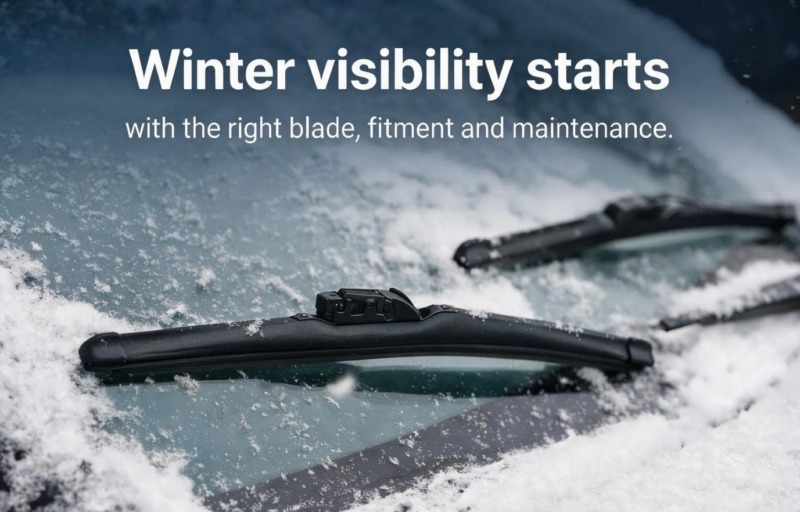
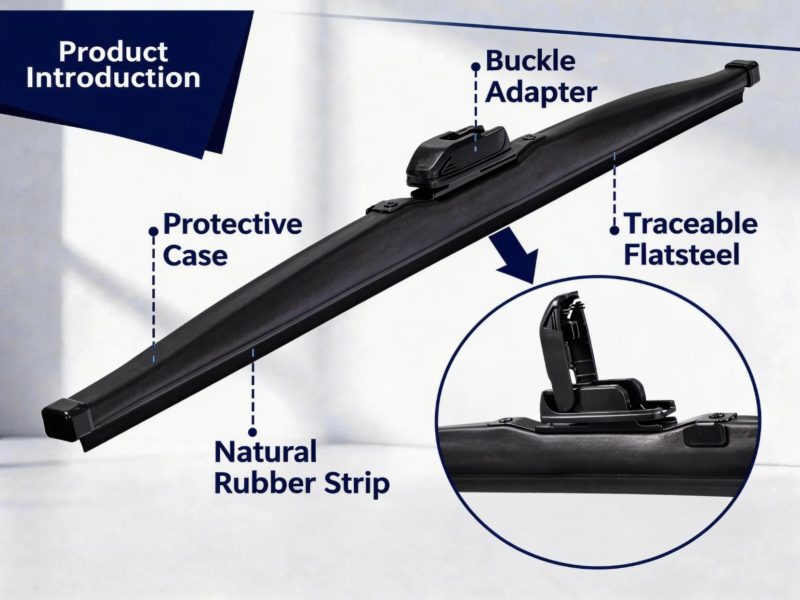
Winter wiper blades are designed to address problems associated with snow, ice and cold-weather operation. Depending on the model, this may involve a protective boot, an enclosed beam structure, a different wiping element or a combination of features.
NAPA Canada’s winter wiper guide discusses both booted frame blades and beam designs. These are distinct approaches to maintaining useful blade movement and glass contact.
For buyers, “winter” should start a specification discussion. Ask which features distinguish the proposed model and what evidence supports its intended use.
How a protective rubber boot helps
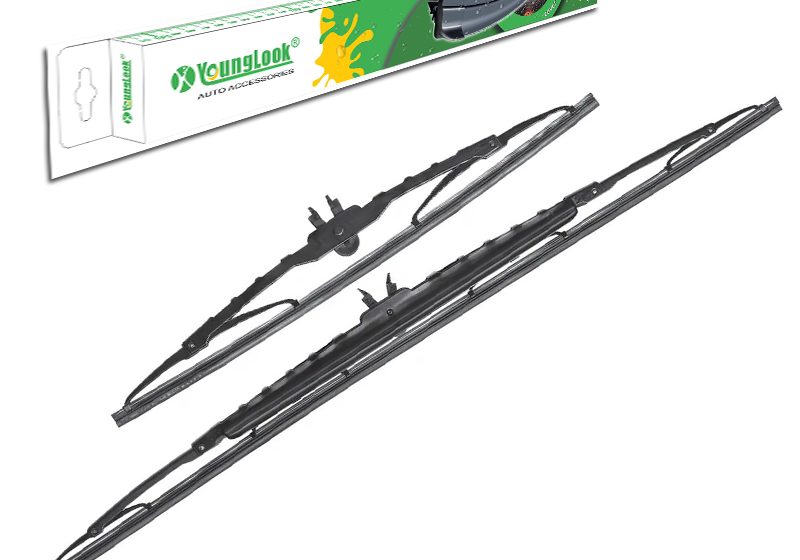
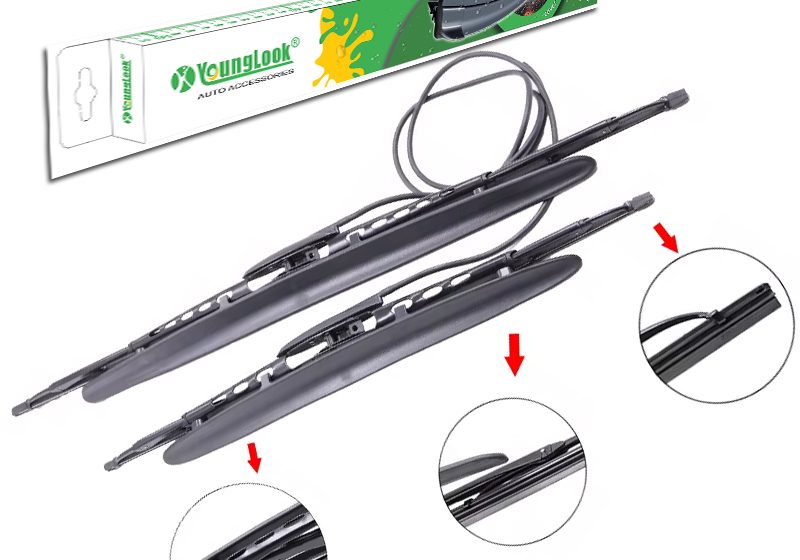
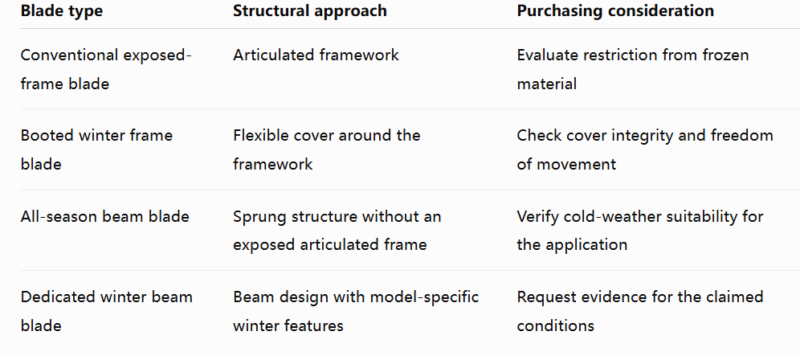
Conventional blades use an articulated frame to distribute force from the arm. Snow and slush can enter the exposed structure and freeze, restricting movement.
A flexible boot encloses that framework to help protect its joints. TRICO Chill is one example of this construction.
Inspect cover flexibility, seams and clearance on the intended vehicle. The cover must allow the blade to follow the windshield. Protection around the frame does not prevent the wiping edge from freezing to the glass.
Why all-season does not mean exposed-frame
“All-season” describes intended use; “beam” and “conventional” describe construction. An all-season blade may use either structure.
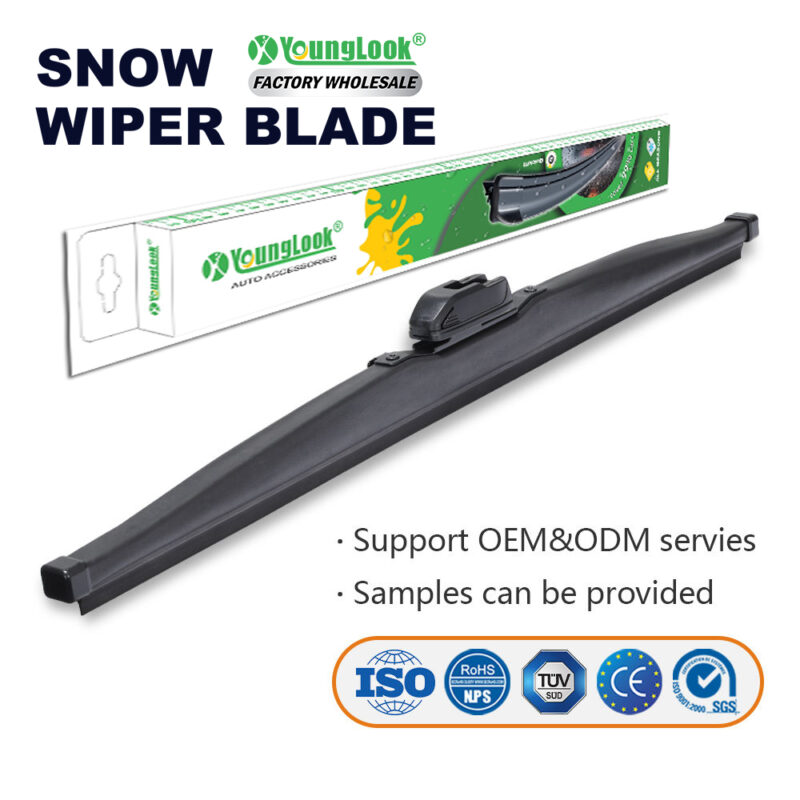
Beam blades replace the exposed articulated frame with a sprung structure. Dedicated winter beam models may add protection around that structure, as illustrated by YOUNGLOO ICE.
It is therefore inaccurate to compare every winter blade with an exposed-frame “regular” blade. Compare actual designs and specifications.
When dedicated winter blades are worth stocking
NHTSA recommends considering heavy-duty winter wipers in areas with substantial snow and ice.
For wholesalers, the decision should reflect regional demand. Repeated icing, customer complaints about blocked frames and a strong seasonal service market may justify a dedicated range. Occasional frost alone does not establish that every customer needs a separate winter product.
Explore YOUNGLOOK winter wiper blade options with the target market and vehicle requirements in mind.
2. What Are the Best Windshield Wiper Blades for Cold Weather?
Choose for the climate your customers actually encounter
Start with conditions rather than a brand ranking. A wet coastal winter, a mountain route with repeated icing and a region with sustained severe cold create different requirements.
TRICO’s blade selection guidance also relates selection to weather and use. For B2B purchasing, translate that principle into a written market brief.
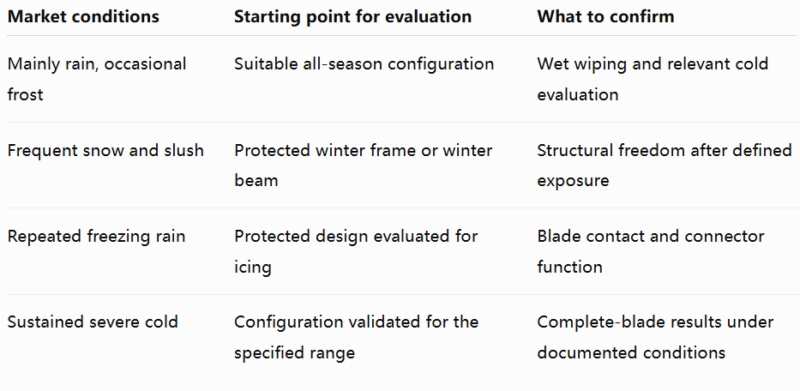
These are selection starting points, not temperature ratings for a particular product.
Evaluate the rubber formulation, not only its name
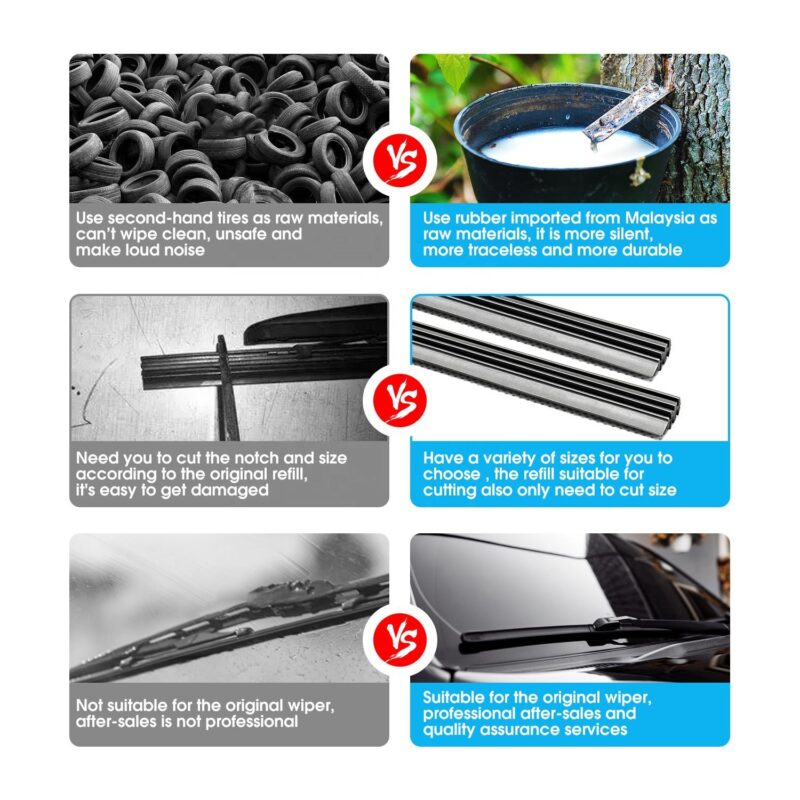
Natural rubber, synthetic blends and silicone formulations can differ substantially. The material label alone cannot establish how an assembled blade will perform.
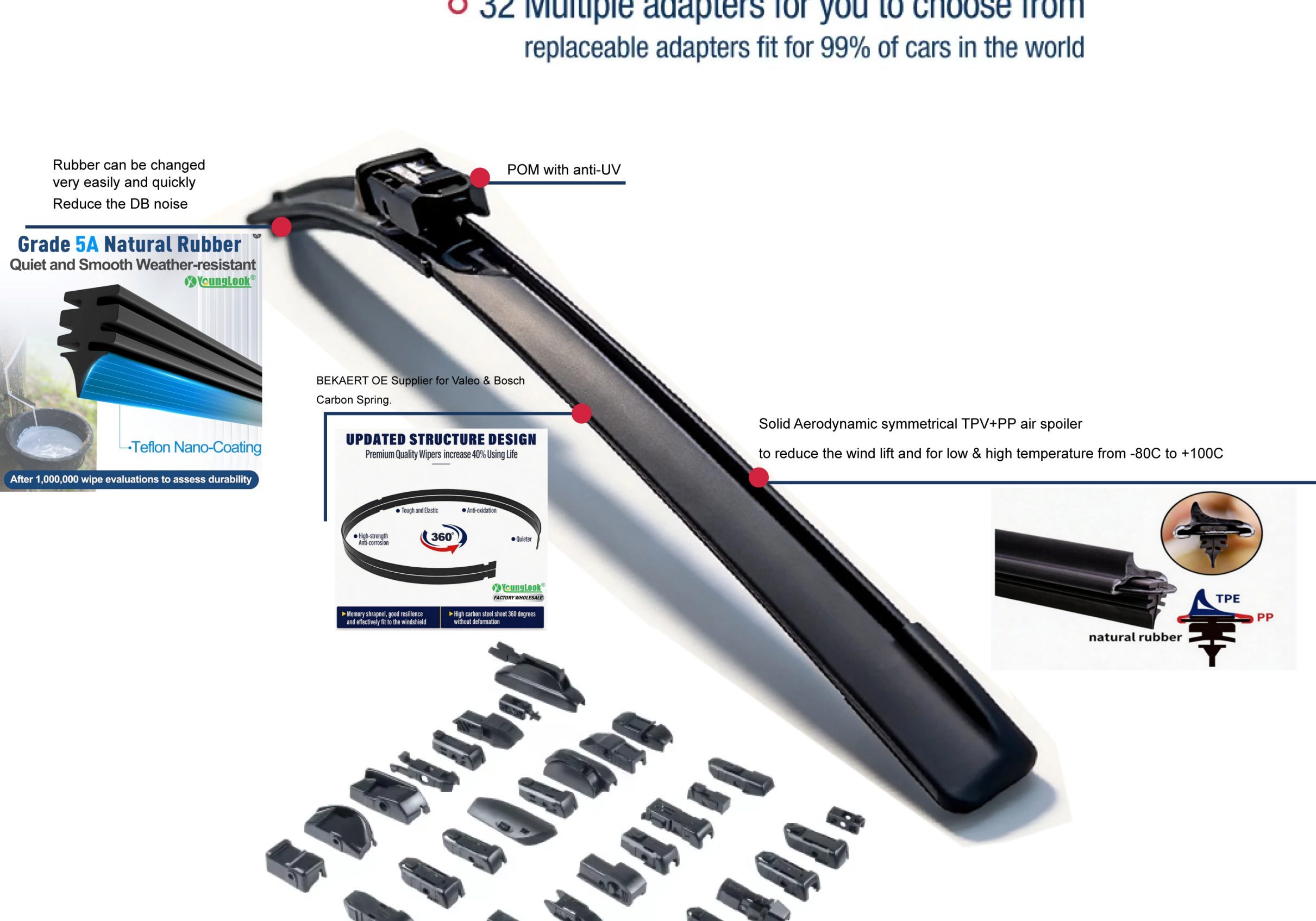
Ask about the proposed compound, wiping-edge geometry and performance after relevant conditioning. Compare candidates using the same glass preparation, liquid, vehicle or test fixture and acceptance criteria.
A well-specified natural-rubber option should not be rejected solely because another sample is labelled silicone. Equally, a premium material claim deserves supporting evidence. Our wiper rubber grades and coatings guide explains why grade descriptions need context.
Consider coatings, spring structure and glass contact together
Graphite or other surface treatments are used to manage friction, but coating terminology does not replace a finished-blade evaluation.
The spring profile, wiping element and windshield curvature must work together. A flexible rubber strip cannot correct an unsuitable blade profile, and a strong spring does not automatically produce better wiping.
For a beam programme, review flat wiper blade configurations against representative applications. Check the contact pattern through the sweep, including reversal and the blade ends.
Compare brands and private-label products by evidence
A recognised brand can make a range easier to identify and support. However, the purchase decision still concerns a specific model.
Compare fitment information, sample results, quotation inclusions and after-sales arrangements. A private-label range needs the same foundations: clear specifications, reliable identification and a repeatable approval process.
The best cold-weather blade for your programme is the one that meets the application requirement at a sustainable supplied cost. A universal “best brand” list cannot establish that for every market.
3. How to Confirm Wiper Sizes, Adapters and Installation
Build an application list before a size mix
Two blades of the same length may have different connectors, profiles or intended applications. Length is necessary information, but it does not confirm compatibility.
Record vehicle make, model, generation or production years, front blade lengths, rear requirements and arm connection. Check market-specific variations, including left-hand-drive and right-hand-drive configurations where relevant.
For a new range, prioritise applications supported by local vehicle population or workshop demand. A focused initial selection can provide more useful feedback than spreading quantities thinly across many unverified applications.
Keep rear blades in the plan where relevant. Front-blade adapter coverage does not establish rear-blade compatibility; confirm the rear connection and product reference separately.
Make adapter references clear
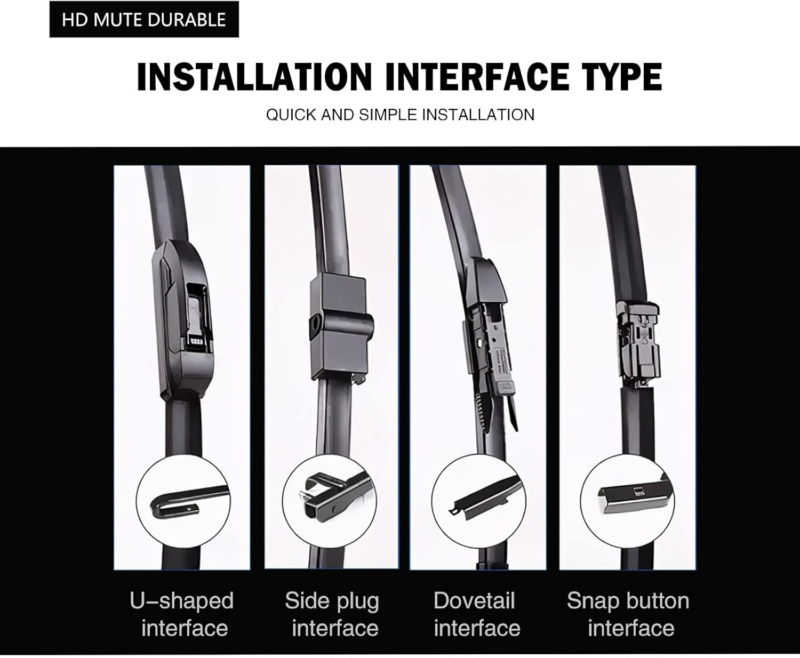
Terms such as push button, side pin and hook identify connection families. Dimensions and details within those families still matter.
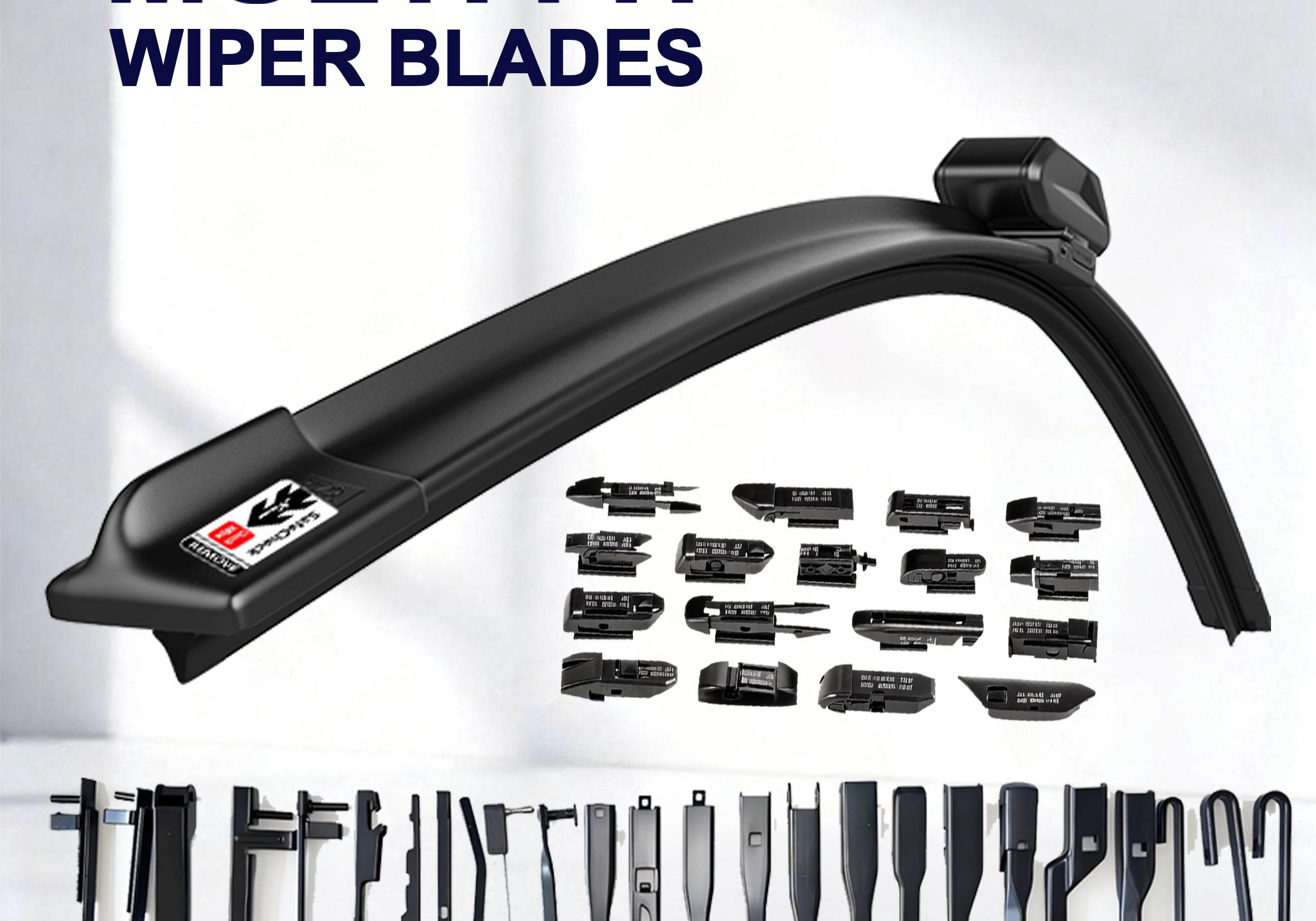
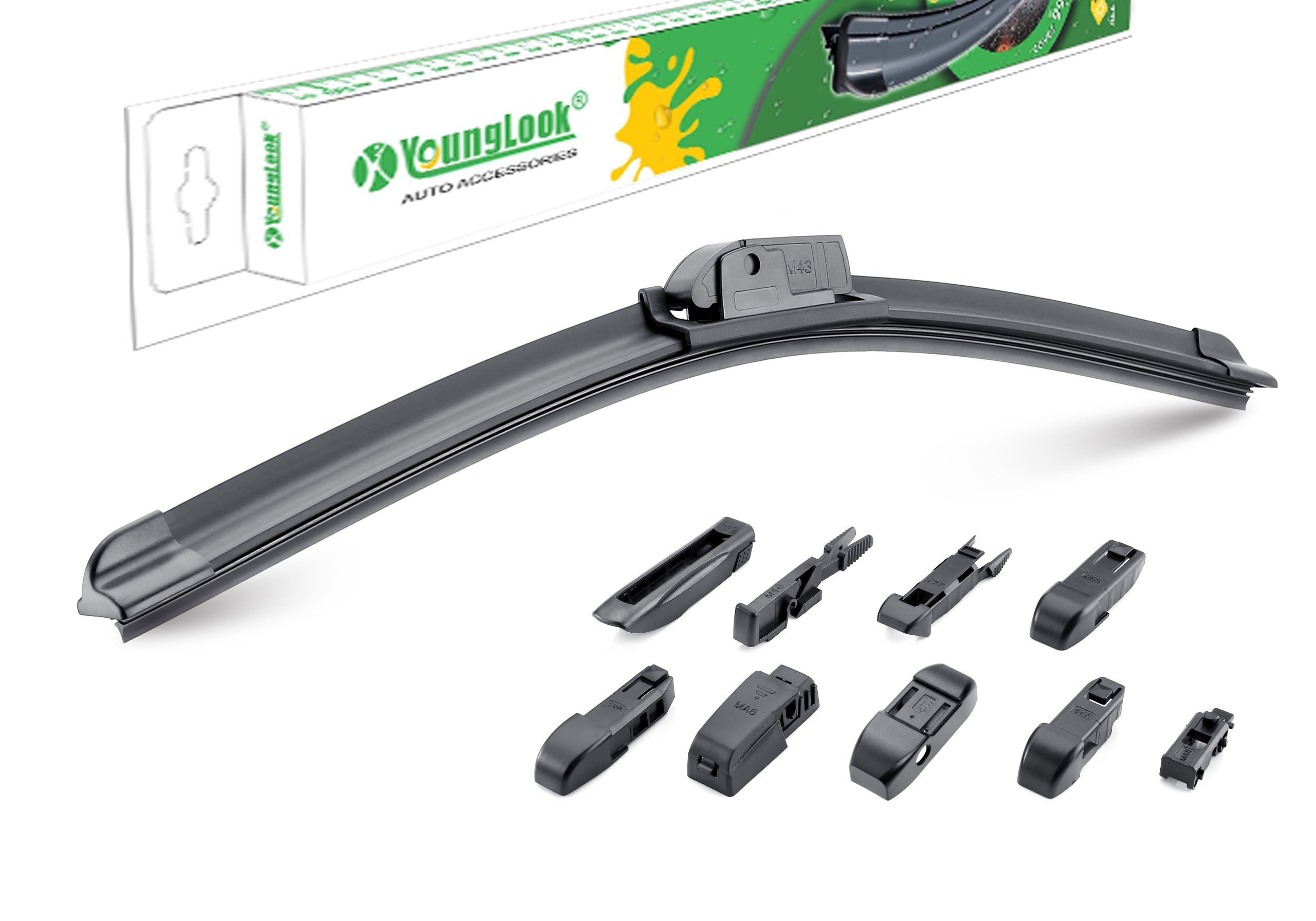
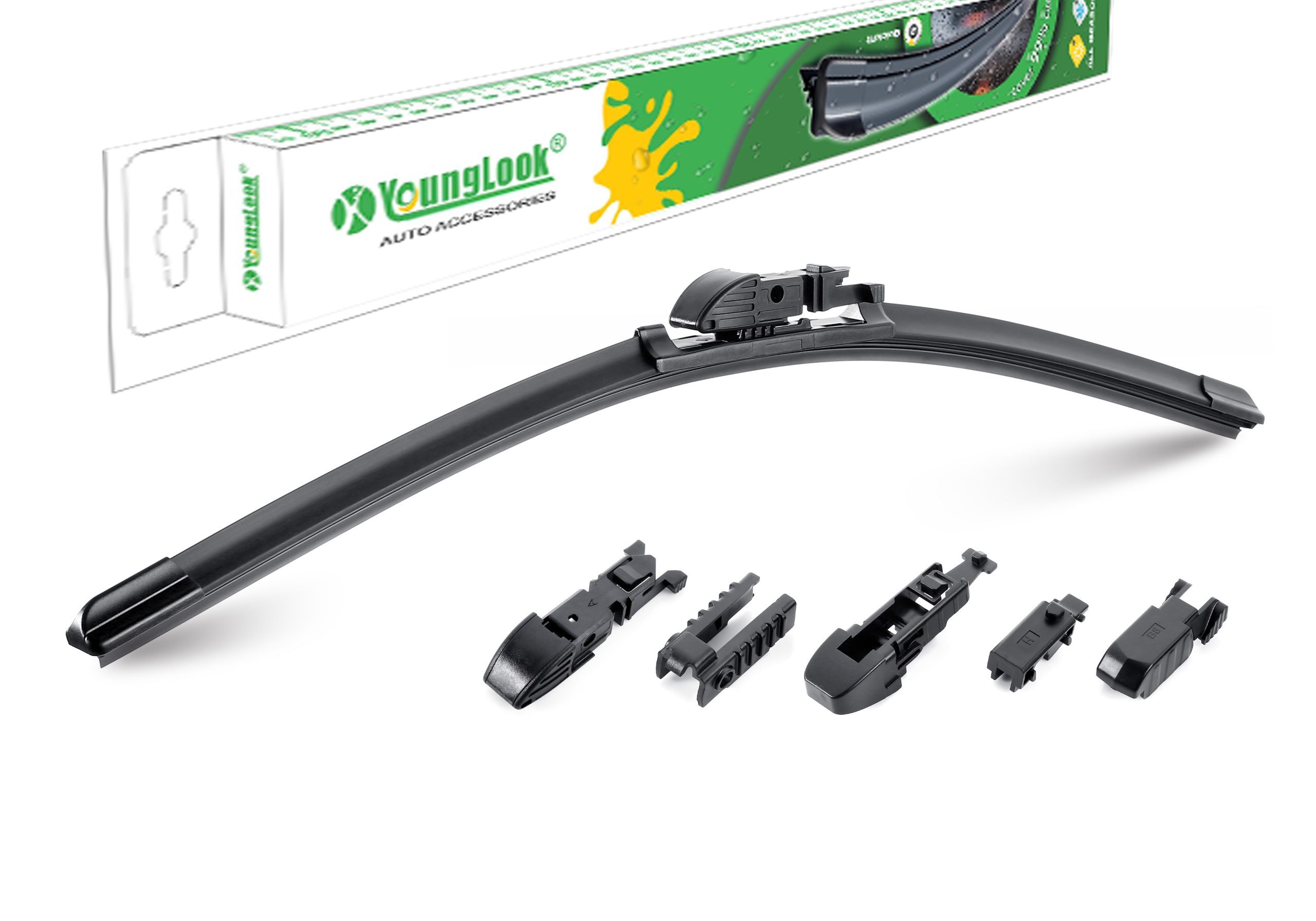
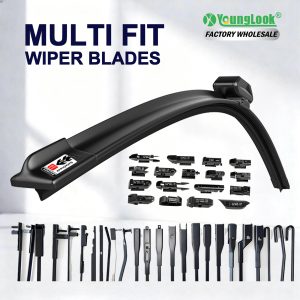
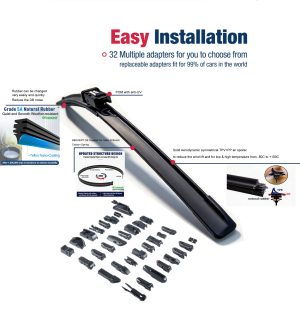
For multi-fit blades, request an adapter list showing the reference, connection type and validated applications. Specify whether adapters are pre-installed, packed with each blade or supplied separately.
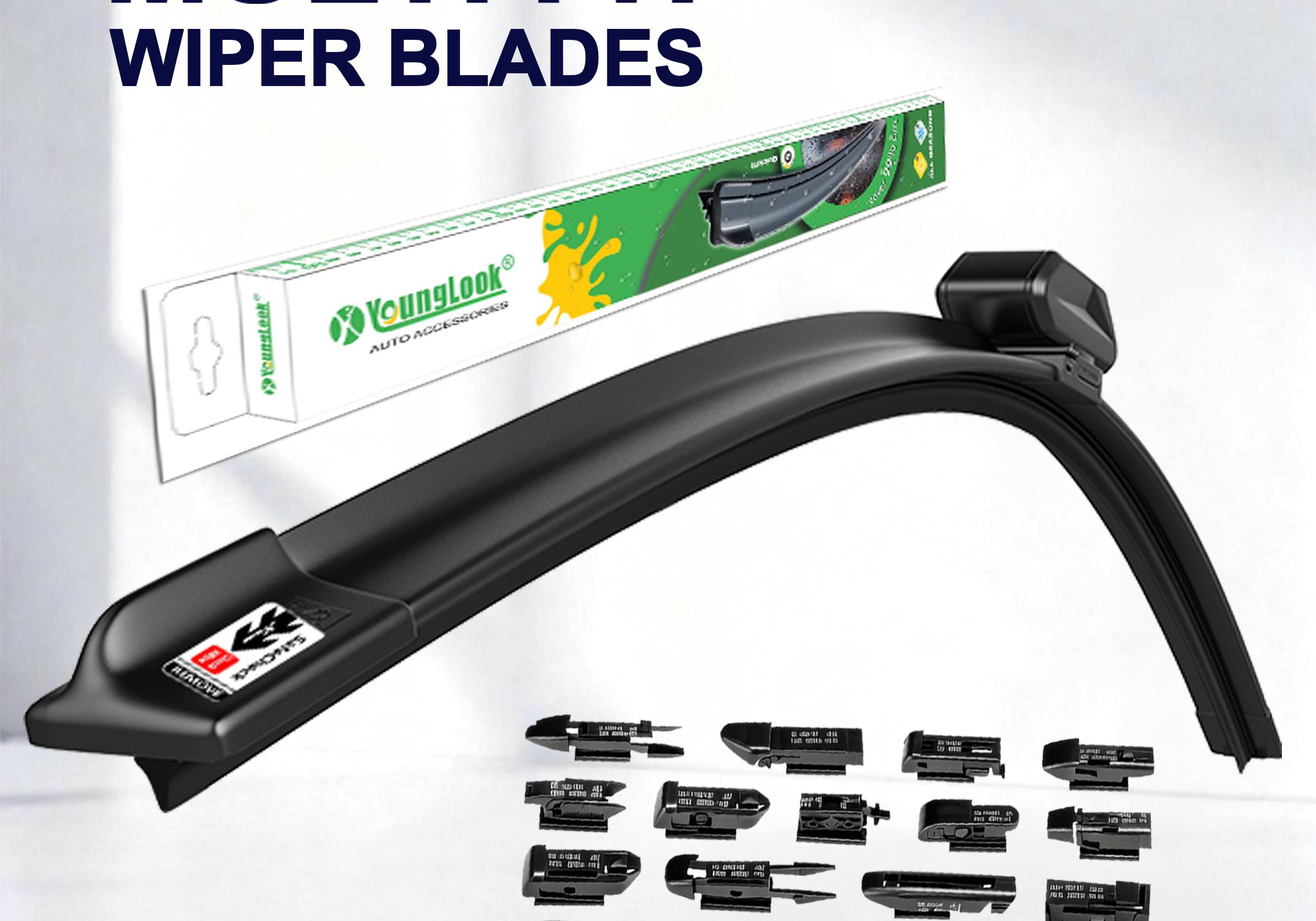
A multi-function silicone wiper with multiple adapters is an example of a configuration to review. Multiple adapters do not, by themselves, prove suitability for every vehicle or winter condition.
Provide installation guidance that matches the supplied product
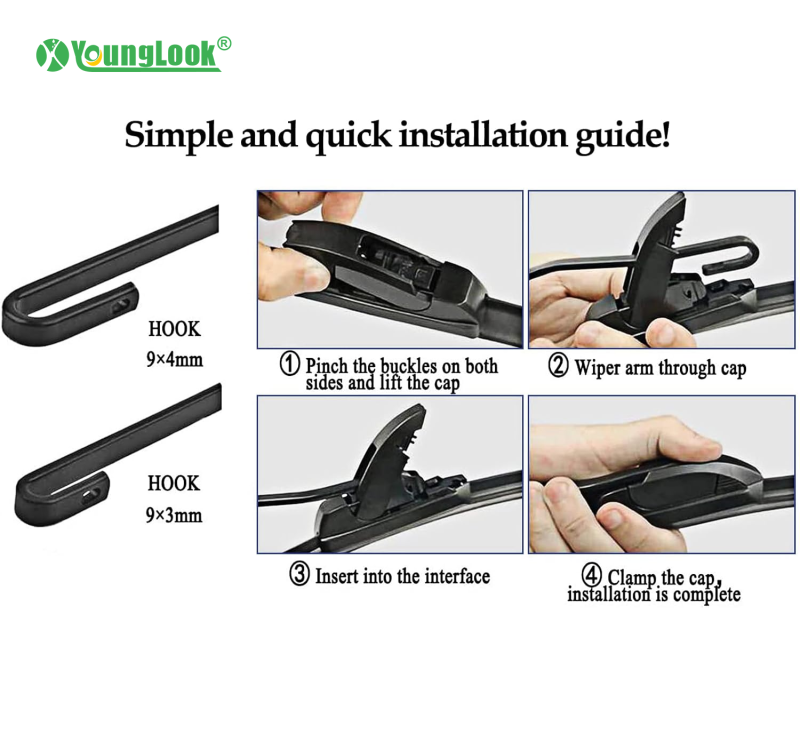
A generic video may show a different adapter from the one inside the box. Use instructions for the actual connection.
A practical installation sequence is:
- Check the vehicle application, blade lengths and adapter reference.
- Follow the vehicle manufacturer’s procedure for service position.
- Protect the glass while removing the old blade.
- Fit the new blade using its specific locking instructions.
- Confirm engagement and clearance, then check operation on wetted glass.
Cold-weather care should accompany fitting instructions: never operate blades that remain frozen to the windshield.
For background on articulated structures and their applications, see our conventional wiper blade buying guide.
4. Winter Wiper Maintenance, Common Problems and Summer Use
Clean before assuming that the blade is defective
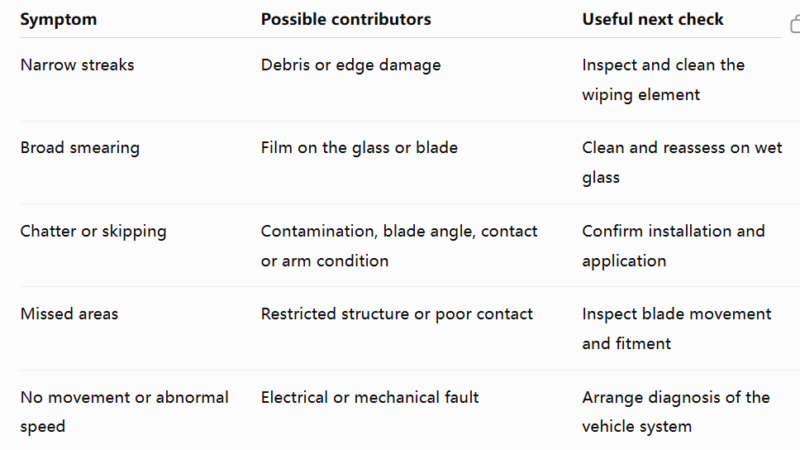
Streaking and noise are symptoms, not complete diagnoses. Contamination, edge damage, incorrect contact and vehicle condition can contribute.
General Motors’ maintenance bulletin recommends checking glass and blade cleanliness when investigating poor wiping.
Clean using products and methods appropriate for the vehicle and blade, then repeat the wet-wipe check. Avoid abrasive cleaning or unapproved solvents that could affect surfaces or treatments.
Prevent ice damage and use suitable washer fluid
OXIMO identifies dry wiping, freezing and incorrect use among causes of damage. Release frozen blades and clear snow or ice before operation.
Do not use wipers as ice scrapers. Follow the vehicle manual for defrosting and lifting the arms.
Washer fluid also matters. Select a winter-rated product appropriate for the expected conditions and follow its dilution instructions. Residual summer fluid or added water can alter the protection of the mixture in the reservoir. Working blades cannot compensate for a frozen washer system.
Can you use winter wiper blades in summer?
Some can remain in service, but suitability depends on the specific model. It is too broad to claim that every winter blade performs poorly in warm weather.
A dedicated seasonal blade may be intended to be changed when winter ends. Another product may be designed for use across seasons. TRICO’s summer guidance for its Silicone Ceramic range illustrates that a product can be positioned for both hot-weather and winter use.
Ask for the model’s intended operating range and manufacturer guidance. If selling it for year-round use, verify warm-weather wiping and relevant ageing performance as well as cold-weather behaviour. State the intended use clearly on packaging.
Know when replacement or vehicle repair is needed
Replace blades when damage or unacceptable wiping remains after appropriate checks. Service life depends on conditions, use and product construction; a single fixed lifespan should not be promised across all markets.
Wipers that stop moving, operate erratically or fail to park need separate investigation. Champion’s troubleshooting guide distinguishes several blade-related symptoms from electrical problems.
Collect vehicle details, blade and adapter references, weather conditions and photos or video when investigating a complaint. Record whether cleaning changed the result and whether the issue appeared immediately or after use.
Keep those records linked to the supplied batch. Complaints concentrated around one connection, application or production batch give the supplier a more useful starting point for investigation than an isolated description of poor performance.
5. What Wholesale Buyers Should Verify Before Ordering
Ask for complete-blade cold-weather evidence
A rubber specimen, a blade stored in a cold chamber and an assembled blade wiping under cold conditions answer different questions.
Request the tested model, material configuration, conditioning temperature and duration, operating conditions, sample quantity and acceptance criteria. Check whether the report covers the blade you plan to buy.
A temperature number without a method is difficult to assess. A material remaining intact after cold storage does not establish acceptable wiping on the intended windshield.

Match test requirements to the claim
The following is a proposed evaluation framework to agree with the supplier. It is not a list of completed tests for every YOUNGLOOK model.
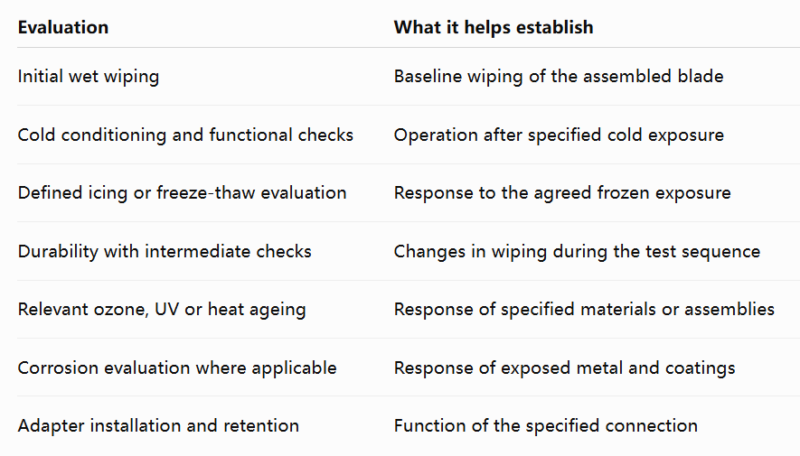
SAE J903 establishes performance and test guidance for windshield wiper systems within its scope. A supplier citing it should identify the edition, relevant procedure and result. A cycle count alone is not a winter temperature rating.
Confirm sample-to-production consistency
An approved sample is useful only when its specification is recorded.
Agree the model, rubber and coating, spring structure, adapter, cover or spoiler, packaging and acceptance requirements. Retain reference samples and define how proposed material or component changes will be communicated.
Repeat orders should identify the approved configuration. If substitutions become necessary, review their effect before approval. This creates a clearer basis for investigating differences between batches.
Compare the full quotation and seasonal delivery plan
Ask whether the price includes adapters, blade marking, individual retail packs, labels and outer cartons. Confirm pieces versus pairs, MOQ by model and size, mixed-size conditions and sample costs.
For seasonal stock, work backwards from the required warehouse arrival date. Include sample review, artwork approval, production, inspection, freight and customs.
Review total supplied cost alongside unit price. One quotation may include a retail box and several adapters, while another covers only the blade and a hook connection. Use the same product and packing requirements when comparing offers.
Seasonal stock carries two opposing risks: insufficient availability when demand arrives and excess inventory after winter ends. Review previous sales and regional conditions before setting quantities. Production completion and arrival at your warehouse are separate milestones.
Returns, handling and slow-moving stock also affect the programme’s economics. A clearly specified offer makes these trade-offs easier to assess.
6. How YOUNGLOOK Supports a Winter Wiper Programme
Product selection around your market
YOUNGLOOK is a windshield wiper blade manufacturer in Xiamen, China, supporting wholesale and private-label projects across beam, conventional, hybrid and rear constructions.
We can review your target market, vehicle requirements and price positioning to identify available configurations for sampling. The discussion can begin with an application list, existing product references or arm photographs.
Our winter wiper product provides a starting point for discussion. Confirm the selected model’s material, connection and validation requirements before approving a winter performance claim.
Samples, specifications and validation discussions
We can discuss available test information and project-specific evaluation needs alongside the proposed samples.
Confirm what the sample represents, which requirements have supporting evidence and whether further evaluation is needed. Where additional testing is required, agree the method, responsibilities and schedule before production approval.
Approved samples and written specifications provide a practical basis for reviewing production consistency. They should identify the rubber option, structure, connection and packaging that the order will use.
This gives both parties a clear approval reference and helps buyers explain the selected product to their own technical or purchasing teams.
Private-label packaging and order preparation
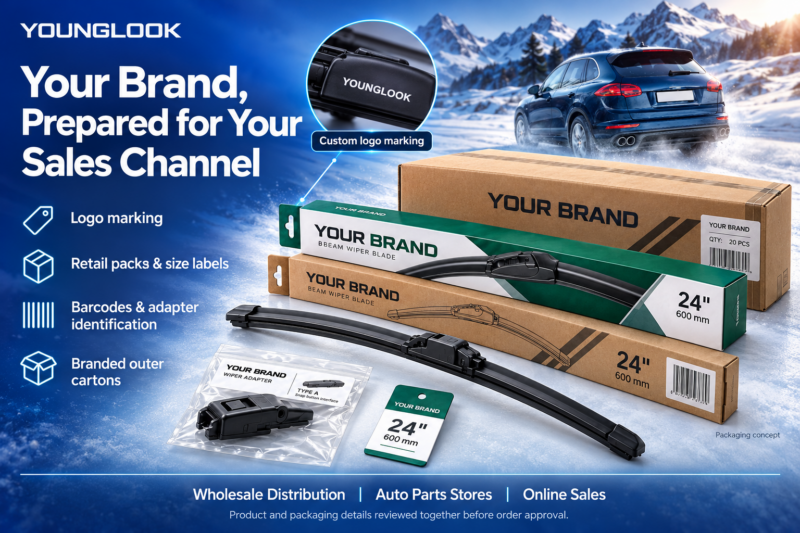
Through our OEM/ODM and private-label services, we can discuss logo marking, retail packaging, blade-size labels, barcodes, adapter identification and outer-carton requirements.
The format should suit the channel. Workshops need quick selection and fitting information; online sellers also need clear application descriptions and customer instructions.
Confirm product and packaging details together. Keep winter-use guidance, seasonal positioning and performance claims consistent with the selected configuration.
Conclusion
Choosing winter wiper blades means matching structure, materials and fitment to the conditions your customers encounter.
For wholesale buyers, that decision also includes sample approval, repeat-order consistency, clear packaging and seasonal availability. A protected structure can address ice-related restriction, but it still needs a suitable wiping element and correct connection.
Build the range around verified applications and evidence that matches the claims. That gives your dealers a clearer product to sell and your brand a stronger basis for support.
FAQ
Are winter wiper blades better than all-season blades?
They can be more suitable where repeated snow and ice restrict blade movement. In milder conditions, an appropriately specified all-season blade may be practical. Compare the actual construction, application and supporting evidence.
What are the best wiper blades for snow and ice?
Look for structural protection appropriate to the conditions, a wiping formulation evaluated for cold use and a verified connection. Protected frame and dedicated winter beam designs are both candidates; neither is universally best for every vehicle.
Is it okay to use winter wiper blades in summer?
It depends on the model. Follow the manufacturer’s seasonal or year-round guidance and check warm-weather suitability. Winter performance alone does not establish summer performance, and a winter label does not automatically rule it out.
Do wiper brands matter more than rubber materials?
Both need context. Brand support can help with identification and service, while formulation affects the wiping element. Evaluate the specific finished product, application data and repeat-supply arrangements rather than relying on either label alone.
Can YOUNGLOOK supply private-label winter wipers with mixed sizes?
Private-label packaging and proposed size mixes can be discussed during quotation. Available models, MOQ by size, adapters, validation needs and lead time must be confirmed for the actual programme.
Related Articles
- Conventional Wiper Blades Explained: Design, Classic Applications and Buying Guide
- Wiper Blade Rubber Grades Explained: A vs AA Natural Rubber, Coatings, Quality and Durability
- How to Care for Your Windshield Wipers
- When to Replace Your Wiper Blades
About the Author
Published by YOUNGLOOK, a windshield wiper blade manufacturer in Xiamen, China. Our articles help importers, distributors and private-label buyers understand wiper constructions, application requirements and practical sourcing decisions.
References
These sources support the technical background. Other manufacturers’ product descriptions do not establish equivalent performance for YOUNGLOOK products.
- NAPA Canada — Winter Wiper Blades: What Makes Them Different and Why You Need Them. Winter constructions, coatings and washer-fluid selection.
- NHTSA — Winter Weather Driving Tips. Winter visibility preparation and consideration of winter wipers.
- TRICO — Chill Winter Wiper Blades. Protective-boot construction example.
- TRICO — Ice Winter Wiper Blades. Protected winter beam construction example.
- TRICO — Which Wiper Blades Are Best for Me?. Selection according to conditions and intended use.
- TRICO — How Silicone Ceramic Premium Wiper Blades Handle the Hottest Summer Days. Example of model-specific cross-season positioning.
- General Motors — Bulletin 24-NA-164: Wiper Blade Maintenance Tips. Diagnosis of contamination, wear and poor wiping.
- OXIMO — Most Common Causes of Wiper Damage. Freezing, dry operation and maintenance.
- Champion — Wiper Problems Getting You Down?. Wiping symptoms and vehicle-system faults.
- SAE International — J903_202410: Ground Vehicle Windshield Wiper Systems. Published scope of the recommended practice; detailed procedures require access to the standard.
Request Winter Wiper Samples or a Private-Label Quote
Planning a winter range for distributors, workshops or your own brand?
Contact YOUNGLOOK today to discuss a wiper programme for your target market. Share any information you already have: vehicle applications, blade sizes, arm photos, product references, quantities or packaging ideas.
We can review the available options and confirm the next steps for sampling, specifications and quotation.
Contact YOUNGLOOK for Your Wiper Blade Program