
Two windshield wiper blades can look almost identical in a catalogue and carry very different prices. For a driver, the question is simple: will paying more make a noticeable difference? For a distributor, the question goes further: how do you explain that difference to customers without relying on vague claims about “premium quality”?
Premium wiper blades are worth the extra cost when their fit, wiping performance and ability to retain that performance are demonstrably better for the intended vehicle and conditions. A higher price alone proves nothing. The useful comparison is what the blade delivers when new, after use and across repeat production batches.
This guide explains the differences buyers should examine, the benefits drivers can actually experience, and how automotive aftermarket businesses can turn verified product quality into a credible sales proposition.
1. Cheap vs Premium Wiper Blades: What Are You Paying For?
Similar appearance does not mean identical construction
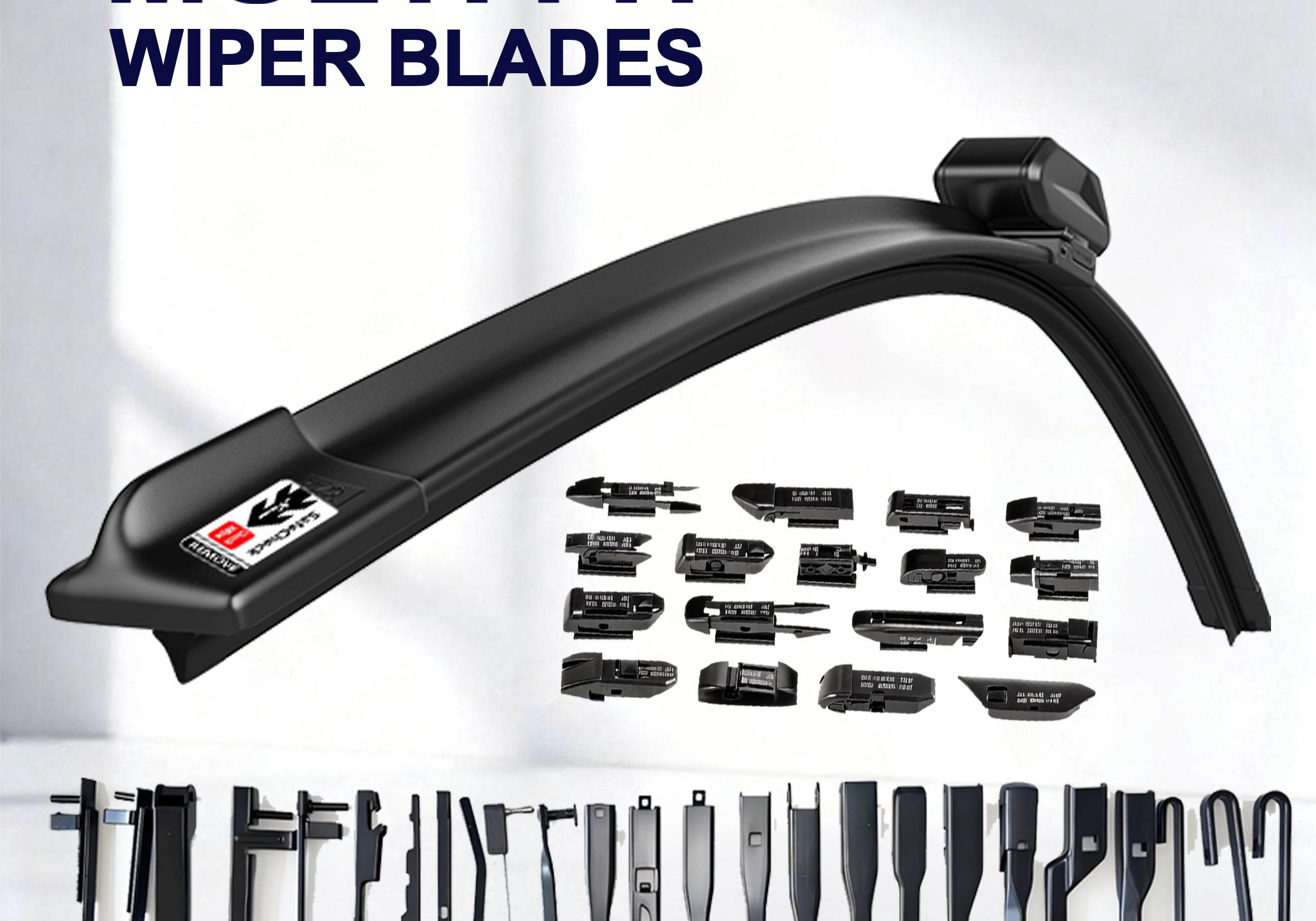
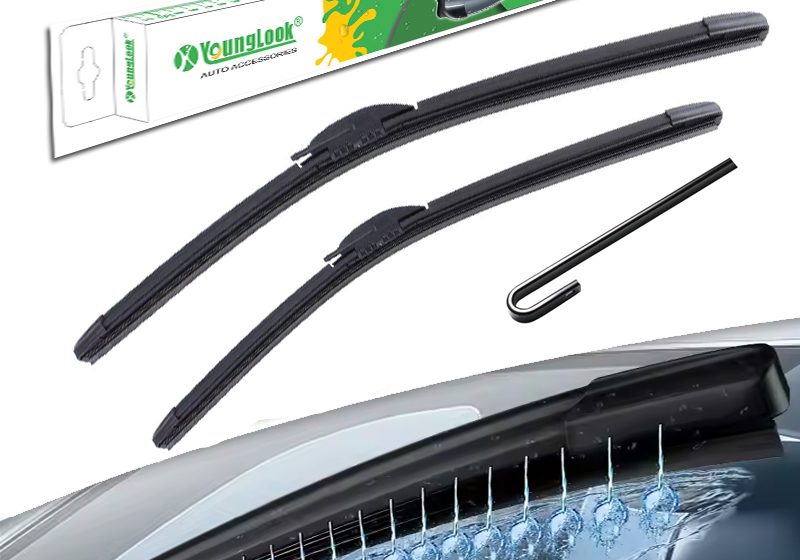
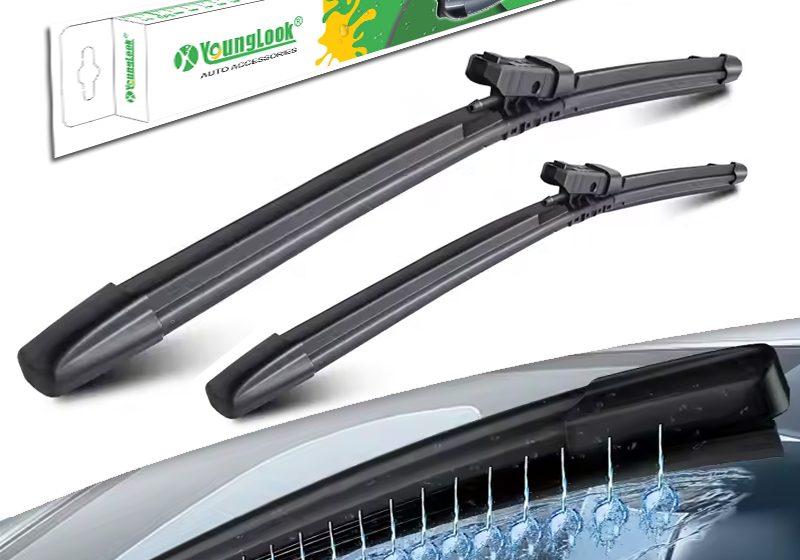
A black spoiler and curved profile reveal little about rubber formulation, wiping-edge accuracy, spring behaviour or adapter tolerances. These details can affect how the assembled blade meets the glass and responds as it changes direction.
“Cheap” and “poor quality” are not interchangeable. A straightforward conventional wiper can be a sensible purchase for its application. An expensive beam blade can disappoint if the connection or curvature is wrong. Compare equivalent sizes, intended vehicles and specifications before discussing price.
Compare performance, not the premium label
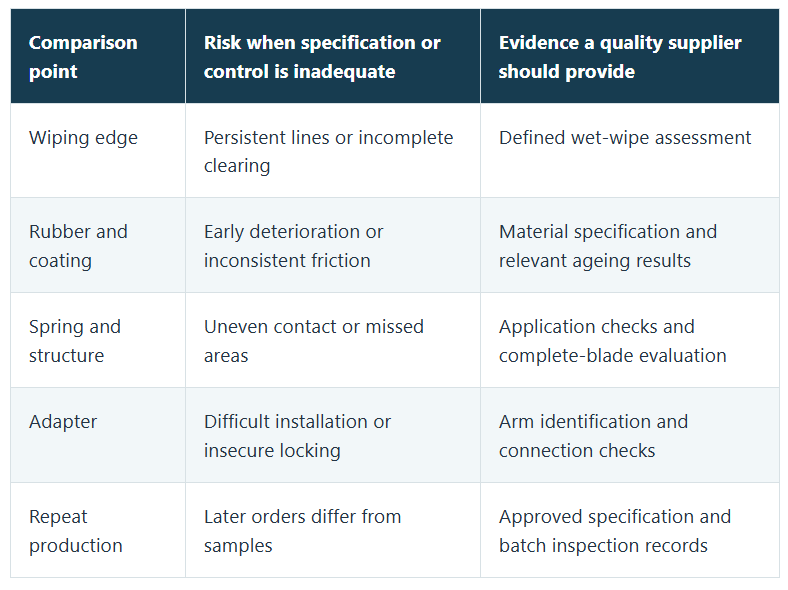
A useful specification describes what will be supplied and how it will be evaluated. “High-grade rubber” is incomplete without the formulation reference, finished-blade requirements and acceptance method. Likewise, “durability tested” needs test conditions and results.
Treat the following as comparison questions, rather than assumptions about every low-priced product.
Separate genuine quality investment from selling costs
Retail prices also reflect branding, distribution, packaging and retailer margins. Factory quotations can differ because of size mix, adapters, order quantity and packing requirements. Compare like-for-like configurations before concluding that the entire price gap comes from better materials.
Ask suppliers to separate blade, adapter and packaging costs where practical. This makes it easier to protect the components that support performance while adjusting features that add little value to your channel.
2. The Hidden Components Behind Wiper Blade Quality

Rubber formulation, wiping edges and surface treatment
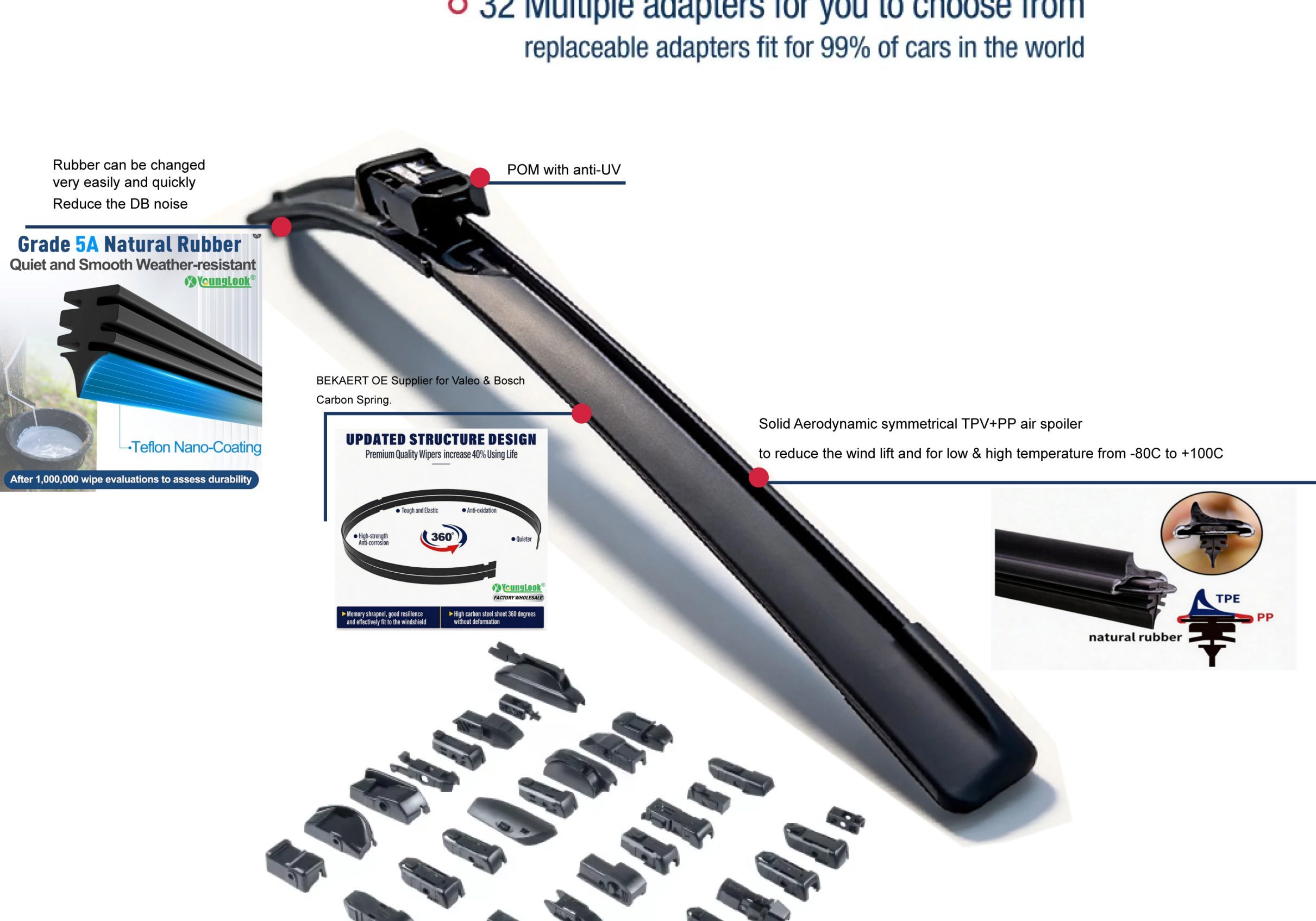
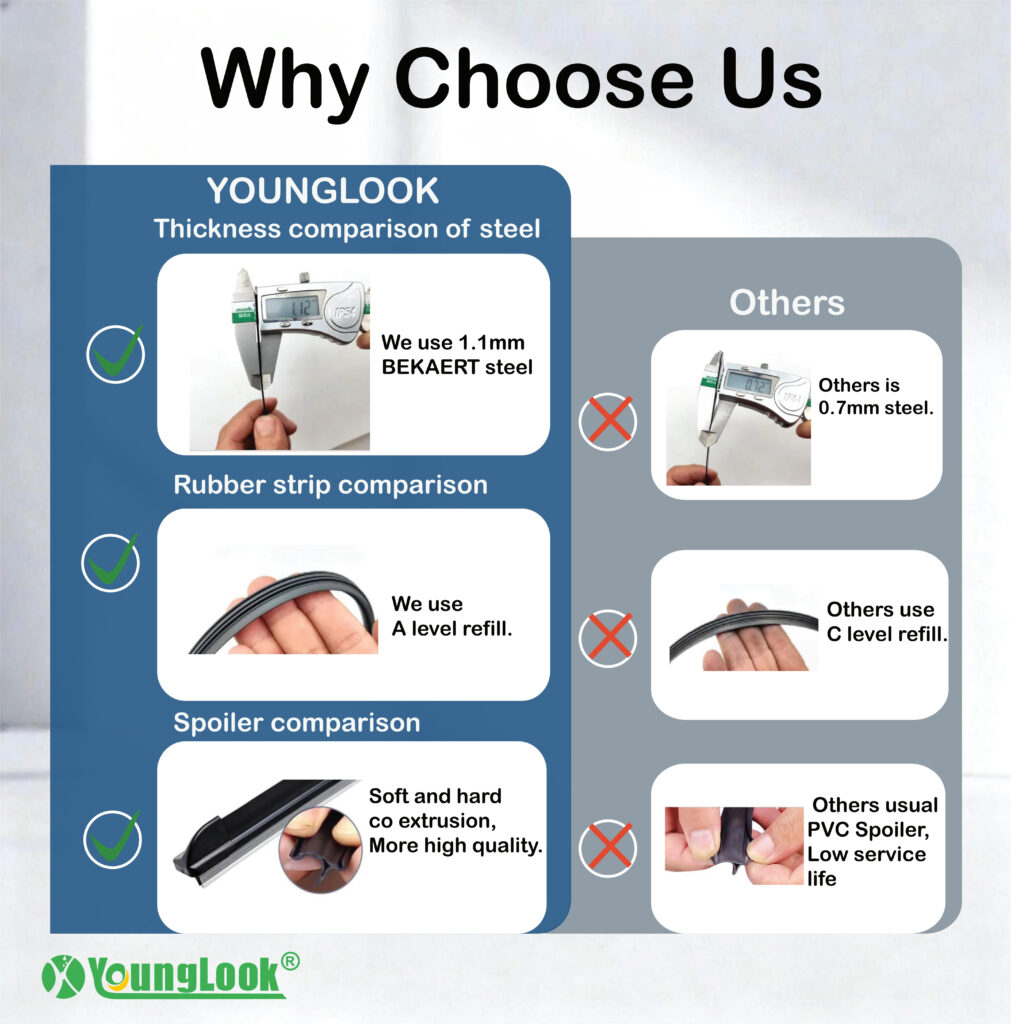
The rubber element contacts the windshield, so its formulation and edge condition deserve close attention. Natural rubber and silicone rubber are material options; neither label guarantees a good finished wiper. Compound design, processing, geometry and compatibility with the rest of the blade all matter.
Graphite or other low-friction treatments can support smooth movement, but coating names do not establish service life. Ask how the finished blade performs after conditioning and repeated wiping. Our guide to wiper blade rubber grades explains why commercial grade labels need supporting specifications.
ISO 1431-1 describes ozone-cracking tests for rubber under specified conditions [1]. ISO 188 covers accelerated ageing and heat-resistance testing [2]. These methods help evaluate materials; neither independently proves complete-blade performance or a fixed number of months on a vehicle.
Spring steel, pressure distribution and blade structure
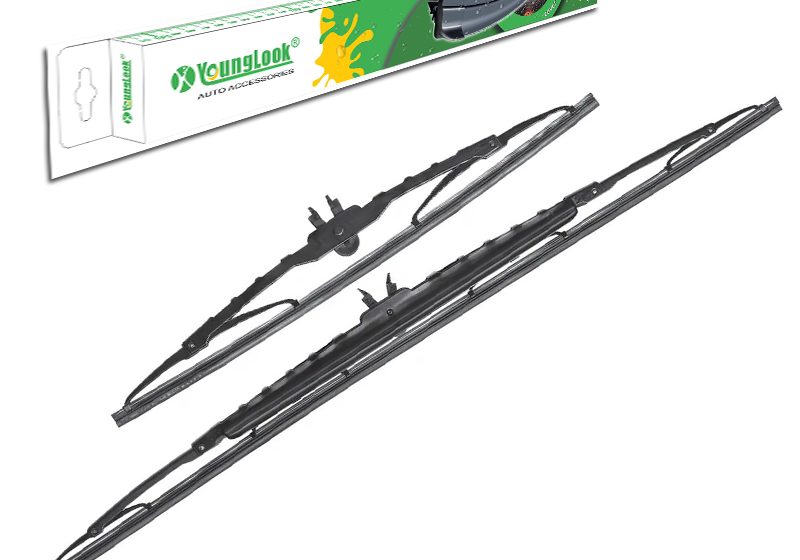
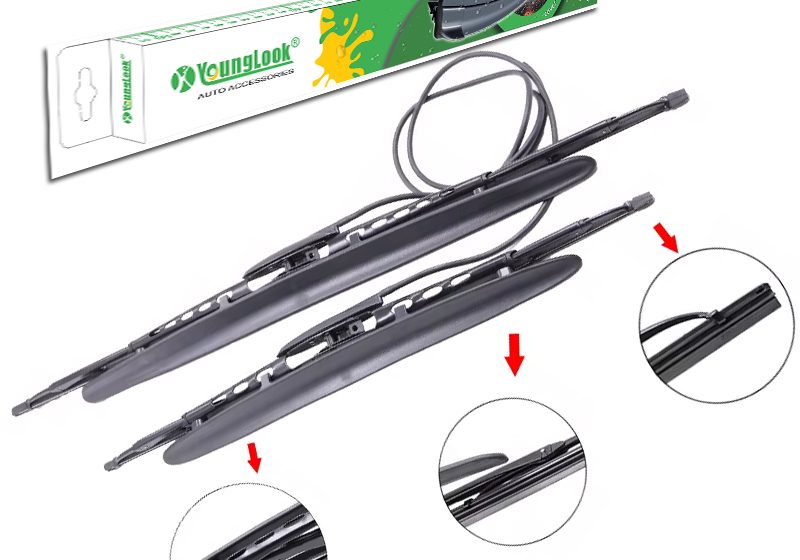
A beam wiper blade needs a suitable spring profile to distribute contact along the wiping element. A conventional metal wiper uses an articulated frame. Hybrid wiper blades combine a supporting structure with an outer cover. Each construction needs appropriate engineering for its application.
Bosch describes spring tension and pressure distribution in its ICON design [3], while TRICO highlights contact and spring features across its beam range [4]. These are examples of engineering priorities, not proof that every similar-looking product performs alike.
Explore flat and beam wiper blades or hybrid wiper blades according to vehicle needs. A steel grade alone cannot replace a practical fitment and wiping check.
When comparing specific products, review the supplied configuration of a multi-fit beam wiper blade and a universal windshield wiper blade. Confirm the quoted construction and connection rather than assuming that every option on a product page is included in the price.
Adapters, locking and vehicle compatibility
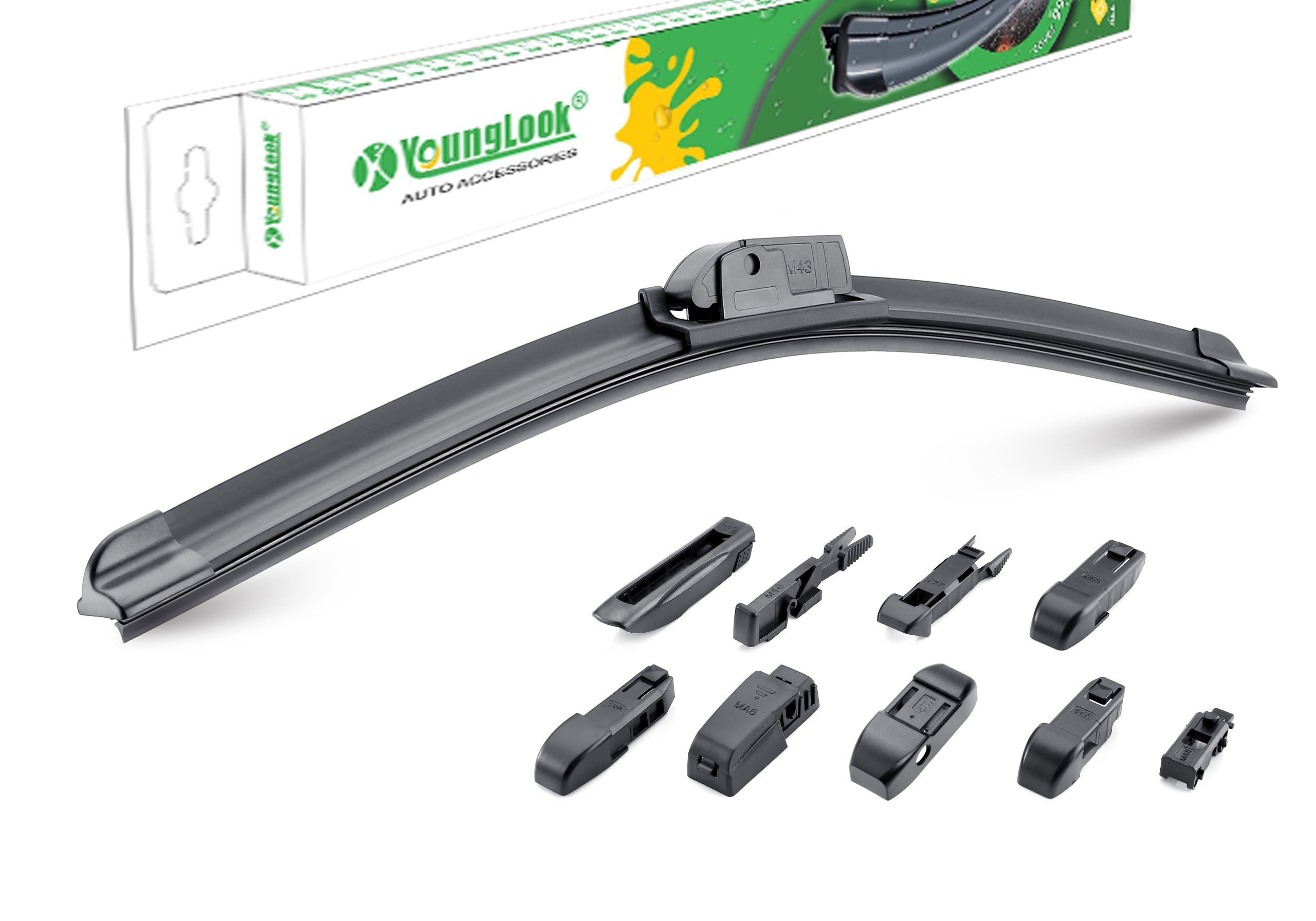
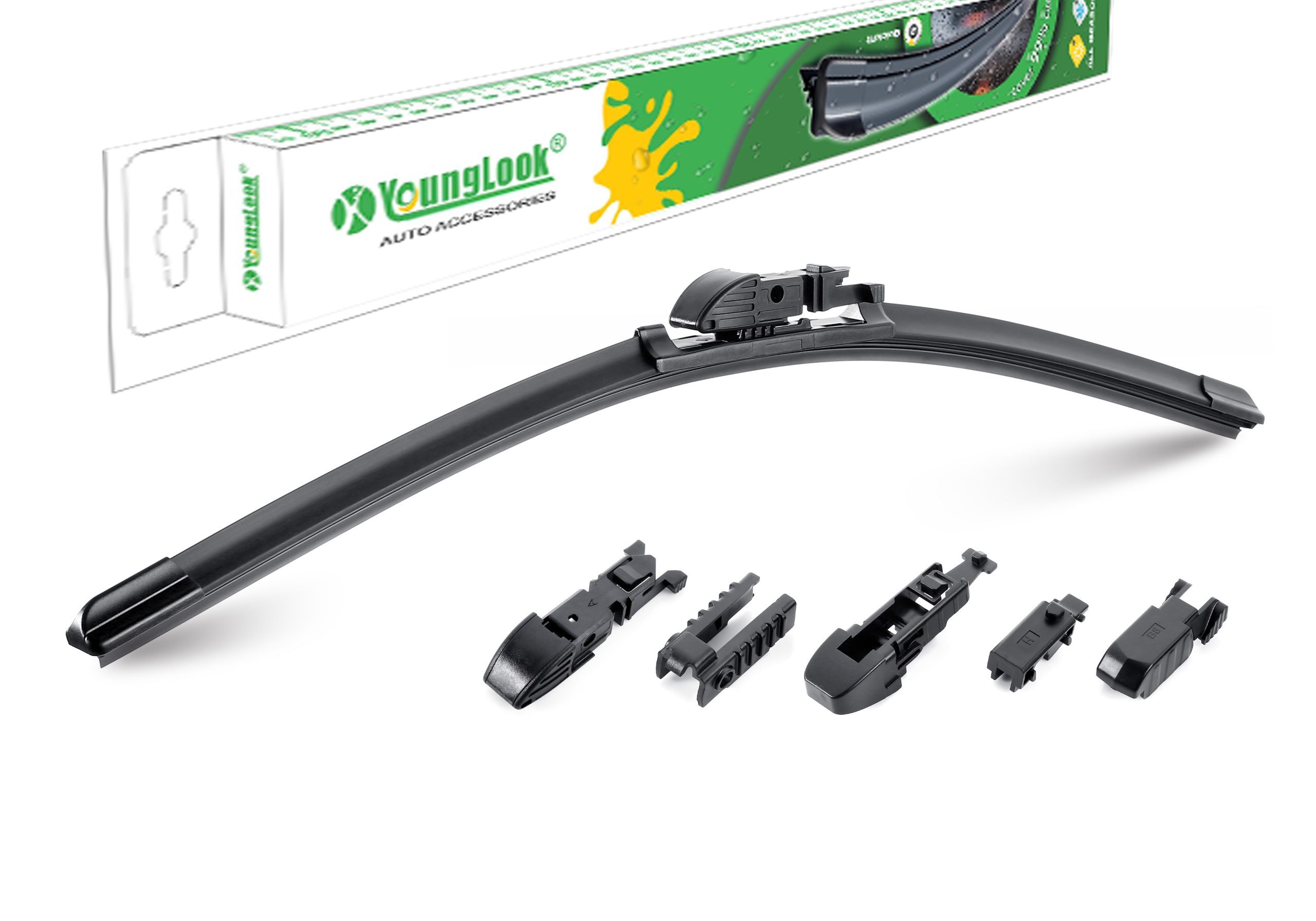
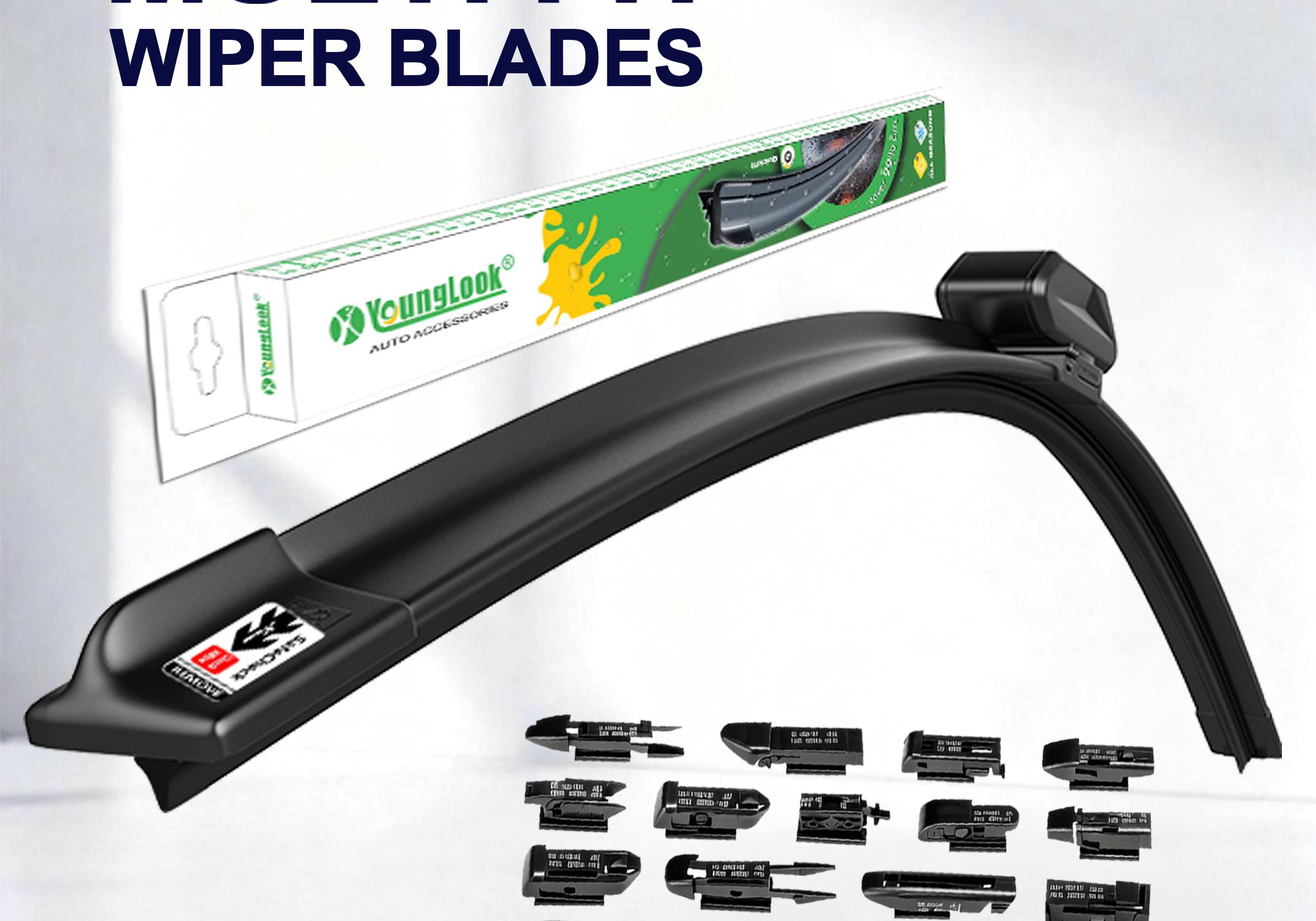
Length is only one part of fitment. Confirm the arm connection, adapter dimensions, locking arrangement and relevant vehicle variant. U-hook, push-button, side-pin, pinch-tab and bayonet connections require correct identification; visually similar connectors may differ.
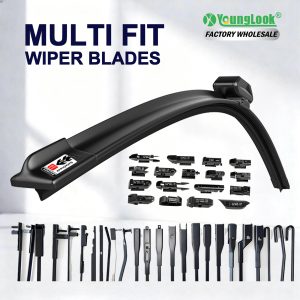
A multi-fit wiper blade programme can help organise a range, provided adapter references and application data are reliable. Rear wiper blades often require a different selection process, so check rear wiper applications separately.
TRICO’s professional-fit range illustrates how installation convenience is marketed alongside blade performance [5]. For a distributor, clear fitment information is part of product value because it helps staff select and install the intended replacement.
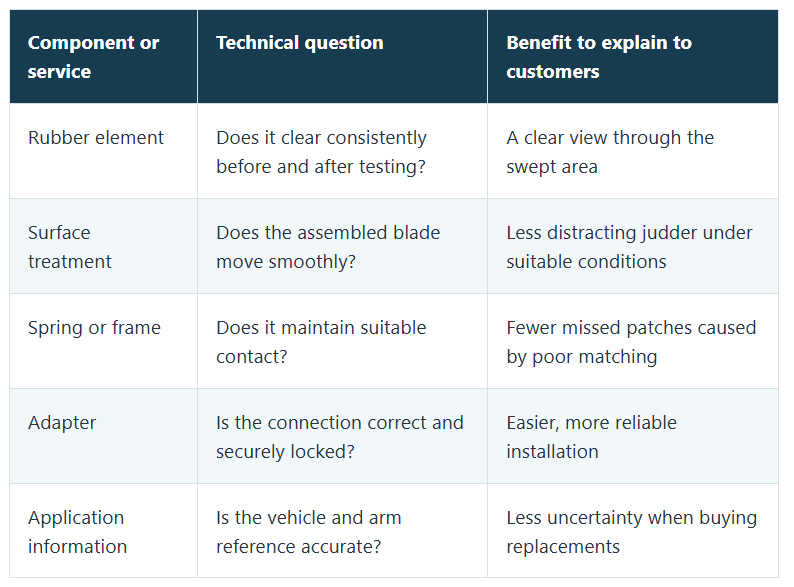
3. What Drivers Gain from Better Quality Windshield Wipers
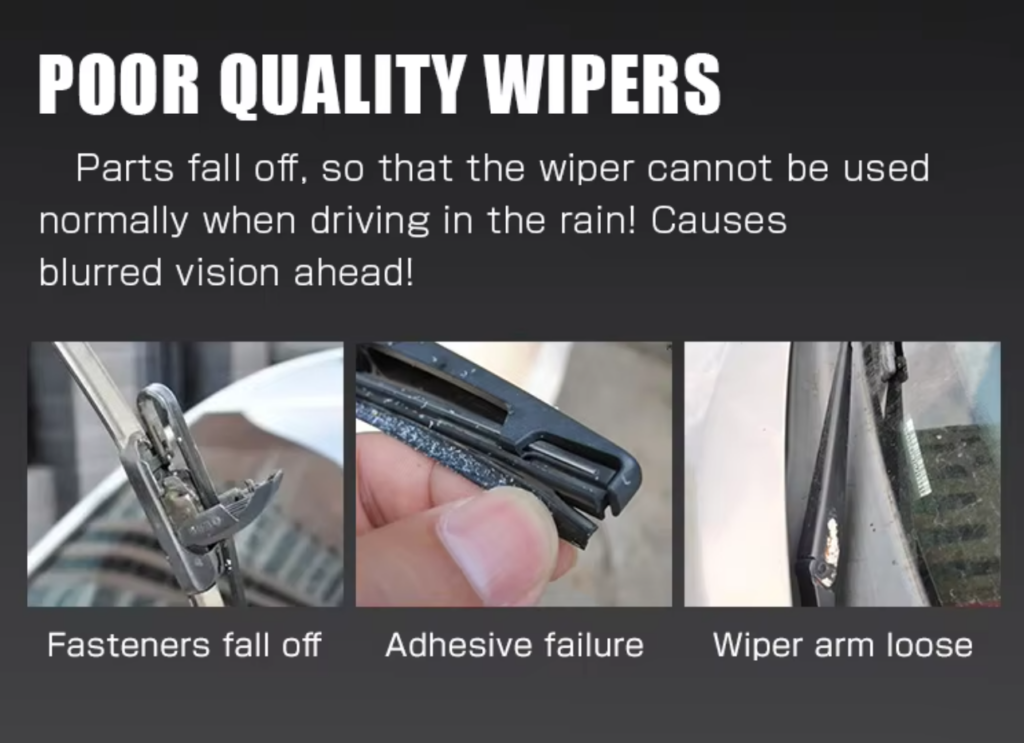
Clearer wiping where it matters
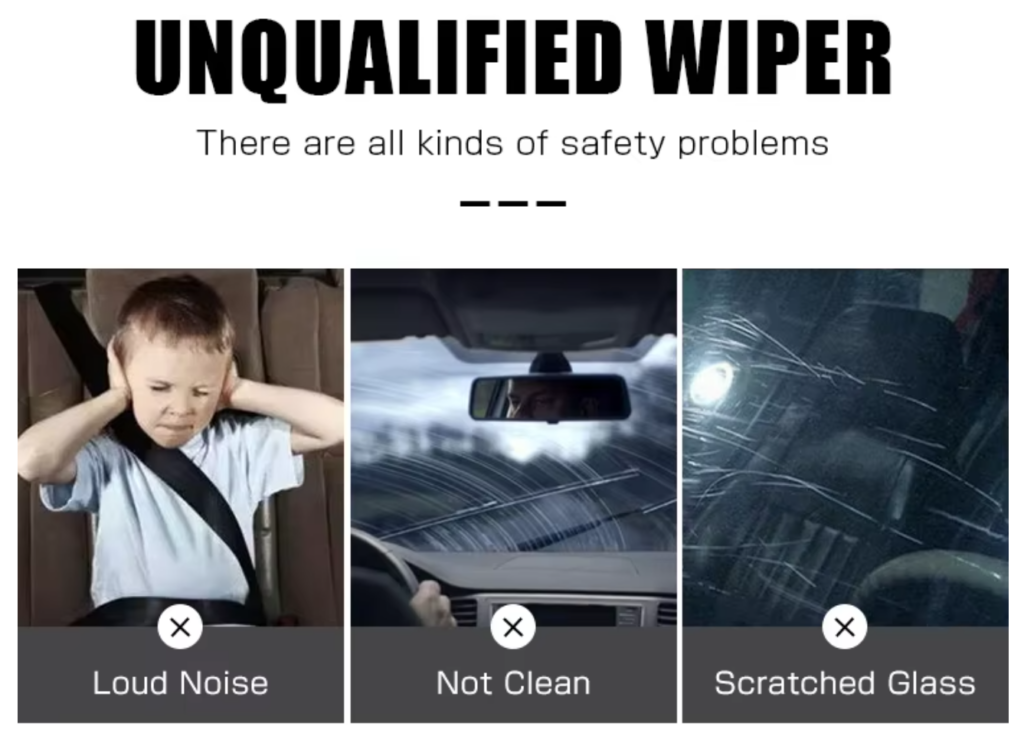
Drivers notice a line across their field of view before they notice a material specification. Begin with that practical problem. A well-matched, well-made blade should clear water effectively within its intended operating conditions.
Demonstrate this on a clean windshield using washer fluid and the correct installation. Show the actual swept area instead of a dramatic edited comparison. Good wiping supports visibility, but no blade guarantees safe driving in every weather condition. Rain intensity, vehicle speed, glass condition and the complete wiper system still matter.
Smoother operation with less distraction
Squeaking and chatter can make even a recently purchased replacement feel disappointing. Controlled rubber geometry and friction characteristics are relevant, but noise is a system issue rather than a rubber-only issue.
Rain-X identifies windshield contamination as a possible cause of streaking, skipping and noise [6]. Its broader maintenance FAQs also address wiping problems [7]. Cleaning and correct installation should therefore come before diagnosing a defective blade.
The credible customer message is “designed and evaluated for smooth wiping on the intended application”. Avoid “completely silent on every car”, which promises more than a supplier can reasonably verify.
Useful performance over time, with less inconvenience
The strongest durability proposition concerns retained performance. A blade that still clears acceptably after use offers a more meaningful benefit than one that simply remains physically intact.
Drivers may gain fewer premature replacement trips and a more satisfactory ownership experience if the product retains its performance. However, service life depends on exposure, maintenance and usage. Michelin’s maintenance guidance reinforces the importance of caring for both the blades and glass [8].
For cold regions, discuss snow and ice conditions separately. Our winter vs all-season wiper guide explains the selection questions. “Premium” does not make every blade suitable for every climate.
4. Why Quality Wiper Blades Matter to Distributors and Retailers
Fewer avoidable complaints and return-handling costs
A return costs more than the replacement blade. Staff may need to identify the vehicle, diagnose the complaint, arrange collection and send another product. Clear fitment information and stable product quality can help address avoidable causes of this work.
Separate wrong selection, installation issues, glass contamination and confirmed product defects in your return records. Otherwise, a single return-rate figure tells you little about the supplier’s contribution. Compare similar channels and applications when reviewing results.
A stronger reason to recommend your brand
A retailer needs a sentence that explains why a customer should move beyond the entry-level option. Verified differences in wiping, fitment and retained performance provide that reason.
This can support a quality-focused position and a healthier selling price, but higher margins are not automatic. Your landed cost, competitor offers and local willingness to pay still determine the commercial result. Give staff specific evidence and realistic claims so they can recommend the product confidently without inventing benefits.
Repeat orders that resemble the approved sample
For wholesale wiper blades, one impressive sample is only the beginning. The rubber specification, spring configuration, adapter reference and assembly requirements should remain controlled through production.
A private label wiper blade carries the distributor’s name. When repeat batches behave differently, customers may blame that brand rather than the factory. Agree written specifications, retain reference samples and establish change approval before volume orders. These steps give a wiper blade manufacturer and buyer a shared basis for investigating differences.
Ask for relevant inspection records rather than accepting broad assurances. A factory visit can also help clarify responsibilities; our article on wiper sourcing discussions and factory visits outlines that purchasing context.
5. How to Sell Premium Wiper Blades Without Overselling
Start with the customer’s current problem
Ask whether the existing wipers leave lines, miss patches, chatter or require frequent replacement. Then identify the vehicle, inspect the installation and check the glass. This keeps the recommendation relevant.
A short counter conversation might be: “This option is worth considering if you want clear, smooth wiping and a product selected for your vehicle. We can show you the fitment and demonstrate it after installation.” Follow with model-specific evidence when available.
For online sales, use the same sequence: customer problem, relevant benefit, evidence, then fitment guidance. Technical specifications belong beneath a clear explanation of what the buyer can expect.
Translate features into benefits and proof
“Quality rubber” is a starting point, not a complete sales argument. Explain the expected result and show the evidence supporting that exact product configuration.
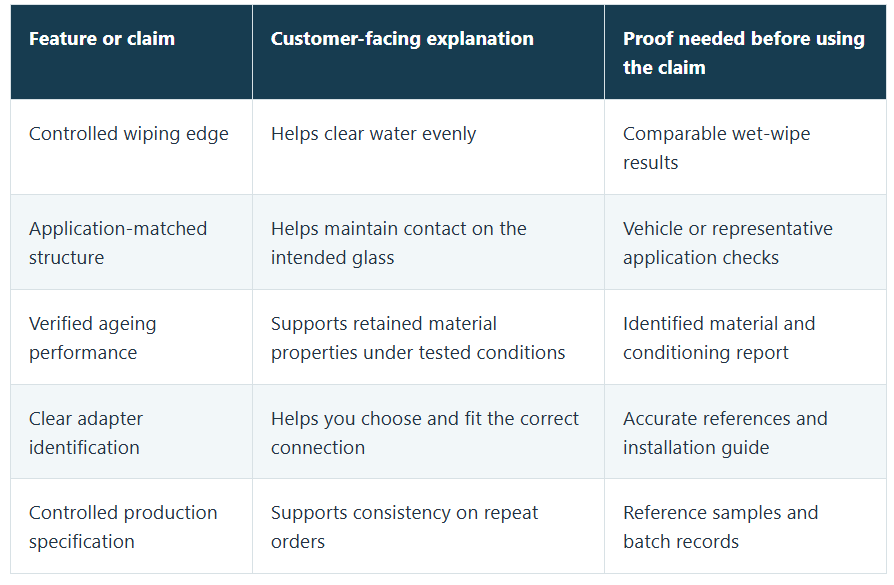
Never turn a supplier’s material result into a complete-blade lifespan promise. Similarly, another brand’s published performance claim cannot substantiate your own product.
Give sales teams a simple demonstration kit
Prepare a one-page benefit card, a fitment guide and a short installation video. Add a controlled comparison video only when the tested products, conditions and results are identified. Keep the language consistent across retail packaging, websites and staff training.
A useful demonstration compares equivalent sizes under the same windshield, arm and wetting conditions. Record initial performance and repeat the assessment after the agreed conditioning or durability procedure. Use multiple samples where practical so an isolated result does not carry the entire sales argument.
Protect credibility by showing unedited wiping sequences and explaining the limits. Generated illustrations can introduce the topic, but actual product evidence should come from documented tests and genuine photographs.
6. How to Compare Wiper Blade Suppliers Before Ordering
Use a sample evaluation checklist
Before requesting samples, agree the target vehicle or test fixture, size, adapter, material configuration and scoring method. SAE J903 provides a recognised framework for windshield wiper system performance and testing [9]; the applicable procedure must still be selected and documented.
For exposed metal parts, salt-spray methods such as ISO 9227 can inform corrosion evaluation [10]. Specify the exposure and acceptance requirements separately. Hours in a cabinet do not directly establish years of road service.
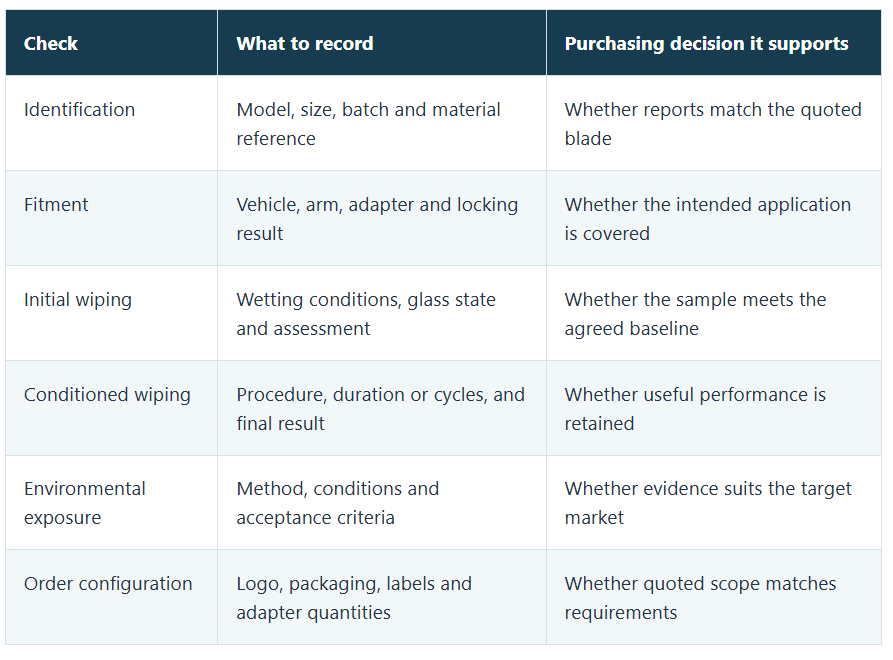
Compare total cost with transparent assumptions
Calculate landed cost alongside the costs of handling confirmed product problems. A higher purchasing price can be justified when it produces sufficient measurable value elsewhere; it cannot be justified by hypothetical savings presented as facts.
For illustration only, suppose one blade costs USD 0.30 more. Across 1,000 blades, the extra purchasing cost is USD 300. If each avoidable complaint costs USD 10 to resolve, 30 fewer complaints would offset that difference. This is a break-even example, not a forecast of return reduction.
Use your own figures for freight, handling, replacement and customer service. Then compare actual pilot-order results. Include gross margin and stock turnover in the review so a technically attractive product also makes commercial sense.
Confirm the private label and supply plan
Before placing a bulk order, confirm MOQ by model or size, mixed-size options, adapter quantities, sample terms and production lead time. Ask which packaging changes affect cost or timing. A branded retail box should identify the product clearly and protect the wiping element during handling.
For OEM/ODM and private label development, distinguish contract manufacturing from claims of original-equipment supply. Agree logo placement, barcodes, installation information and outer-carton markings alongside the product specification.
At YOUNGLOOK, buyers can discuss blade construction, material options, fitment and packaging together. Start with a focused sample programme and confirm project-specific requirements before expanding the range. This gives both sides practical evidence for the next purchasing decision.
For an initial range, prioritise applications your customers already request. A smaller, accurately documented selection is easier to train staff on and monitor than a large catalogue with uncertain fitment. Keep the approved sample, specification and packaging artwork linked to the same product reference. If a component changes, agree whether revalidation is needed before the next shipment. This makes quality management part of everyday purchasing rather than a separate promise in a sales presentation.
Conclusion
Pay for a difference you can verify
Good quality wiper blades earn their price through clear wiping, suitable fitment and retained performance supported by evidence. The value for drivers is a better everyday experience. The opportunity for distributors is a product they can explain, support and reorder with greater confidence.
Choose the configuration that suits your vehicles and market, test it fairly, and use the findings to build your sales message. A credible premium range begins with a demonstrated benefit and continues with consistent supply.
FAQ
Are expensive wiper blades always better than cheap ones?
No. Price includes branding, packaging and channel costs as well as product specification. Compare the intended application, initial wiping, performance after testing and production consistency. A correctly matched affordable blade can be better suited than an expensive incompatible one.
What makes premium windshield wiper blades worth the extra money?
A demonstrable improvement in useful performance, installation or ownership experience. Drivers should understand the benefit they are buying. Distributors should also examine evidence, fitment support and repeat-order consistency before accepting a premium quotation.
Are silicone wiper blades better than natural rubber?
Neither material name determines the result alone. Formulation, surface treatment, wiping-edge geometry and the complete assembly matter. Select a specification for the target conditions and compare finished-blade performance rather than assuming one material always wins.
Are beam wiper blades better than conventional wipers?
Beam, conventional and hybrid designs serve different applications. Compare the correct replacement for the vehicle and arm connection. A quality conventional blade remains a valid choice where its construction and fitment meet the requirement.
How can retailers explain premium wiper blade prices?
Start with clear wiping, smooth operation and retained performance, then show product-specific evidence. Demonstrate the installed blade where possible. Avoid unsupported claims about guaranteed silence, doubled lifespan or universal vehicle coverage.
How long should good quality wiper blades last?
There is no universal lifespan. Climate, contamination, mileage, maintenance and use affect deterioration. Inspect regularly, follow vehicle and product guidance, and replace blades when cleaning or correcting installation does not resolve unacceptable performance or visible damage.
What should wholesale buyers request before a private label order?
Request identified samples, a written specification, application references, relevant test results and packaging details. Confirm MOQ, size mix, adapter costs, lead time and problem-reporting procedures. Use an initial order to check commercial and technical suitability before scaling.
Related Articles
- Wiper Blade Rubber Grades: A vs AA Natural Rubber, Coatings and Durability
- Conventional Wiper Blades: Design, Classic Applications and Buying Guide
- Winter vs All-Season Wiper Blades: Choosing for Snow and Ice
- From Canton Fair Discussions to Wiper Blade Factory Visits
About the Author
Prepared by YOUNGLOOK, Xiamen Younglook Tech Co., Ltd., a wiper blade manufacturer supporting wholesale and private label projects. This guide helps aftermarket buyers connect product specifications, validation and customer-facing benefits. Refer to the agreed specification and test records for individual product claims.
References
- ISO — ISO 1431-1:2024: Resistance to ozone cracking. Scope of rubber ozone testing.
- ISO — ISO 188:2023: Accelerated ageing and heat resistance tests. Material ageing evaluation.
- Bosch Auto Parts — ICON Wiper Blades. Manufacturer description of spring tension and pressure distribution.
- TRICO — Beam Wiper Blades. Manufacturer descriptions of beam construction and contact features.
- TRICO — Pro Professional Fit Wiper Blades. Installation convenience and fitment support.
- Rain-X Support — Expert Fit Conventional Blade Streaks/Smears. Contamination and wiping complaints.
- Rain-X — Frequently Asked Questions. Wiper care and troubleshooting context.
- Michelin — How Do You Maintain Your Windscreen Wipers?. Maintenance and inspection guidance.
- SAE International — J903_202410: Ground Vehicle Windshield Wiper Systems. System performance and test framework.
- ISO — ISO 9227:2022: Salt Spray Tests. Corrosion test methods and scope.
These references explain evaluation principles and manufacturer practices. They do not certify YOUNGLOOK products or establish comparative results for a particular model.
Request Wiper Blade Samples or a B2B Quote
Build a range your sales team can explain confidently
Tell YOUNGLOOK your target market, vehicle applications, preferred blade type and estimated quantity. Share any sizes, adapter references, material preferences, logo or packaging requirements you already have; a complete specification is not necessary to start the discussion.
Contact YOUNGLOOK for Your Wiper Blade Program

We can discuss suitable options and the sample evaluation needed for your programme. Request samples or a project quotation to compare the product, fitment and supplied configuration before committing to volume purchasing